
If I had to create a 10 Days in South Korea Itinerary for a friend excited to travel to South Korea, this is how I’d do it to experience the most culture, history, and scenery possible.
I spent a full two months traveling in South Korea, but I know not everyone has that long, even though it would be amazing.
So I put together a realistic and easy-to-follow 10-day itinerary for South Korea just for you, covering 4 of Korea’s must-visit cities.
In this article, we’ll start off with some general travel tips for Korea, and then go into the best way to spend 10 days in South Korea, stop by stop.

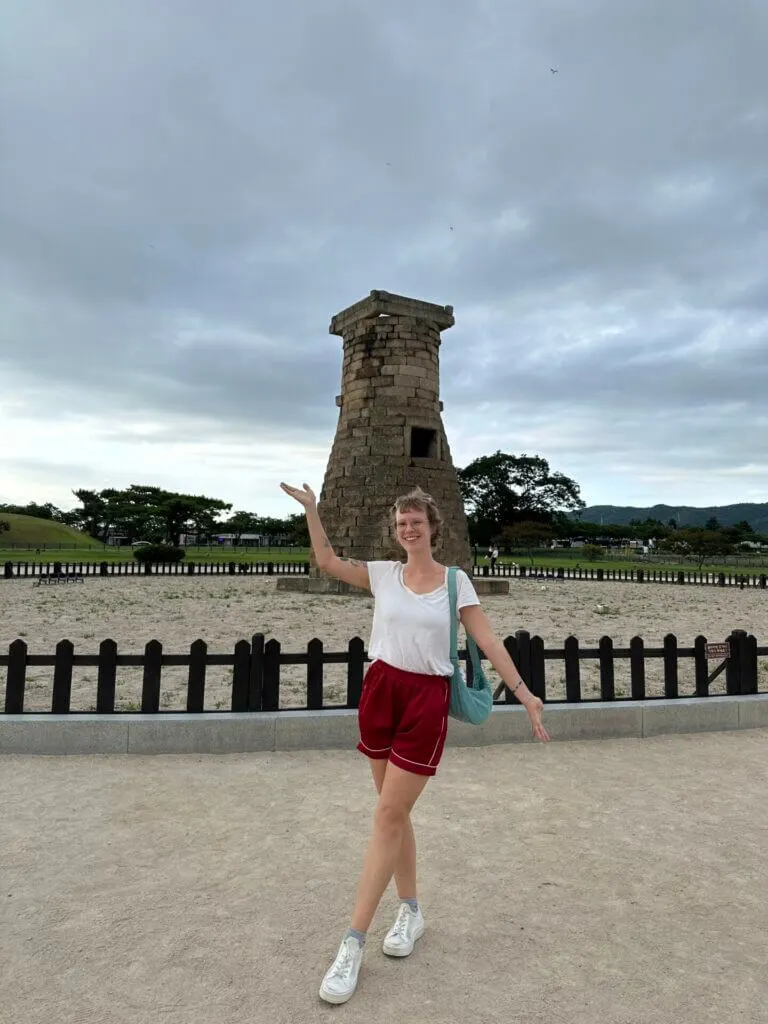


10 Days in South Korea Itinerary at a Glance
Before I dive into my full 10 days in Korea itinerary, here’s an overview of what to expect for each destination:
- Days 1–3: Seoul — palaces, markets, DMZ, neighborhoods
- Day 4: Jeonju — food capital, Hanok village, mural art
- Days 5–7: Gyeongju — temples, historical sites, tombs
- Days 8–10: Busan — beaches, coastal trails, village, spas
General Korea Travel Tips Before You Go
Here are some handy tips to know before we begin the 10-day itinerary for South Korea, including tips about Wi-Fi, getting around, booking train and bus tickets, and more.
The Korean Arrival Card and K-ETA (Korean Electronic Travel Authorization)
Korea has both the Korean Arrival Card and an electronic travel authorization (ETA) system, but what’s the difference?
The Korea e-Arrival Card is meant for ALL TRAVELERS to fill out within 3 days before arriving in South Korea.
As for the K-ETA, it is a travel authorization valid for 3 years (available to visa-free countries) which permits travel to South Korea. Check your country and visa-free status first before applying, as this program is rolling out from 2026 into the future.
How to Stay Connected in South Korea (Data vs Public Wifi)
South Korea is known for having free public Wifi everywhere; with that said, for a 10-day trip in Korea, let’s be real about the best way to stay connected.
Public Wifi in South Korea
South Korea offers free public Wifi almost everywhere: buses, trains, metro stations, and of course, cafes.
That said, there are dead zones, and in my experience, I don’t like being on public Wi-Fi unless I have a VPN.
Using the free public Wifi in South Korea is ideal for saving on your data plan, especially if you’re on a budget. But trust me, buying at least a bit of data is a good idea.
eSIMs and Airport SIM Cards
With that said, I recommend getting a data package at the airport or getting an eSIM.
For a 10-day trip, it will cost approximately $30 USD for unlimited data with LG. The LG SIM card lets you add minutes and have a phone number. You can also order it online ahead of time for pick-up at a variety of South Korea airports, including Incheon, Gimpo, and Gimhae.
For eSIMs, it can be a mixed bag as some brands only offer unlimited data packages which cost about the same as physical sim cards.
Personally, I would pick a Korea eSIM from Klook as you can select how much data you need by the day, getting you a much cheaper rate.
Using Map Apps (Google Doesn’t Work)
You may have heard before that Google Maps doesn’t work in Korea.
I disagree because sometimes Google Maps can be useful — but, overall, you can’t rely on it. You can use it for restaurant reviews and saving places to visit, but don’t use it for directions.
There are two apps most people use to get around in South Korea: Naver and Kakao Maps. I personally used Naver the whole time.
I suggest you check out other blog articles on these apps to get more in-depth information on how to use them.
With all that said, you’ll need to use a local app to get around and plan your routes!
Getting Around in this 10 Days in South Korea Itinerary
In this 10-day South Korea itinerary, you’ll need to switch between taking local transit as well as nationwide trains and buses.
Get a T-Money Card for Local Buses and Metros
South Korea’s T-Money card is useful for paying for all sorts of things:
- Taxis
- Using local public transit (buses & metros)
- Convenience stores (CU, GS25, & 7-11)
- Intercity buses (I prefer to book these separately though!)
Be sure to grab a T-money card, which will help you get around the cities in this 10-day South Korea itinerary.
You can either buy a physical T-money card or download a digital one, although some tourists run into issues using it digitally. With this, I often prefer a physical card.
How to Book Train Tickets in South Korea
To get from Seoul to places like Jeonju, you’ll need to book train tickets.
Although I’ve heard of people having difficulty purchasing train tickets through Korea’s Korail, my credit card worked fine every time — perhaps because it’s a US card? Regardless, don’t give up until you try it!
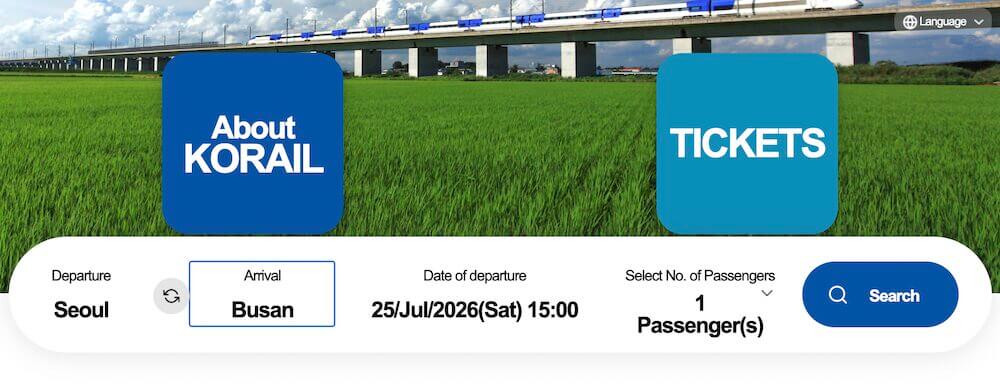
To book your tickets through the official Korail site, select the dates, stations, and which train you’d like to take, and pay with your credit card at the end. The website accepts Visa, Mastercard, and American Express.
There are instances when people have issues paying even with the right cards. If this happens, you could also easily book your South Korea train tickets through Klook.
If the website doesn’t accept your card, you can always go to the train station in person a few days ahead, or show up on the day you’re leaving (but be sure to check the train times before you arrive if you do this!)
There’s also a Korail train pass which is available for multiple days of travel. For this 10-day South Korea itinerary, it doesn’t make sense to include it, but depending on how you adapt your itinerary when traveling there, it might be an option. Plus, you don’t have to book multiple tickets!
How to Book Bus Tickets in South Korea


Bustago and KOBUS are popular ways to buy bus tickets in South Korea, but often international credit cards don’t work.
If this site doesn’t work, the next best option would be to book your South Korea bus tickets on Klook, which has tickets for intercity bus routes.
If you can’t find your bus route on Klook, you can also buy the ticket at the station or if you have a local friend, they can pay for your ticket on Bustago with a local card.
When I was in South Korea, I had a friend here who paid for my ticket online, and I gave her cash back.
Solo Travel Can Be Tough
The reason I share this is that going out to eat with a group is ideal. Korean restaurants often serve large portions, and people share plates, so if you go alone, you might get stuck with a massive dish or get turned away altogether.
As for hostels and making friends, I’ve heard the hotels in South Korea are not the most social. If you are traveling solo, I would suggest a hostel known to be social so you can be confident you’ll make friends and be able to indulge in all the food in South Korea!
10 Days in South Korea Itinerary [Seoul, Jeonju, Gyeongju, Busan]
Days 1-3: Seoul, South Korea’s Capital
Starting off our 10 day South Korea itinerary, let’s delve into Seoul!
Best Areas to Stay in Seoul
The highlighted area includes the best area to stay in Seoul to be close to the attractions mentioned in this article. Make sure your hotel is near a metro station, and your travels in Seoul will be easiest! Here are my recommendations
Budget: Mangrove Dongdaemun has amazing cozy single rooms!
Mid-Range: Moxy Seoul Insadong: super cute, edgy, boutique, and bright with an amazing rooftop
Splurge: L’Escape Hotel – Elegant and Gorgeous!
Day 1: Historical Seoul Attractions
Gyeongbokgung Palace

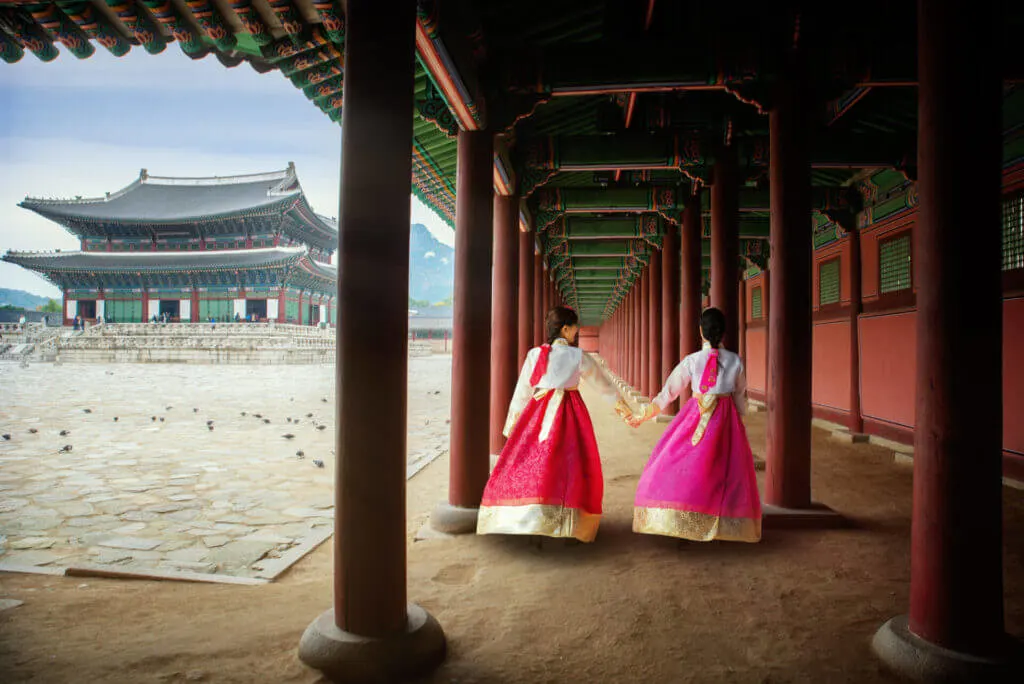
Originally built over 600 years ago and restored as a cultural property, Gyeongbokgung Palace is one of the top places to visit in Seoul and a great place to start off your South Korea 10-day travel itinerary.
Get here early to beat the crowds and the heat if you came during the summer. Stroll the palace to admire the impressive architecture, lovely manicured grounds, and of course, take some photos!
A popular thing to complement your experience at Gyeongbokgung Palace is to rent a Hanbok, a traditional Korean dress. There are lots of rental places near the palace where you can rent by the hour or day.
Bukchon Hanok Village
![I'd live in this historic village if I could... [Bukchon Hanok Village, Seoul Tour]](https://i.ytimg.com/vi/GWBzaUVv084/hqdefault.jpg)
After visiting the palace, you can walk over or take a bus to the nearby Bukchon Hanok Village. This is the oldest neighborhood in Seoul, and it’s full of traditional homes. Today, it’s still a residential neighborhood, so please be quiet and respectful as you wander the streets.
You’ll undoubtedly come across the famous lookout street as there are many people taking photos here. This little street is lined with traditional homes, and the distant skyline is a treat to see. It’s one of the best places in Seoul to take a memorable photo.
Note: If you arrive in Korea on Day 1, you can also fit Gyeongbokgung Palace and Bukchon Hanok Village into Day 2 after Gwangjang Market.
Eat at Ikseondong or Insadong
At this point, we’re sure you’re hungry for lunch or maybe even dinner if you had a late start to the day. Well, we’ve got the perfect places for you: Insadong and Ikseondong. I mention both of these because they’re in the same area and offer lots of food and shopping.
You can easily spend a couple of hours here between meals, browsing the shops and cafes, and enjoying the overall quaint ambiance.
Stop into a cafe for a bougie meal and tea, or post up along the side of an alley restaurant for some Korean BBQ. There are loads of options to choose from!
Indulge in Some Sports
Did you know that Seoul is a major center for sports? It’s definitely the center for sports in Korea, with many sports teams based here, such as soccer (K League + FC Seoul), baseball, basketball, and volleyball.
Many people like to visit a basketball or baseball game in Seoul to get a feel for the sporting culture in Korea’s capital, or even get amongst some sports betting while you’re at it. You can sign up for a tour to experience the infectious energy at the Jamsil sports complex – Baseball season is from April to November, and basketball is from December to March.
Get into the City Feels at Itaewon or Hongdae

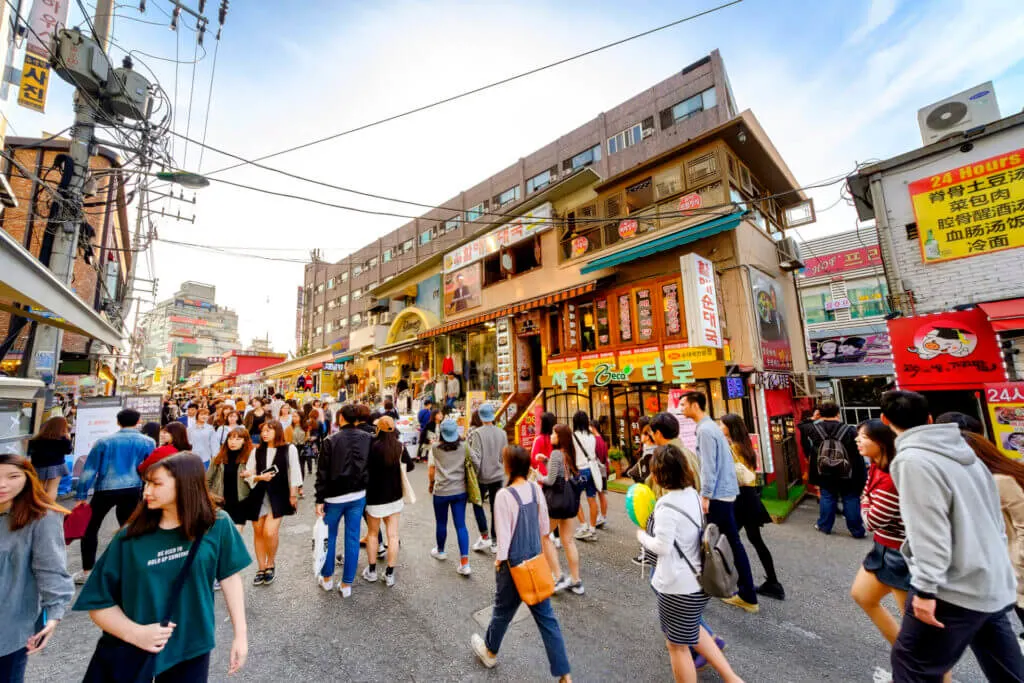
For the evening, get to know the action in Seoul and spend some time at either Itaewon or Hongdae, which are both lively neighborhoods in the evening. Both neighborhoods have different vibes but are interesting to see nonetheless.
Itaewon attracts a slightly older crowd (like, 30+), and has lots of Western food options, bars, unique shops, and clubs.
Hongdae, on the other hand, has a younger crowd, lots of food, cute shops, clubs, K-pop street performances, and bars.
I personally would recommend Hongdae if you want a walking street where you can grab snacks along the way and browse the shops loaded with cute items. Itaewon is where you’d probably find me grabbing a drink or going out to dance.
Day 2 in Seoul
Grab a Coffee/Tea & Eat a Light Breakfast
South Korea has no shortage of cafes! It’s probably one of the best parts of this country because the cafes are cute and creative. While there are chains you can go to, you’ll find plenty of unique shops as well.
So, do as every tourist should do in South Korea, and start your morning by looking up cafes, or simply by walking around your neighborhood, and pop into one! Start with this guide of cute and themed cafes in Seoul – it’s a good one.
Since we’re going to start off our second day with a big lunch, keep breakfast light (or if you’re like me, skip breakfast).
Gwangjang Market for Lunch

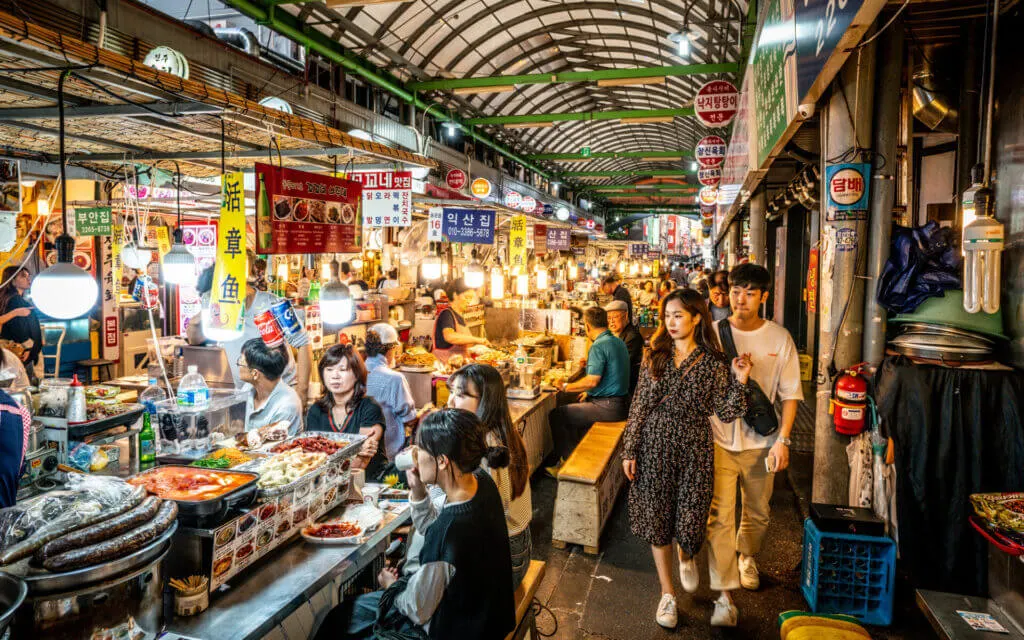
I hope you’re hungry because the Gwangjang Market is a foodie haven where both locals and travelers indulge in Korean food. The market itself is quite large, with a clothes shopping area as well, but you’ll want to go where the food is.
It’s easy to spot the market because it won’t only be crowded with people, but the international flags hanging overhead are a dead giveaway that you’ve made it.
In the market, there are lots of small food stalls where you can take a seat and eat. Browse the market, see what interests you, and give it a try!
Plus, there are famous donuts at the front entrance (the line is always long!). The original donut itself is great, but for my adventurous foodies, try the black ball donut ball (I don’t know how to describe it or call it, but it’s AMAZING). It’s like a sticky rice ball with red bean inside.
Catch some Views at Seoul Tower or Yongmasan Skywalk

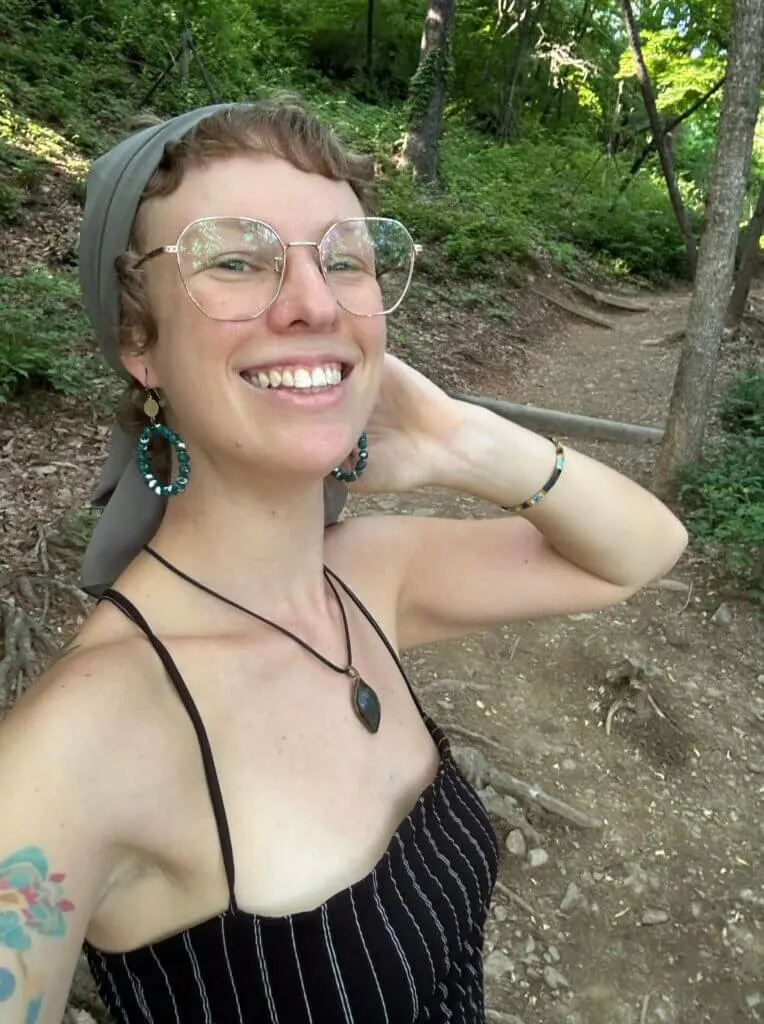

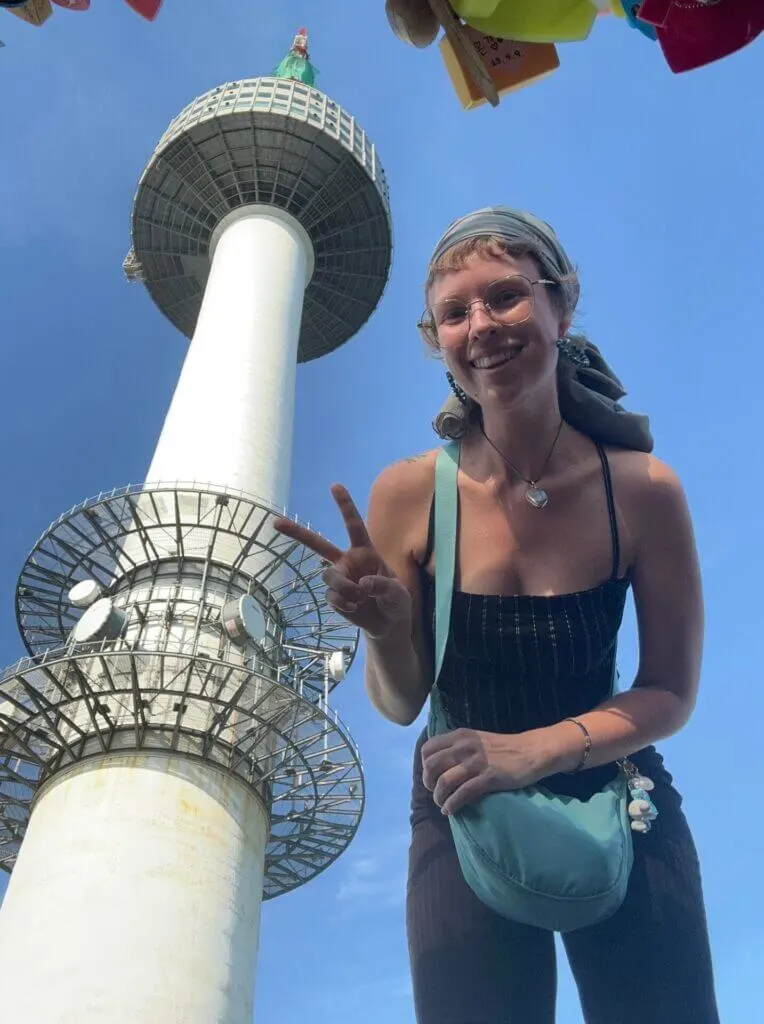
After chowing down at Gwangjang Market, getting in some epic views of Seoul are necessary. I proise either Seoul Tower (closer) or Yangmasan Skywalk (further out).
If you’re going to head on over to Seoul Tower, there are a few options to get to the tower, including a bus, stairs, and a hike.
If you want to get in a bit of nature, then I suggest hiking to the tower. I did this and loved it! There are a few trails, and I can’t remember exactly where I entered, but you can start here and find your way up.
To walk the stairs/paved area to the tower, start here. Lastly, there’s a bus that goes directly there! This option requires minimal stairs.
If you prefer the more nature-immersed Yangmasan Skywalk, take metro Line 7 to Sagajeong. It’s an easy walk to the observatory from there. The views balance the vast city skyline with mountain landscapes.
Myeongdong Night Market

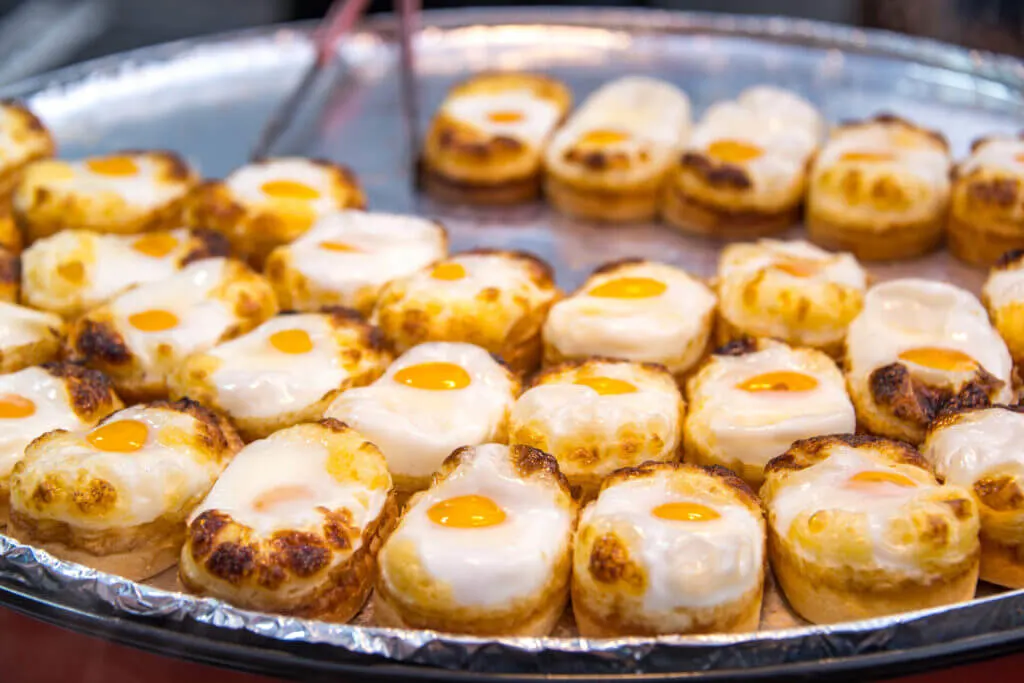
If there’s one place I truly miss in Seoul, it’s the Myeongdong Night Market. Yes, it’s mostly set up for tourists, but you can get loads of street foods in one place!
Foods I recommend trying:
- Egg bread
- Fried chicken
- Sesame ice cream
- Korean cheese corn dog
- Fish cakes
But beware: some of the street food vendors use microwaves to heat the food, which caught me off guard and didn’t give the best experience.
If you see a microwave at a stand, it’s probably best to steer clear. Most, though, freshly grill or fry foods on the spot!
Day 3: Dig Into Korean War History at the DMZ
DMZ Full-Day Tour


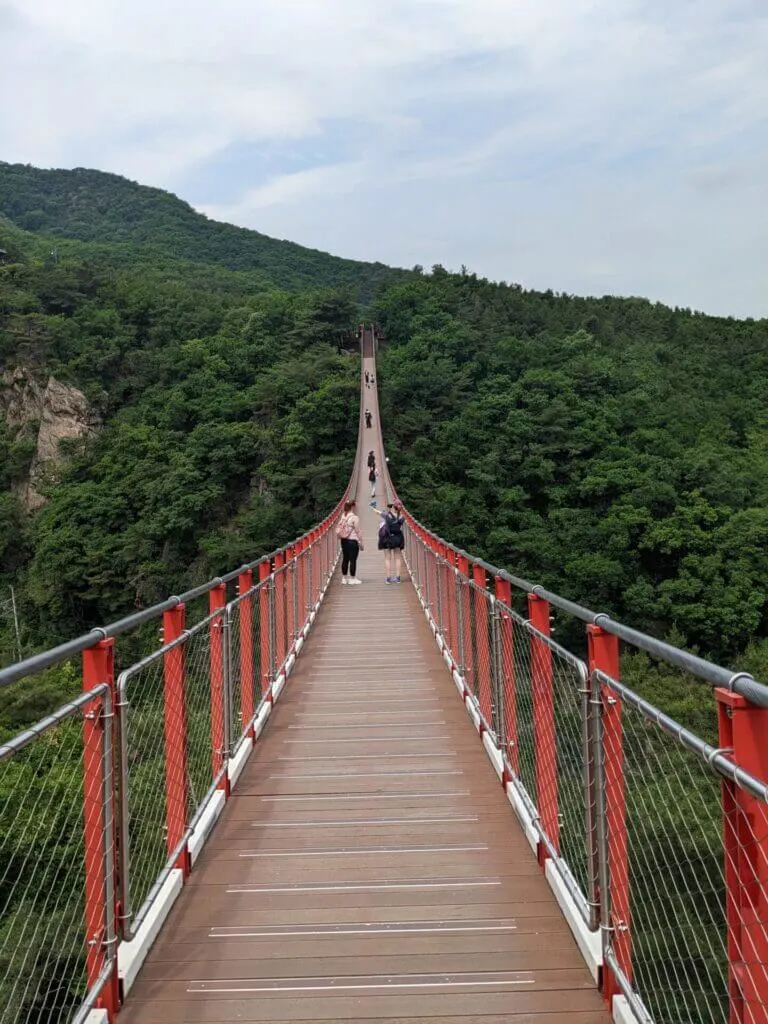
One thing that is really a must-do while visiting Korea is a trip to the DMZ, a weapons-free zone that acts as a buffer between North and South Korea.
From my observations, I find people get so caught up in the fun, K-pop, entertainment side of South Korea that they actually don’t learn about the history or the darker sides of the country.
But in order to appreciate the force Korea has become today, it’s important to take a deeper look.
Now, there are various trips to the DMZ which vary by activities, so you’re free to explore, but this is the tour I went on, which included the suspension bridge (the views are amazing!), and of course, a visit to the DMZ where we got to go into the old tunnels and see North Korea from the observation post.
Head to Jeonju after DMZ tour (or Early the Next Day)
After returning from the DMZ tour, hop on the train to Jeonju and check into your accommodation.
From the train station, there’s a bus to the Hanok Village, or you can pay for a taxi.
If you want some chill time after the tour, or want to explore a bit more of Seoul for the evening, stay in Seoul one more night and book an early train ticket to Jeonju for day 4.
Day 4: Jeonju: Foodie Haven in South Korea
Jeonju is one of my favorite places in South Korea and a MUST on any 10 day South Korea itinerary! I stayed in a traditional Hanok building and adored the natural scenery, kind people, and of course, the food!
Where to Stay in Jeonju:

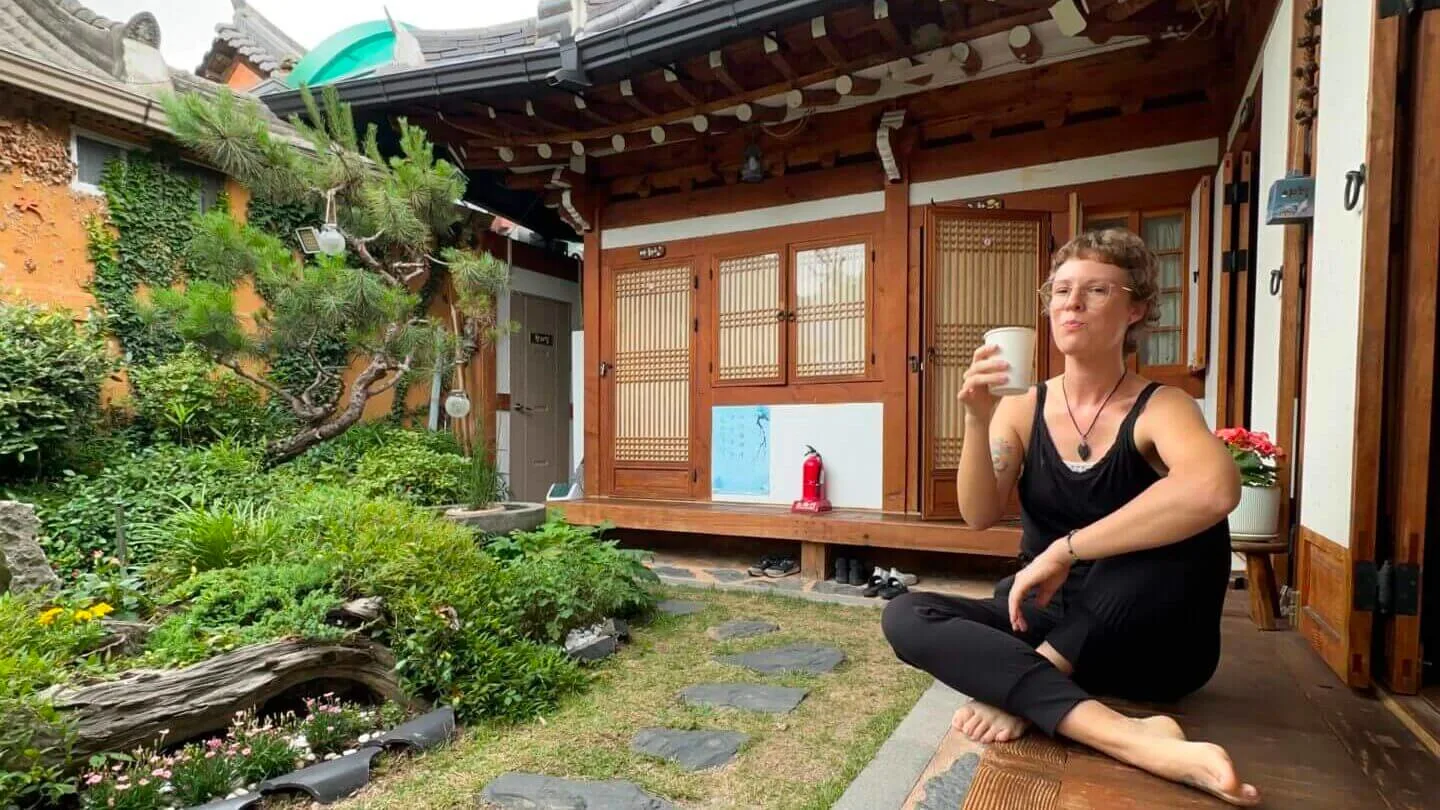
Without a doubt, stay in a traditional Hanok building in Jeonju! Here are my top recommendations. The prices are much better here than in Seoul, so most of them are budget to mid-range.
Budget: Laon Hanok Gguljam is in a gorgeous building
Mid-Range: Hanok Story Guesthouse, Hanok Hyeyum
Day 4:
For our one day in Jeonju on this 10 day South Korea itinerary, the suggestions don’t need to be done in any particular order. Overall, you can spend a day wandering around Jeonju at your own leisure — whether you arrived on the night of day 3 or caught an early train on day 4.
These are my suggestions below, which you can easily do within a day!
Jaman Mural Village

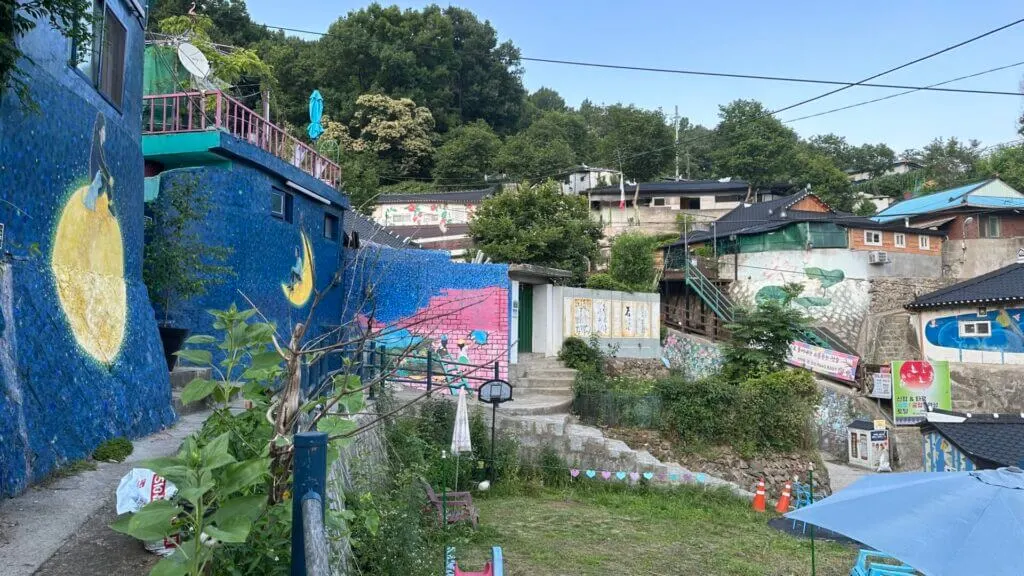
The hillside village of Jaman was born as a place where refugees lived. The village suffered poverty and hardship, and many homes were left abandoned.
Today, the village is full of winding alleys and hills and is revitalized with cafes and mural artwork. I visited multiple mural villages in Korea, including one in Seoul and Yeosu, but this one is the best (imo).

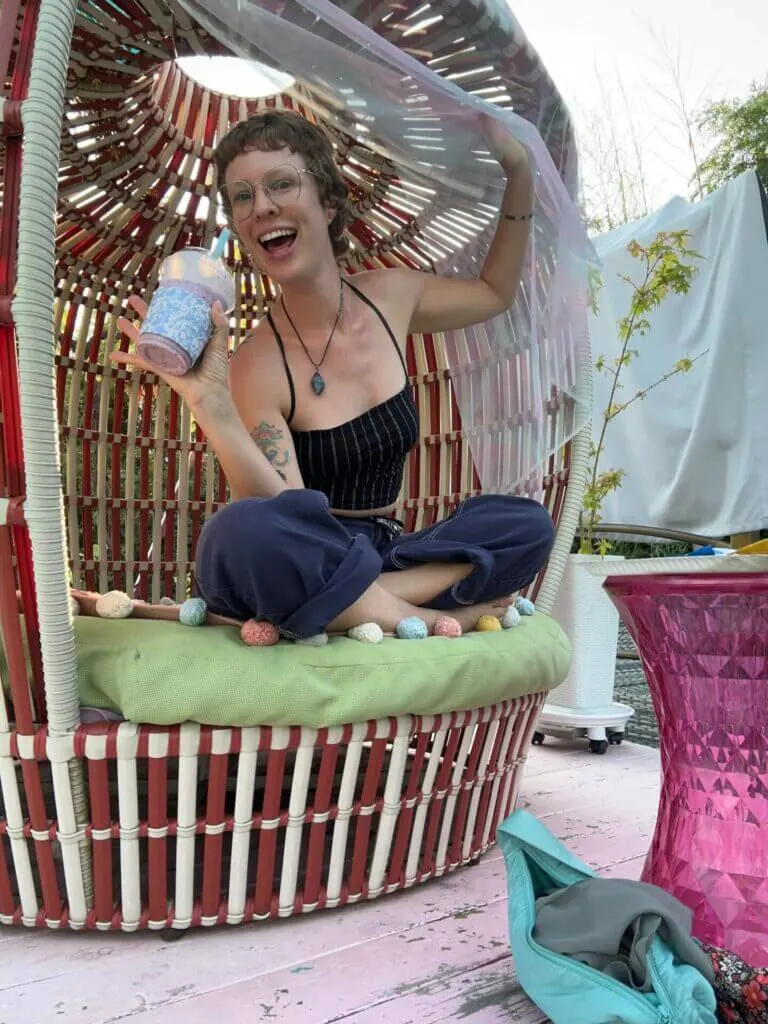

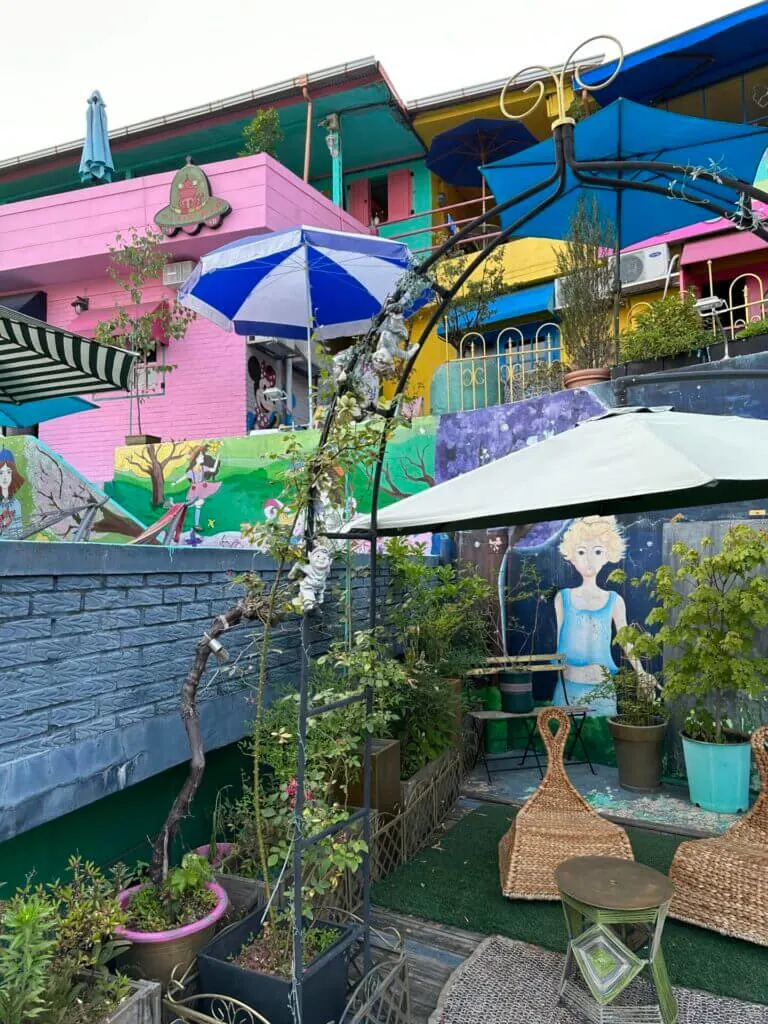
I highly recommend visiting the ET Cafe, which is loaded with eclectic artwork, retro design, and unique seating areas. Of all the cafes I’ve been to in Korea, it’s my absolute favorite for its creative vibe paired with natural views.
Eat Around the Hanok Village

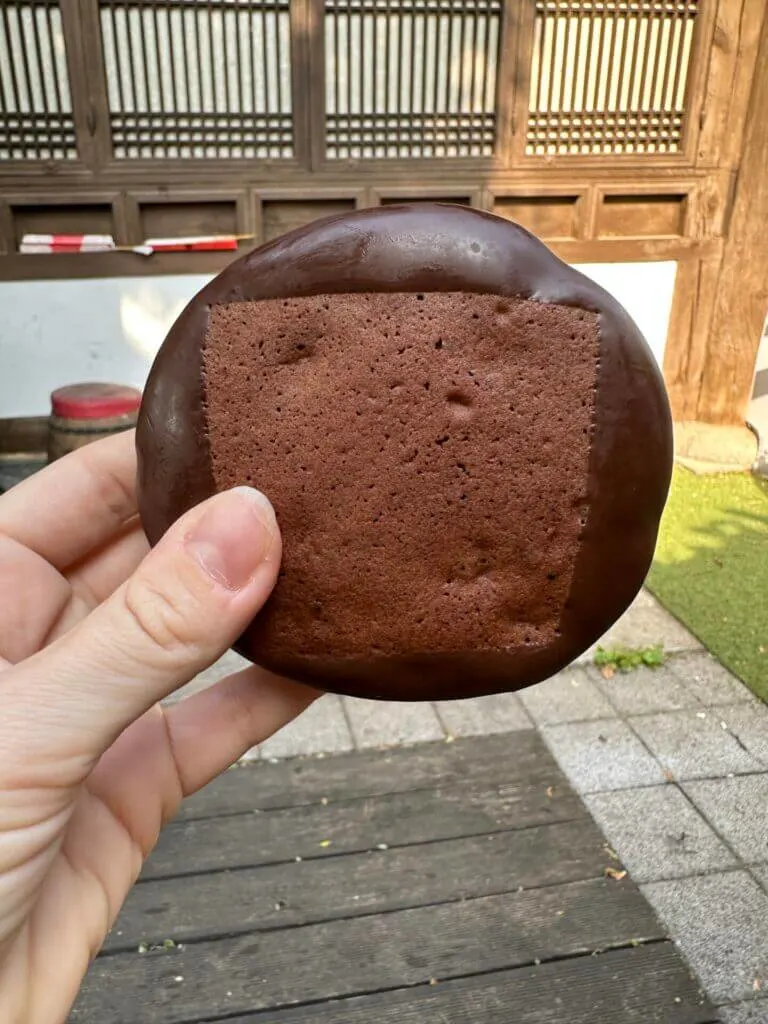

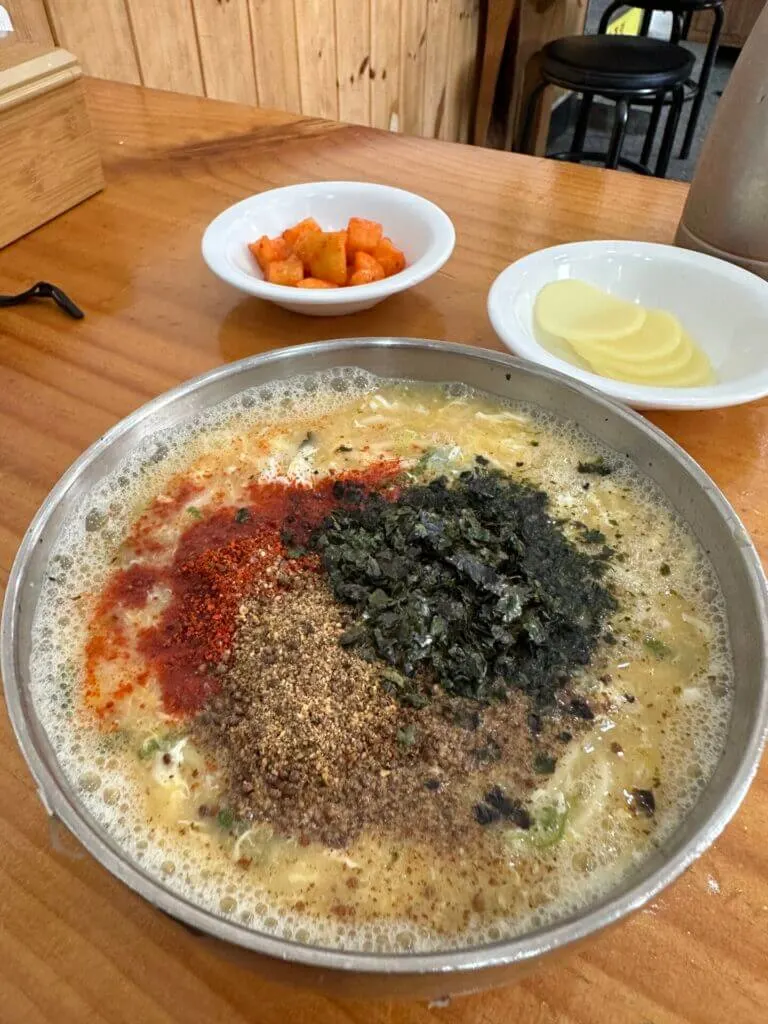
As you walk the charming streets of Jeonju’s Hanok Village, you might suddenly notice you’re drooling. Because, let’s be honest, Jeonju is loaded with food options and is known to be one of the best places to eat in all of South Korea.
Check out my map of the best places to eat in Jeonju and plan out your food itinerary. It’s no joke, this is the city to eat!
Also not mentioned on my list are the Choco pies at PNB Bakery; be sure to try them here or grab some for the road!
Lotus Pond
Last but not least, there’s the Lotus Pond. To be honest, for the 40-minute bus ride it takes to get here from the Hanok Village, it’s not that worth it.
It’s a nice park to visit if you have the time, but I wouldn’t put it high on the priority list if you’re in a rush.
Days 5-7: Gyeongju, Korea’s Historical Capital
Where to Stay in Gyeongju:
Gyeongju is a place to stay central and amongst the bustle. Here are my recommendations:
Budget: Doobaki Hostel if you want to party and have a super affordable stay
Mid-Range: Dorandoran Guesthouse for a nice and authentic Korean stay, or Hotel No. 25 for a newer boutique stay
Splurge: Y Collection by Unboundi Gyeongju: Modern. Simple. Elegant. Edgy.
Day 5: Last meal in Jeonju & Travel to Gyeongju
Take the Bus to Gyeongju
Today, take it easy because you’ll need to take a four to five-hour bus trip to Gyeongju. Start the day with a bowl of Kalguksu noodles or Kongnamul Gukbap soup in Jeonju, and then head to the Jeonju Bus Station to catch a bus to Gyeongju.
Dinner in Gyeongju: Jungang Market Night Market
When arriving in Gyeongju, the best way to end your day is to head to the Jungang Night Market (can you tell how big of a thing night markets are here, yet?). In the evening, the main market will be closed, but along the North side, there’s a night market.
The night market is open from 6 PM daily except for the 1st and 15th of each month.
Day 6: History, Culture, & Food in Gyeongju
Today we dive deeper into Gyeongju – I’m sure you’ll love it.
Bulguksa Temple

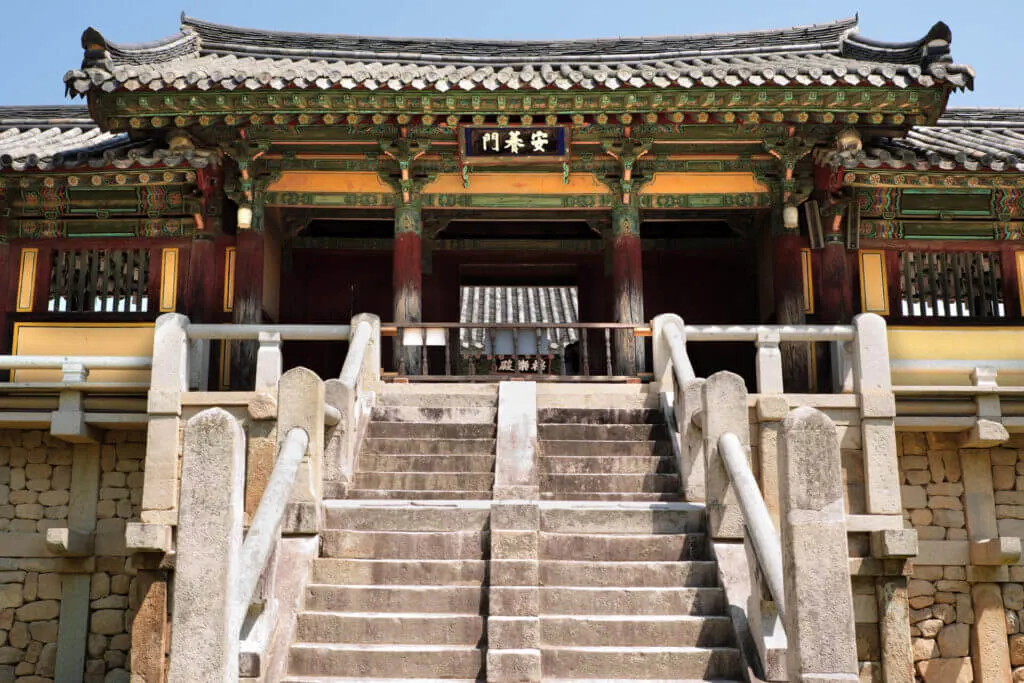
The Bulguksa Temple was one of my favorite destinations in Korea because it’s a symbol of history and culture. Here, you’ll find both international and local tourists enjoying the gardens and magnificent architecture.
To get here, you’ll have to take a bus from Gyeongju, but it’s well worth the visit. As someone who’s lived in Asia for four years, it’s one of the top temples I’ve ever visited.
Seokguram Grotto (optional)
Sadly, I never made it here, but hidden away, you can find the Seokguram Grotto, located a few kilometers from the Bulguksa Temple.
Inside the grotto, the 3.5-meter-high stone Buddha awaits you, as well as other Buddhist imagery carved into the stone walls. As the bus runs here hourly, you might want to check Google reviews to decide if it’s worth the extra travel time to see this historic destination.
Or, the most hassle-free options to see the best sights in Gyeongju is to book a private tour like the one below and travel at your own pace!
Eat Your Heart Out

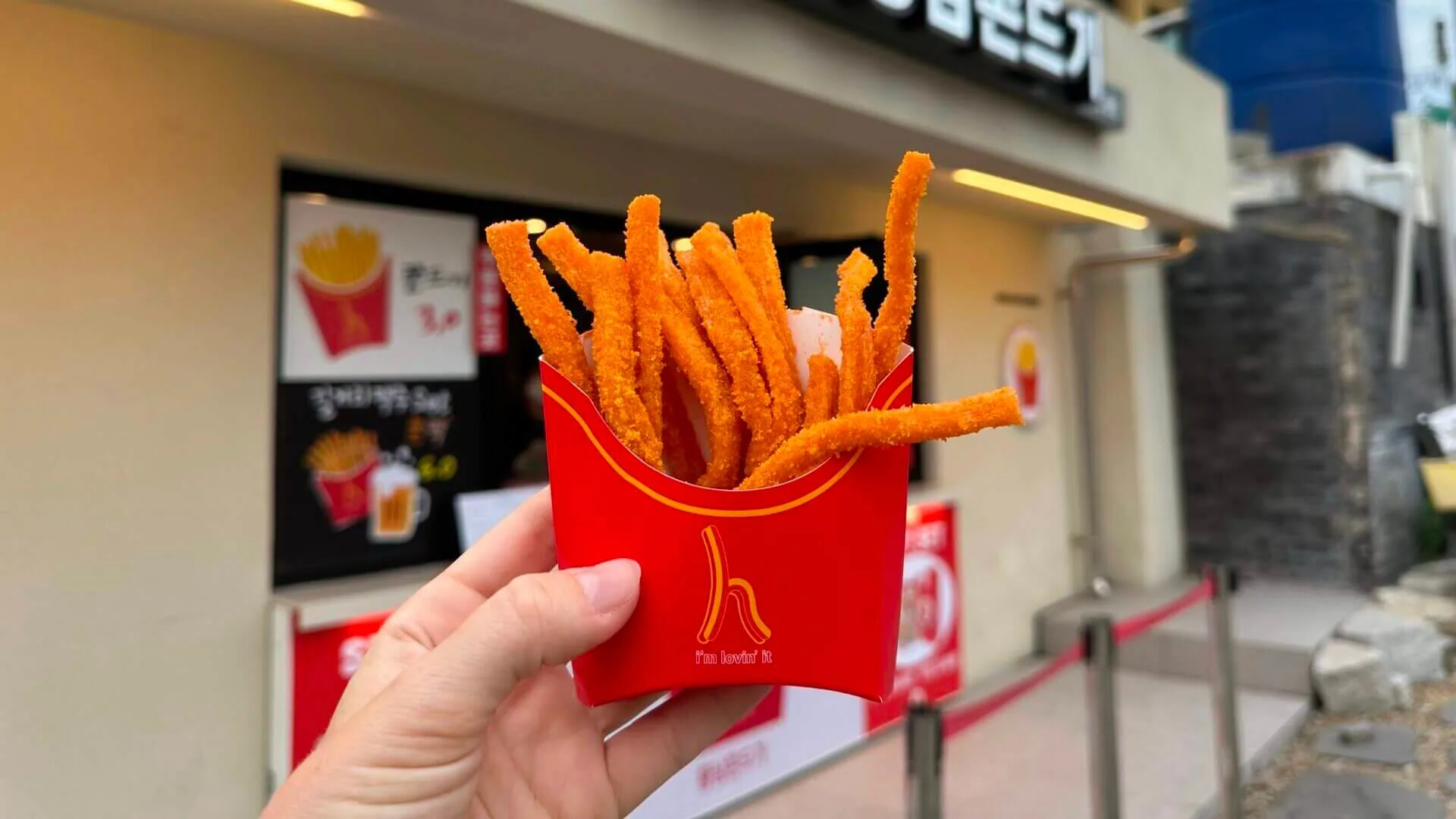

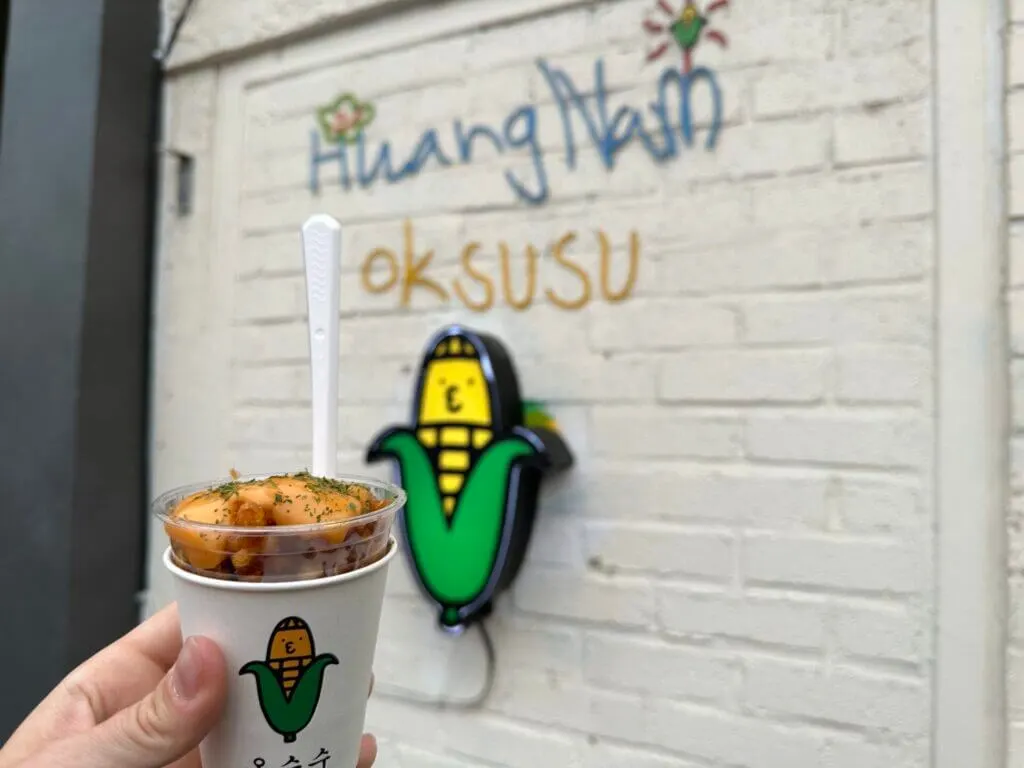

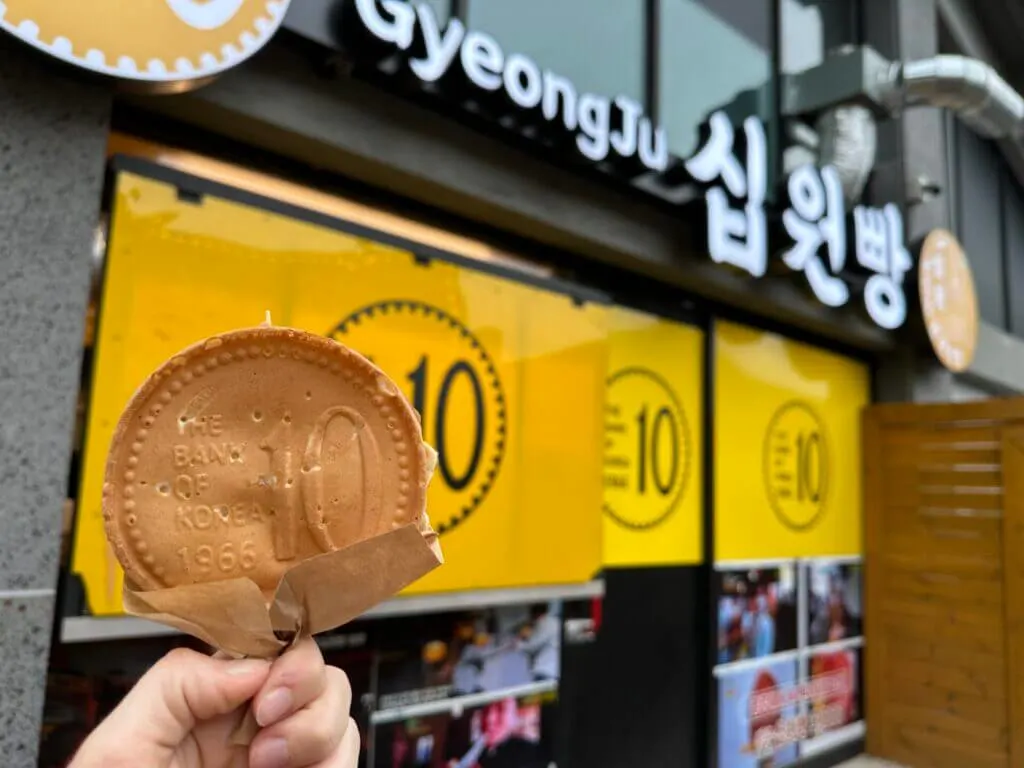
One thing that surprised me in Gyeongju was how good the food was! Everyone talked about Jeonju, but Gyeongju is certainly on a similar level (or at least close) for me!
Once you return from the temple, head over to Hwangnidan-gil Street where you’ll find lots of traditional buildings, shopping, and food!
It’s best to come hungry and make stops along the way, but you can also eat at one of the many nice restaurants here.
Day 7: Cheonsamachong Observatory & Historic Grounds, Evening Bus to Busan
Today we will get out and about outside the city!
Daereungwon Tomb Complex/Cheonmachong Tomb

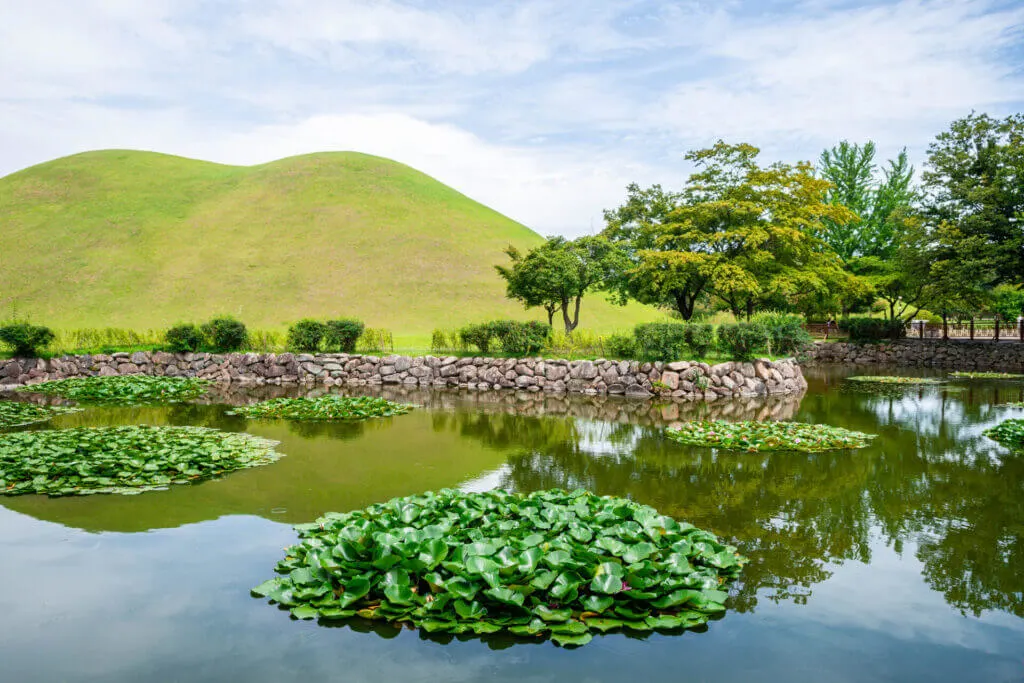
Around Gyeongju, you may have noticed these giant mounds — these, in fact, happen to be tombs! And the Daereungwon Tomb Complex is the most famous site of these ancient tombs in Gyeongju.
If you want a deep look into the history, you can pay the entrance fee to enter the grounds to see the artifacts and wander around the tomb complex. I didn’t go in because I was so tired from walking everywhere, and was able to see other tombs from the outside.
Cheonmachong Observatory

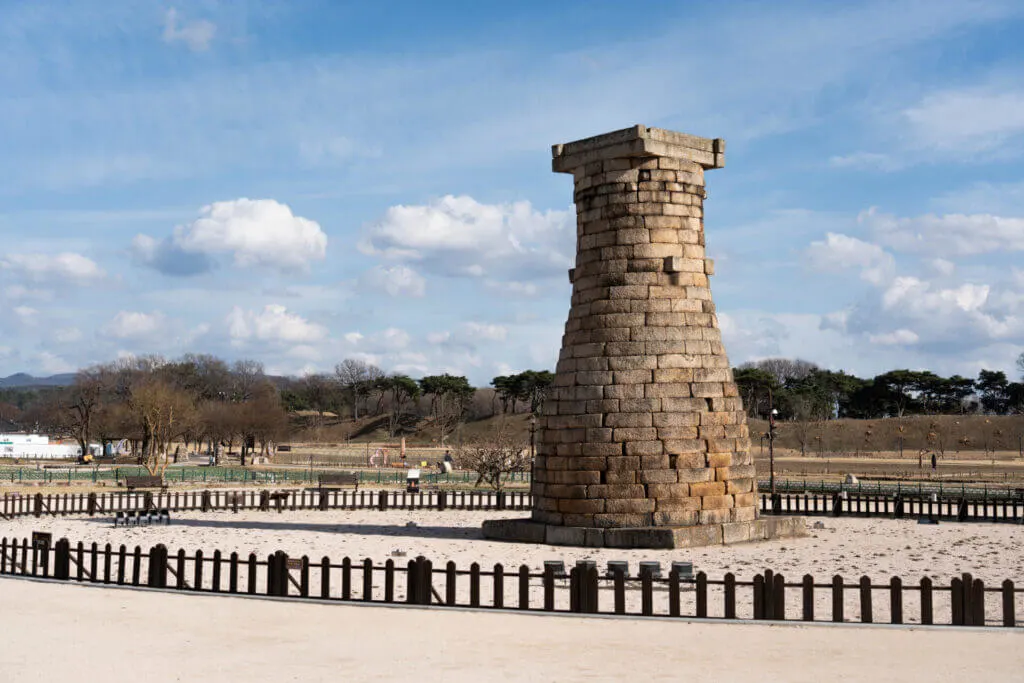
From the Daereungwon Tomb Complex, you can walk to the Cheomseongdae Observatory. This is known as the oldest astronomical observatory sites in Asia!
Then, from here, you can wander the vast grounds in the area, eventually ending up at our next stop, the Gyeongju Gyochon Traditional Village.
Gyeongju Gyochon Traditional Village

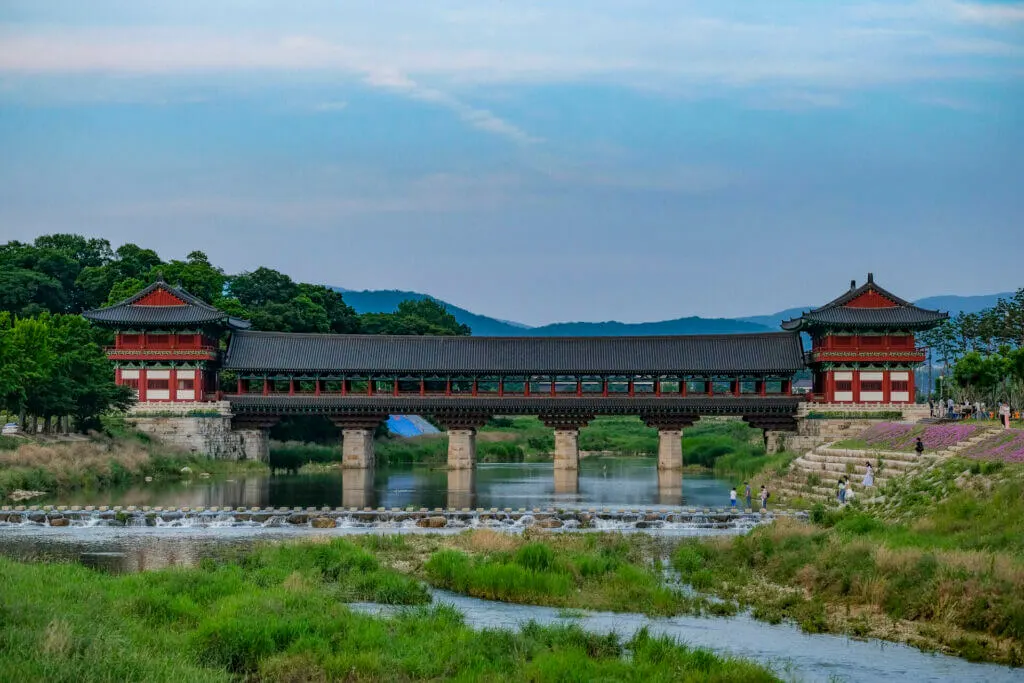
Like many of the traditional villages in this 10-day South Korea itinerary, the Gyeongju Gyochon Traditional Village is quaint to wander. There are a few restaurants you can grab lunch at, and you can admire the buildings and enjoy the natural scenery with ease.
Bus to Busan – Evening
Unlike our last bus trip, from Gyeongju to Busan, you’ll only need to travel about 2 hours. From the Gyeongju Bus Station, there are two bus stations you can arrive at in Busan, including the Seobu Bus Terminal or the Busan Central Bus Terminal.
Depending on where you’ll stay in Busan, you’ll need to get off at one of the two bus terminals. Then from the bus station, you can take the metro or bus to your accommodation.
Days 8 – 10: Busan, Coastal Fun in South Korea
Where to Stay in Busan:
Unlike Seoul, where attractions are quite close and faster to reach, Busan is a bit more spread out along the coast. It can definitely take some time to arrive at destinations.
Depending on your goals of what to do in Busan, you can decide which area is best to stay.
I stayed in a more local area when I visited, but if I were to go back, these are some areas I would consider staying in instead. These are ideal for some of my recommendations below.
Budget: Elysee Hotel (central) and cheap or MAMA Guesthouse Haeundae (coastal) with community vibes and great single/double rooms
Mid-Range: Urbanstay Boutique Nampo (central) for a central CUTE AF boutique stay or Nampo Hound Hotel Premier for another central stay with rooftop bar
Spurge: Signiel Busan – there is no other option, this IS the splurge (ocean views, rooftop infinity pool, and more)
Day 8: A Coastal Busan Day
Time to finally hit the coast in the last few days of our 10-day South Korea itinerary!
Yonggungsa Temple

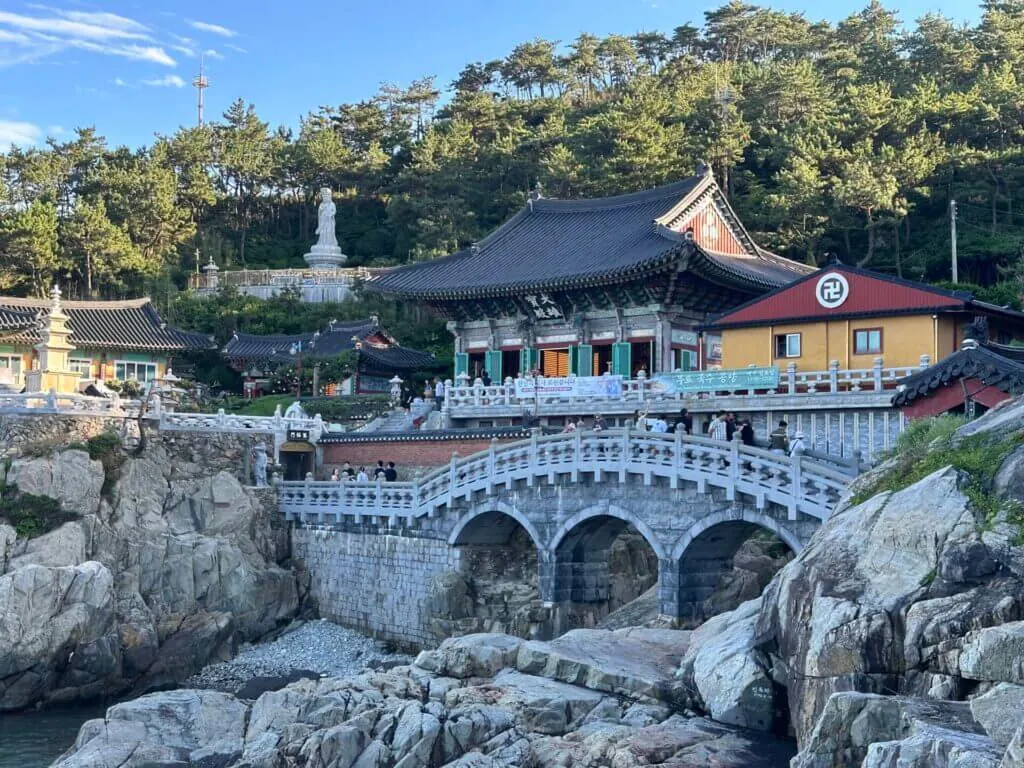
I know, I know, we’re doing a lot of bus rides back to back, but trust me, this one is also well worth it! Perhaps even more so than Bulguksa?
The Yonggungsa Temple is a gorgeous seaside temple where you can check out numerous buildings and views. You can also buy a golden leaf, write a wish on it, and hang it on one of the rails or fences at the temple.
Beach Day & Sunset

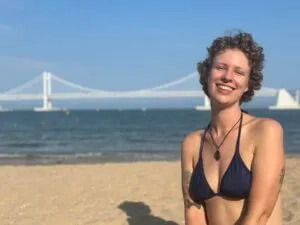
After visiting the temple, let’s break up the pace a little bit and slow down and spend the rest of the day at the beach. This itinerary has moved fast, so we deserve some downtime!
There are two popular beaches to visit, including Gwangan and Haeundae. I recommend either of these beaches, as they’re both relaxing and have lots of restaurants and shopping too.
Day 9: Busan’s Top Attractions
After a chill beach day yesterday, I hope you’re ready for an action-packed day! Today will be busy, but include some of the best attractions in Busan, including culture, nature, and food!
Gamcheon Village
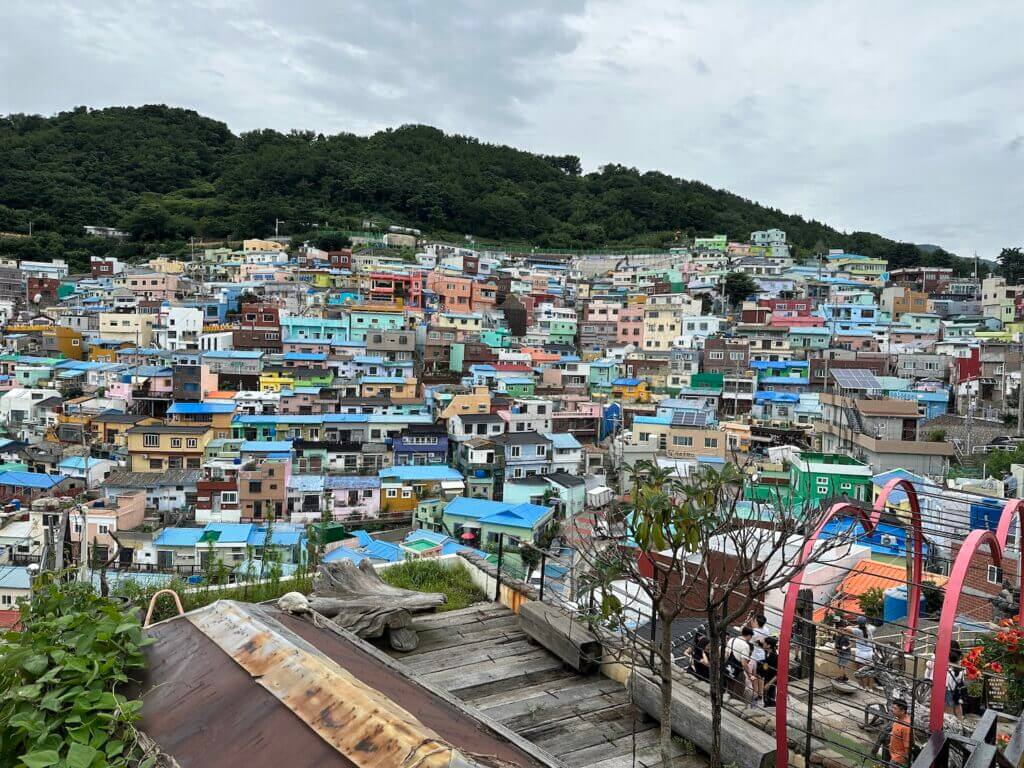
Start the day early and beat the crowds by heading to the very famous and colorful hillside village of Gamcheon. While the village is quite massive, there’s a path you can loop around, bringing you along strings of shops, cafes, and the best photo spots along the village.
I recommend allotting about maybe two hours total here, including walking around and stopping at a cafe.
Hiking Coastal Igidae Trail

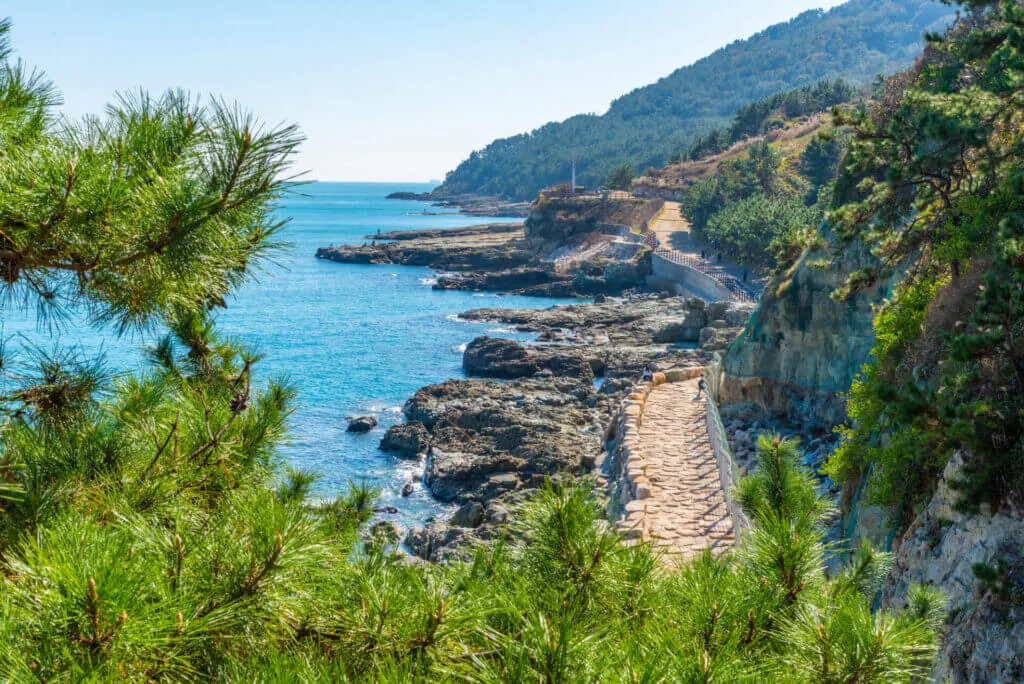
Now, this isn’t the easiest destination to get to despite being in the middle of the city. Let me put it this way, you have to take a bus here and then walk quite a bit. But it is worth it for the views!
There are multiple routes you can take along Igidae that are absolutely stunning.
I’m not sure if it’s worth the effort if you only want to go for the more easily accessible view over the city, but if you want to hike along the staircases that slope along the hills, it’s worth the time and effort!
By the end, I was sweating, and I took probably about three hours here because I had to hike the same route back. By far though, one of the best things to do in Busan by far.
Night Market in Nampo

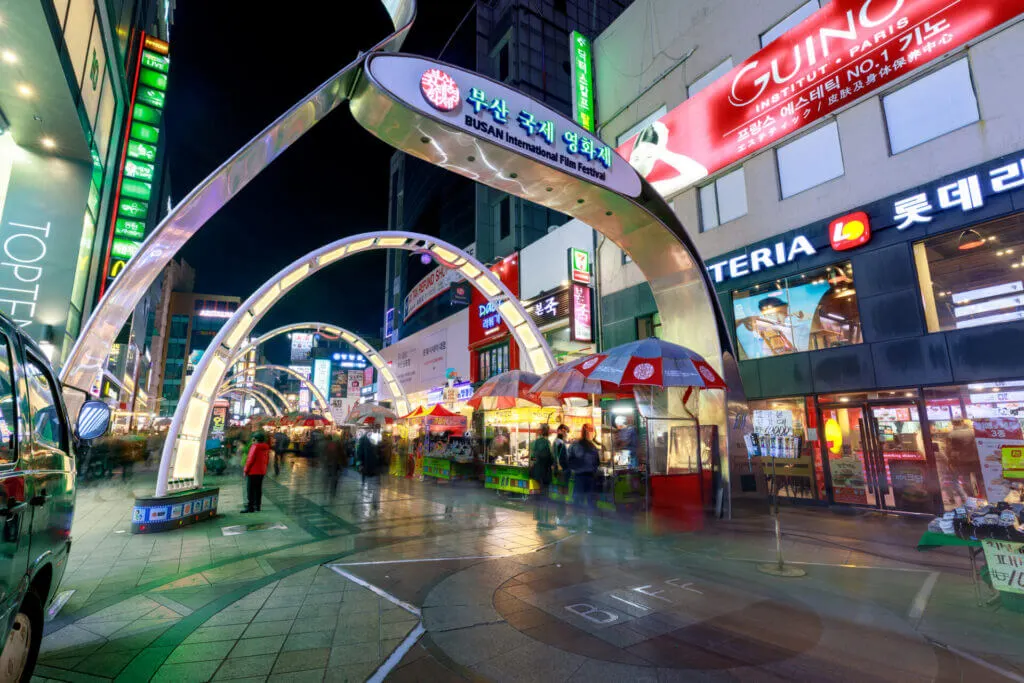
One simply can’t leave Korea without enjoying one more night market! Head to the Nampo-dong neighborhood, where you’ll find lots of food options. One of the best options is night market stands lined up along BIFF (Busan International Film Festival) Square. Be sure to arrive not too late, as some shops close around 9 PM.
If Nampo happens to be out of the way, especially if you went to Igidae, then Haeundae is also home to a street full of night market foods to enjoy.
Personally, I find the night market at Nampo to have much more of a night market vibe than at Haeundae, but both are good options.
Day 10: Sit Back & Relax
You deserve it!
Take a Ride in the Sky Capsule

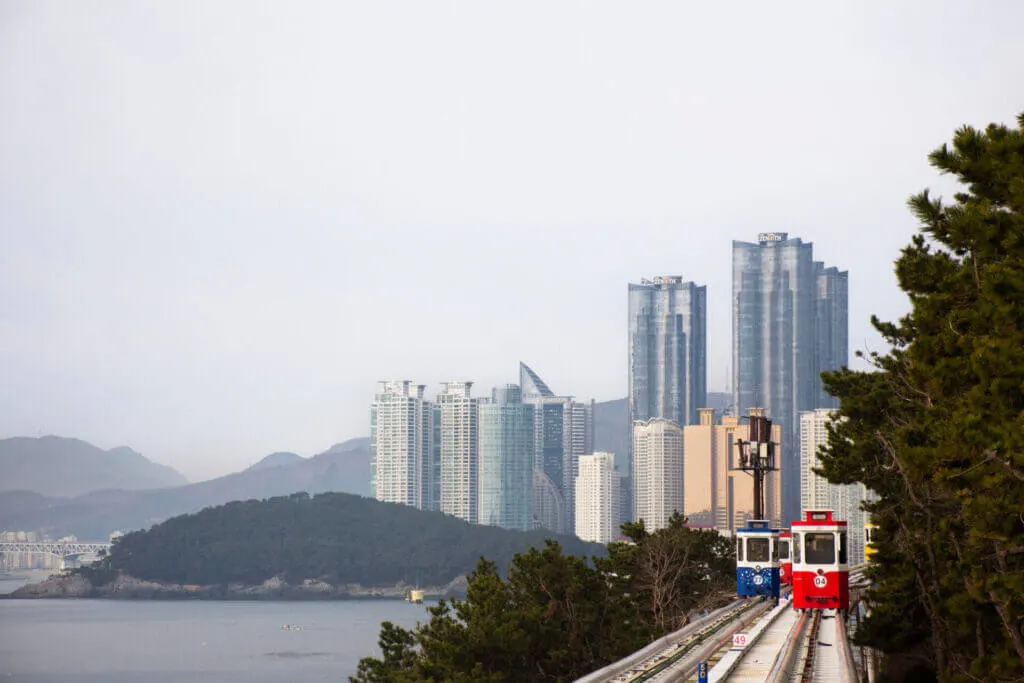
I’m sure you’ve seen this attraction on Instagram — it’s those cute little cars that move along the tracks in Busan, providing breathtaking seaside views of the city.
To be honest, I didn’t do this because I thought it was a bit expensive and I had already gotten many spectacular views of the city. But this 10-day South Korea itinerary couldn’t be written without mentioning it!
So if you’ve seen this and it’s on your South Korea bucket list, I say go for it!
Spa Land
After 10 days of intense, amazing, fun, and inspiring travel around South Korea, it’s time to treat yourself!
In Korea, public bathhouses are quite popular. Called ‘Jimjilbangs,’ these bathhouses range from simple to luxurious!
While there are many of them in Busan, SpaLand is one of the most famous and luxurious – even featured on CNN! When you visit, there are two main areas to enjoy.
The first is the bathhouse, and these are separated by gender as you enjoy the bathhouse naked. It seems weird at first but trust me, once you get comfy, it’s fine.
The second, which is public to every guest, consists of various sauna rooms, relaxation areas, massage chairs, a nail salon, and even a ramen cafeteria.
You can book your ticket online through platforms like Klook or pay on arrival. It’s about $15-20 to enter, and you get four hours at the spa. If you spend an extra 10,000 won, you can enjoy an extra two hours.
I recommend spending this extra money by getting a massage in the bathhouse. I suppose it’s kinda like a Turkish bath experience, except you have a Korean Ajumma rubbing you down with an exfoliation towel and giving you a massage. You will be reborn after this, I promise.
Final Tips for Your 10 Days in South Korea
I hope this 10-day South Korea itinerary has inspired your trip! With that said, keep these small tips in mind.
- Avoid travel during major holidays (or plan far ahead if you will!)
- Consider the weather during 10 days in South Korea and adjust this itinerary if needed
- Come with extra space in your suitcase (think Oliver Young and K-Beauty shopping spree?)
Other places to visit to consider in a 10 Day South Korea Itinerary:
- Jeju – South Korea’s Hawaii
- Andong – City with Traditional Culture
- Yeosu – Southern Coastal City with Great Food and Views
- Suncheon – South Korean City with Film Set
- Or, make it a 20 day itinerary!
We hope you have enjoyed and made the most of these 10 days in South Korea! Drop any questions in the comment box below.
