
Applying for a Working Holiday Visa (WHV) in Australia is one of the best ways to experience living Down Under while earning money to help fund your travels. Whether you’re hoping to spend a year exploring the country, gain international work experience, or simply try living somewhere completely different, Australia’s WHV gives you an incredible amount of flexibility.
I actually moved to Australia on a Working Holiday Visa myself, and what was supposed to be one year somehow turned into years of living there. I ended up calling both Sydney and Melbourne home, completed my regional work for a second visa, worked as a tour guide, and traveled all over the country. Looking back, there are definitely a few things I wish I’d known before applying, so throughout this guide I’ll mix the official requirements with the practical stuff that actually makes life easier as you prepare (and once you get there).
One of my favorite things about the Working Holiday Visa is that there really isn’t one “right” way to do it. Some people spend the year traveling every chance they get, while others settle into one city, build a group of friends, and almost forget they’re technically there on a visa. Whatever your goal is, a little planning beforehand makes the whole experience SO much easier.
So if you’re wondering how to apply, which visa you need, what documents you’ll need, or how to set yourself up once you arrive, here’s everything I wish I’d known before applying.

More Than Just a Holiday: Build Skills While You’re in Australia
When people think about Australia’s WHV, they usually picture backpackers pouring beers, picking fruit somewhere in the middle of nowhere, or driving a campervan up the East Coast.
And yes… plenty of people do exactly that.
Your Working Holiday Visa can also be a great opportunity to build experience or knowledge for whatever comes next. I met people working in hospitality, hotels, tourism, events, offices, startups, construction, marketing, or even studying… pretty much every industry you can think of had travelers somewhere. Some people spent the year saving money before traveling Asia, while others used it as a stepping stone towards a completely different career or eventually staying in Australia long-term.
If you’re hoping to build your resume or your skillsets while you’re there, studying alongside your travels can also be a really worthwhile option. Short, flexible programs such as a graduate certificate in AI can help you build practical skills in one of the fastest-growing industries while still giving you plenty of time to work, travel, and actually enjoy living in Australia.
Having a rough idea of what you want from your year before you arrive makes a huge difference, whether that’s traveling as much as possible, saving money, building new skills, or a little bit of everything.


How to Apply for a Working Holiday Visa in Australia
The first step is, of course, actually applying for your visa.
Australia has two different Working Holiday Visas available, depending on which passport you hold: Subclass 417 and Subclass 462. While they work in very similar ways, they apply to different countries and have slightly different eligibility requirements.
If you’re not sure which one applies to you, don’t guess. The Australian Department of Home Affairs has a really useful eligibility checker, plus official information for both visa subclasses and the application process:
- Australian Department of Home Affairs (general information)
- Subclass 417 Working Holiday Visa
- Subclass 462 Work and Holiday Visa
- ImmiAccount (where you’ll actually submit your application)
Who is eligible for an Australian Working Holiday Visa?
Eligibility mainly depends on three things: your nationality, your age, and which passport you’re traveling on.
Most applicants must be between 18 and 30 years old, although citizens of some eligible countries (currently including the UK, Canada, Ireland, France, Denmark, Italy, Cyprus, Finland, Korea and maybe a couple more) can apply up until the age of 35. You’ll then apply for either a Subclass 417 or Subclass 462 visa, depending on your nationality.
Subclass 417
If you’re from countries such as the UK, Canada, Ireland, Germany, France, Sweden, Denmark, Italy, South Korea and many other eligible countries, you’ll generally apply under Subclass 417. This visa doesn’t require proof of English ability or post-secondary education, making it the simpler option for many travelers.
Subclass 462
Citizens of countries including the United States, Turkey, Argentina, Thailand and several others generally apply under Subclass 462. This visa includes a few additional eligibility requirements, including English language proficiency and certain education requirements depending on your country of citizenship.
How much does a Working Holiday Visa cost?
At the time of writing, both the Subclass 417 and Subclass 462 WHV cost AUD $840. Once granted, you’ll usually have 12 months to enter Australia, and your visa then becomes valid for 12 months from the day you arrive, not from the day it was approved. That flexibility makes planning your move a LOT easier.
Apply Earlier Than You Think
One thing I REALLY recommend is applying NICE and EARLY. Visa processing times change constantly. Some people hear back incredibly quickly, while others wait much longer, depending on the time of year and how busy things are.
The good news is that once your visa is granted, you’ve got a whole year to actually enter Australia, so there really isn’t much benefit in leaving it until the last minute. I’d much rather have my visa approved and sitting there while I figure out flights than be refreshing my inbox every five minutes, wondering if it’s going to arrive in time (which I did once – I actually had to get on my flight to Australia before my visa was approved and do a visa run to Bali when it came through. DO NOT BE ME!)


What You’ll Need Before You Apply
Applying for a WHV isn’t particularly complicated, but there are a few things you’ll want to have organized before you sit down to complete the application.
Proof of Sufficient Funds
One of the main requirements when applying for a Working Holiday Visa is showing that you have enough money to support yourself when you first arrive in Australia. Depending on your circumstances, this could include things like:
- Recent bank statements showing you have access to around $5,000 AUD
- Proof that you can afford a return or onward flight
- A confirmed departure ticket
- Other evidence showing that you have enough funds to initially support yourself
The government’s minimum requirement is exactly that… the minimum. I definitely recommend saving as much as you can beforehand, as costs can add up… more on that later!
Have Your Documents Ready
Before you start your application, it’s also worth making sure you’ve got everything you need ready to go.
Generally, this includes:
- A valid passport
- Any documents required for your specific visa subclass
- Proof of funds if requested
- Details about your education or English language ability (for some Subclass 462 applicants)
Having everything organized beforehand makes the application process much smoother than stopping halfway through to hunt for paperwork that you KNOW you saved somewhere.

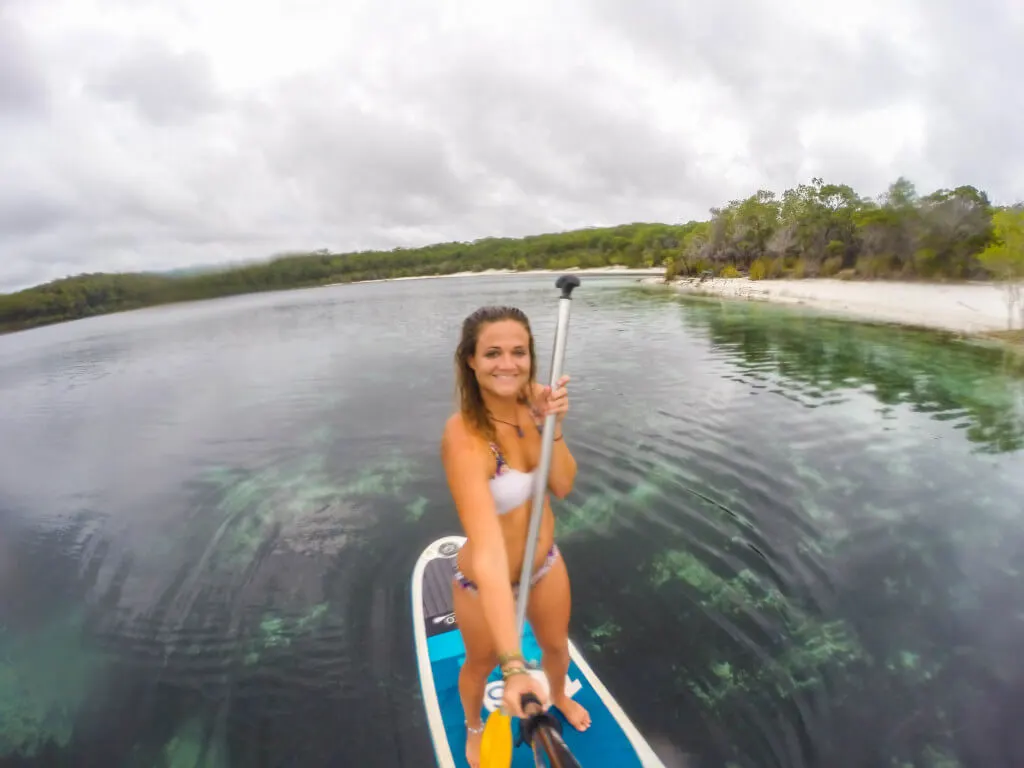
Things I Wish I’d Known Before Applying
Before I moved to Australia, I remember Googling absolutely everything I could think of and talking to any travelers I could, still feeling like I was missing half the information. There were bits and pieces everywhere, but I never found one guide that walked me through the whole process from someone who had actually done it.
There was plenty of information about how to get the visa itself, but not much about what life actually looked like once I landed. Looking back, these are probably the biggest things I wish someone had told me before I booked my flight.
1. Australia Is MASSIVE (Seriously)
This probably sounds obvious… but Australia is a MASSIVE country. Like, really massive. I traveled around Australia before settling anywhere permanently, and I was constantly amazed by just how ridiculously far apart everything was. It’s easy to think you’re simply “moving to Australia,” but deciding where you actually want to live will probably shape your experience more than almost anything else.
Sydney and Melbourne have completely different lifestyles. Perth is beautiful, but incredibly isolated from the rest of the country. Cairns is tropical and laid-back, while Byron Bay feels like a little surf town where everyone somehow knows everyone else.
Spend a little time thinking about what you actually want from your year before booking flights. Do you want beaches? Festivals? Big city life? Easy access to weekend trips? A smaller town where it’s easier to save money? There isn’t a wrong answer, but it’ll definitely help narrow down where you should start.
If you’re still trying to decide, my Moving to Australia Guide goes into a lot more detail about choosing the right city, and I also have guides to both Melbourne and where I lived in Sydney if you’ve already narrowed it down.


2. Travel First If You Can
Honestly, one of the best decisions I made was traveling around Australia before settling down somewhere. I did a one-month BIG tour around so I could experience all the places.
When I first landed, I thought I already knew exactly where I wanted to live. After the month traveling, I realized I’d completely changed my mind. aNd even after living in one place, I changed my mind about how I felt about it..
Of course, not everyone has the time or budget to travel for a month before finding work, but even giving yourself a week or two to explore your chosen city before locking yourself into a rental can make a huge difference.
3. Australia Is More Expensive Than You Think
Australia is unfortunately quite expensive. I’m not saying that to scare you off (the wages are also much higher than a lot of other countries), but I do think it’s something people underestimate before arriving.
Even if you’ve already saved enough to meet the visa requirements, you’ll probably have a few setup costs before you receive your first paycheck. A hostel while you’re apartment hunting, public transport, groceries, a phone plan, and maybe buying a few things for your new room can suddenly cause your savings to disappear much faster than you expected.
If you can arrive with a little more than the minimum required, you’ll give yourself some breathing room to spend a bit more time finding a place you actually like, rather than feeling like you need to accept the very first room or job that comes along.
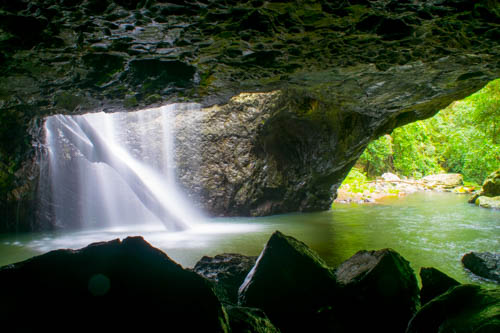
Setting Yourself Up Once You Arrive
The first couple of weeks are usually the busiest. You’ll be opening a bank account, sorting out a Tax File Number, looking for somewhere to live, meeting people, applying for jobs, figuring out public transport, and more. It’s a lot all at once. The good news is that thousands of people do exactly the same thing every year, so there are plenty of resources to help.
Opening an Australian Bank Account
One of the first things I’d recommend doing is opening an Australian bank account. Most employers will want to pay your wages into an Australian account, and it makes keeping track of your money much easier than constantly transferring between international cards.
It’s also something nice to get ticked off early, along with your phone plan and Tax File Number, so you can focus on finding somewhere to live and getting settled.
Finding Somewhere to Live
One thing I definitely recommend is booking somewhere temporary before you arrive. Whether that’s a hostel, a hotel, or staying with friends for a week or two, having a base while you look for somewhere permanent takes so much pressure off. I wouldn’t rush into signing a lease before you’ve actually seen the place. From my experience, photos can be… optimistic 😅.
Some of the websites I found most useful for finding a place to live were:
- Flatmates.com.au
- Gumtree
- local Facebook groups.
- If you’re heading to Melbourne, Fairy Floss Real Estate is practically legendary among backpackers and young professionals looking for house shares.
Finding Work
When people think about Working Holiday Visa jobs, you generally think of things like becoming a baristam our workign at a bar. They’re definitely popular options, but they’re far from the only ones.
While I was living in Australia, I met foreigners on their WHV’s working in hostels, hotels, tourism, cafés, bars, events, construction, offices, marketing, retail… pretty much every industry seemed to have travelers somewhere.
If you’re looking for hospitality work, I definitely recommend printing out a few copies of your CV and walking into places in person. It sounds old school, but I saw plenty of people find jobs that way, especially in cafés and restaurants. For office jobs and longer-term roles, websites like Seek and Indeed are great places to start.
Saying Yes to Things: Important!
One thing that made settling into Australia so much easier at first was simply saying yes to things. I went to events by myself, explored different neighborhoods, met people through work, and said yes whenever someone invited me somewhere.
Moving to another country can feel overwhelming at first, but you’ll quickly realize that so many people around you are in exactly the same position. Everyone’s trying to make friends, everyone’s figuring things out, and everyone’s looking for people to explore with. Some of my closest friends in Australia came from saying yes to plans that I very easily could have talked myself out of.


Planning Your Second (or Third) Working Holiday Visa
One of the biggest reasons people end up extending their stay in Australia is because they fall in love with the place, its lifestyle and standard of living, and sometimes even a person there (guilty). I know people who arrived planning to stay six months and ended up living there for years. Australia kind of has that effect on people.
Depending on your age, nationality, and the type of work you complete during your first year, you may be eligible to apply for a second or even third Working Holiday Visa. I had to do farm work to qualify for my second year, but these days there are lots of other options.
Generally, you’ll need to:
- Have previously held an eligible Working Holiday Visa
- Hold a passport from an eligible country
- Meet the current age requirements
- Complete the required period of specified work if applicable under your visa conditions
The exact requirements have changed several times over the years and continue to evolve, so I’d definitely recommend checking the Australian Department of Home Affairs website before planning your extension.
If you think there’s even a small chance you’ll want to stay longer, do yourself a favor and keep everything organized from the beginning. Save your payslips, keep records of where you’ve worked, and don’t rely on yourself remembering where you put things twelve months later (future you will be very grateful).
My Biggest Piece of Advice
If I could give one piece of advice to anyone applying for a Working Holiday Visa, it’d probably be this: Don’t spend SO much time worrying about getting every little thing perfect before you arrive. Leave some things to unfold as they are supposed to, right in front of you.
Do all the steps and have a rough plan., but don’t stress yourself out trying to map out your entire year before you’ve even stepped off the plane. Some of my favorite memories came from the most random and spontaneous moments and decisions.
I didn’t know where I’d end up living. I definitely didn’t know I’d stay as long as I did. I had no idea I’d end up working as a tour guide, complete regional work for a second visa, or make some of my closest friends on the other side of the world… and that’s the beauty of doing a Working Holiday Visa. You have enough freedom to let your year evolve as you go.
And seriously – give yourself permission to change your mind. You might think you’re going to love one city and end up somewhere completely different. I certainly did.


Final Thoughts on Applying for a Working Holiday Visa in Australia
Applying for a Working Holiday Visa in Australia can feel like a lot before you get started, but once you break it down into smaller steps, it’s actually a pretty straightforward process.
Spend a little time understanding which visa applies to you, get your documents organized, save a bit more than the minimum if you can, and don’t put off your application until the last minute. Once you’ve got your visa, the fun part begins.
Whether you spend the year traveling around Australia, settling into one city, building your career, studying, making lifelong friends, or somehow doing a little bit of everything as I did, there’s a pretty good chance you’ll leave with a whole lot more than just another stamp in your passport.
Frequently Asked Questions
In most cases, you need to apply for your Working Holiday Visa while outside of the country. Always check the current requirements for your visa subclass before applying.
Generally, you’ll need to show access to around AUD $5,000, plus enough money for a return or onward ticket if required. Check the latest Home Affairs guidance before applying, as requirements can change.
The biggest difference is eligibility. They offer very similar opportunities once you’re in Australia, but they apply to different nationalities and the Subclass 462 visa has some additional education and English language requirements.
Yes. Many people choose to complete short courses or professional qualifications both in erson and online while living in Australia, alongside working and traveling. There can be a limit to how much time you can spend studying so make sure to check your requirements (last I checked it’s 4 months for actual schooling).

Passionate, full-time travel blogger with over 230k on social media and 150kMPV blog. Extraordinary photographer with two DSLR's + a drone with a love for capturing candid moments, epic drone shots, and magical compositions. I'm a natural-born content creator originally from California, but I've been on the road for 9 years living, working, traveling, blogging, and photographing my way around the world. I recommend the most amazingly adventurous and unique + boutique travel experiences/stays and helpful products to my audience and write comprehensive guides on my website that have helped millions of travelers so far. I love to inspire people to plan their dream trips, and many readers have given feedback as such. The reach on my platforms continues to soar, especially when combining cutting-edge social content with optimized articles on my high-authority website.