
As the second-largest country in the world, Canada has so much to offer. From majestic mountains to the iridescent blue waters of its lakes, bustling cities, kilometer after kilometer of coastline, and more, you could spend years traveling around Canada and not get bored!
Thanks to its size, Canada also has many superlatives and interesting facts about its geography — which is exactly what we’re going to talk about today.
Register for your Canada eTA for Australian citizens and let’s check out some of the most jaw-dropping facts about Canada’s geography:

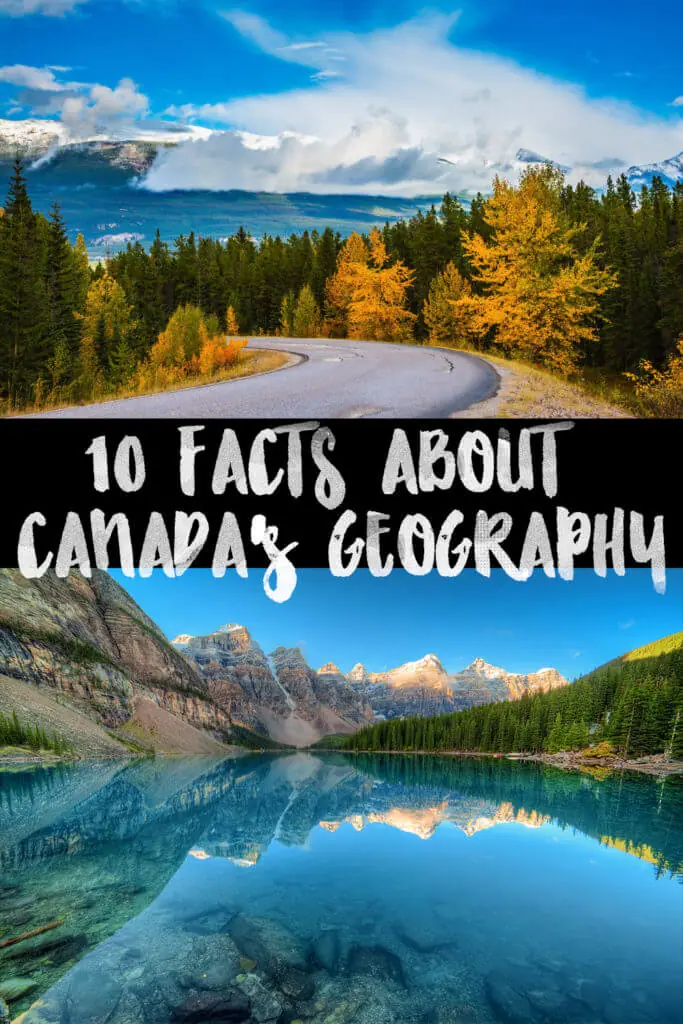
Canada’s Lakes
1. If you love lakes, then Canada should be at the top of your bucket list! That’s because Canada holds the record for the most number of lakes in the world. The country has 563 lakes larger than 100 square kilometers, with the largest being Lake Huron in Ontario.
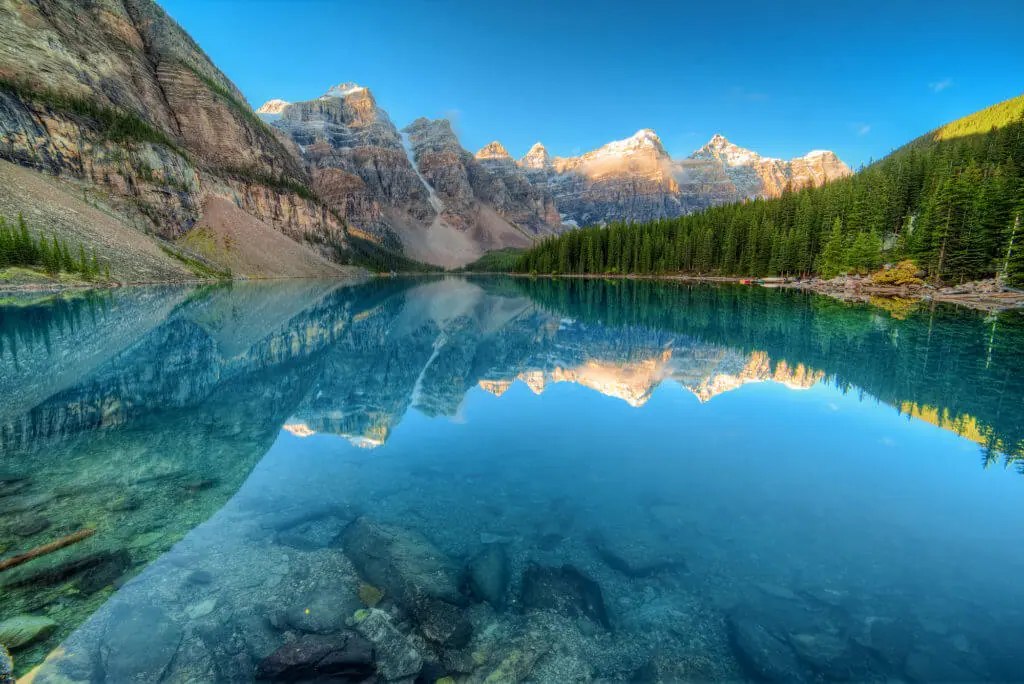
One of the most spectacular is Lake Louise, with its turquoise-blue waters and stunning vistas.

The Longest Coastline
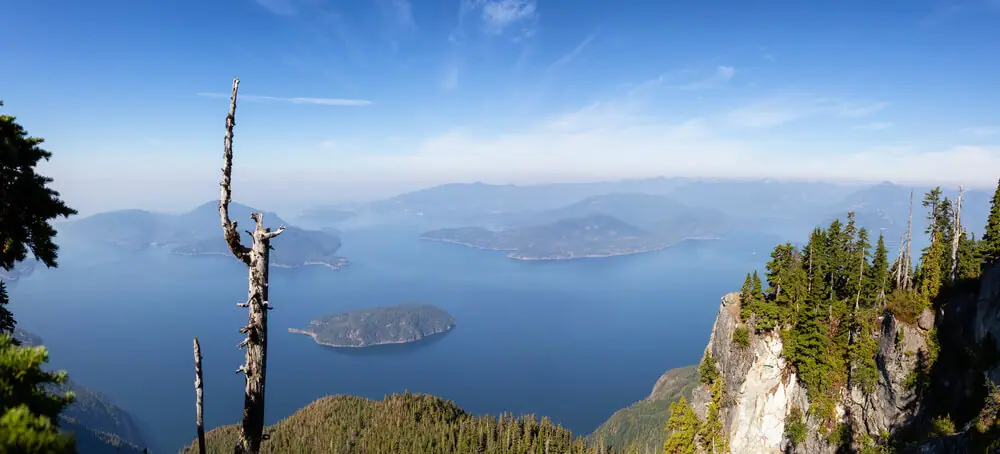
2. Canada is surrounded by three oceans — the Pacific, Atlantic, and Arctic — and, thanks to this, has the longest coastline in the world. In fact, Canada’s official statistics bureau measured the coastline at over 243,000 km, which is almost three times more than the next country, Norway, which has around 83,000 km of coastline.
With so many kilometers of coastline comes many opportunities for tourism! Sports such as surfing are very popular in places like Lawrencetown, Nova Scotia, while the shores of Lake Winnipeg attract plenty of travelers with its summer festivals.
The Island Without a Location
3. Did you know Canada has an island that has no set location? It’s true: a crescent-shaped island called Sable Island is constantly moving eastward at a speed of about 200 meters per year.
This is thanks to a natural phenomenon where water slowly washes away the west side of the island while sand builds on the east end, making it “move” east.
Over the last century of observations, the island “moved” 20 kilometers! Thankfully, only 5 people live on the island, all of whom are scientists studying the island and its environment.

A Huge Country Full of Potential!
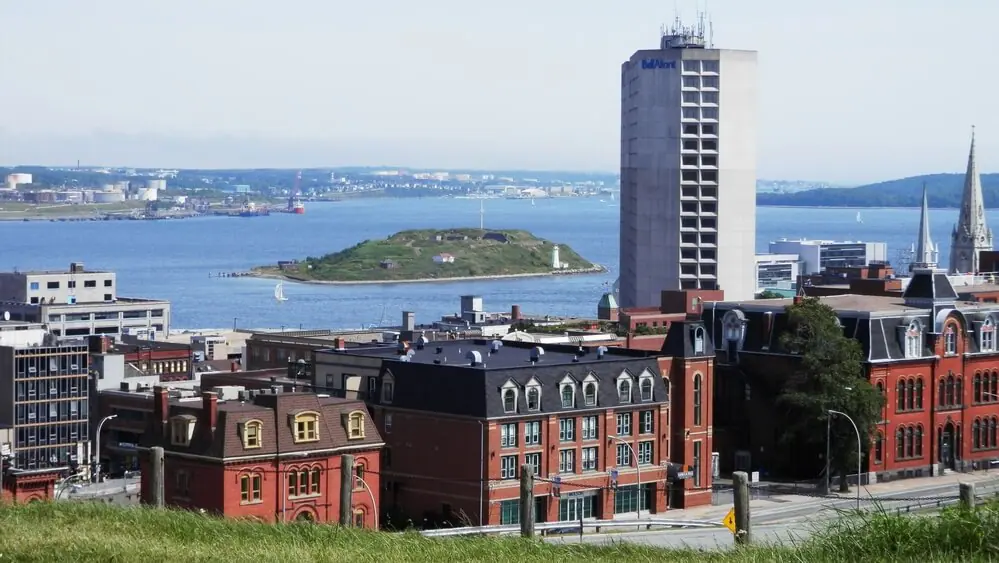
4. Although this may not come as a surprise to many, Canada is the second-largest country in the world in terms of area (after Russia). Its territory covers 9.985 million km² and covers 6 time zones — which means plenty of amazing places to visit, sights to see, and adventures to be had!
Forests, Forests…
5. Continuing the trend of superlatives, Canada is the third-largest country in the world in terms of forest size. With more than 347 million hectares of the country covered in forests means that Canadian forests cover 10 percent of all forests in the world.
… And More Forests
6. Another interesting fact is that Canada has more forest area per person (nearly 10 hectares/person) than most other countries in the world. With a pretty tiny population compared to its size, you can find yourself PLENTY of spaceImagine having a forest that’s almost 25 football fields all to yourself!


Freshwater
7. Canada has one of the largest reserves of fresh water in the world. Most of the water comes from the Great Lakes (also known as the Great Laurentian Lakes), a series of interconnected freshwater lakes in upper North America.
Speaking of which: Wasaga Beach, located in Ontario’s Georgian Bay, is the longest freshwater beach in the world! The beach is so huge it’s hard to believe that it is actually a lake!
Canadian Islands
8. Can you guess how many islands Canada has? 5,000? 10,000?
Nope — Canada has 52,455 islands!
In fact, if you wanted to travel around the entire length of Canada’s coastline, it would take you around 33 years. That’s quite the adventure, isn’t it?

A Rival to the Dead Sea
9. You’ve probably heard about the Dead Sea and how it’s impossible to drown thanks to its saltwater content.
Well, Canada has its own version! Some 120 kilometres southeast of Saskatoon is Little Manitou Lake, which has about half the salinity of the Dead Sea. Thanks to this, visitors can easily ‘float’ in the lake without fear of drowning.
These Tides Are How Huge?!
10. Last but certainly not least, the highest tides in the world can be found in Canada’s Nova Scotia. People from all over the world travel to the region just to get a peek at the amazing movement of water that happens at the Bay of Fundy at Burntcoat Head.
The average tide here is around 47.5 feet (14.5 m), although sometimes it can go as high as 53.6 feet (16.3 m)!
Who knew that Canada had so many interesting ‘talents’ and superlatives? Which fun facts about Canada’s geography surprised you the most?

Passionate, full-time travel blogger with over 230k on social media and 150kMPV blog. Extraordinary photographer with two DSLR's + a drone with a love for capturing candid moments, epic drone shots, and magical compositions. I'm a natural-born content creator originally from California, but I've been on the road for 9 years living, working, traveling, blogging, and photographing my way around the world. I recommend the most amazingly adventurous and unique + boutique travel experiences/stays and helpful products to my audience and write comprehensive guides on my website that have helped millions of travelers so far. I love to inspire people to plan their dream trips, and many readers have given feedback as such. The reach on my platforms continues to soar, especially when combining cutting-edge social content with optimized articles on my high-authority website.