
Germany is a beautiful place to visit year-round, but you must prepare properly to travel Germany on a budget. It’s a country of many different scenes, from big cities to wilderness and ski slopes, each with its own unique costs at different times of the year.
Whether you’re planning to visit Germany during the summer or the festive season, you’ll need to plan a good budget for Germany or at least inform yourself about different tendencies in Germany with money, costs, and spending as it can be different than what you are used to in other European countries
But that’s why I wrote this article – to help YOU be the most prepared to enjoy Germany to the fullest on a budget by planning ahead, knowing what to buy in advance, what transport to take, what accommodation to book, what to avoid, and knowing what cities are cheaper for anything from food to flights.

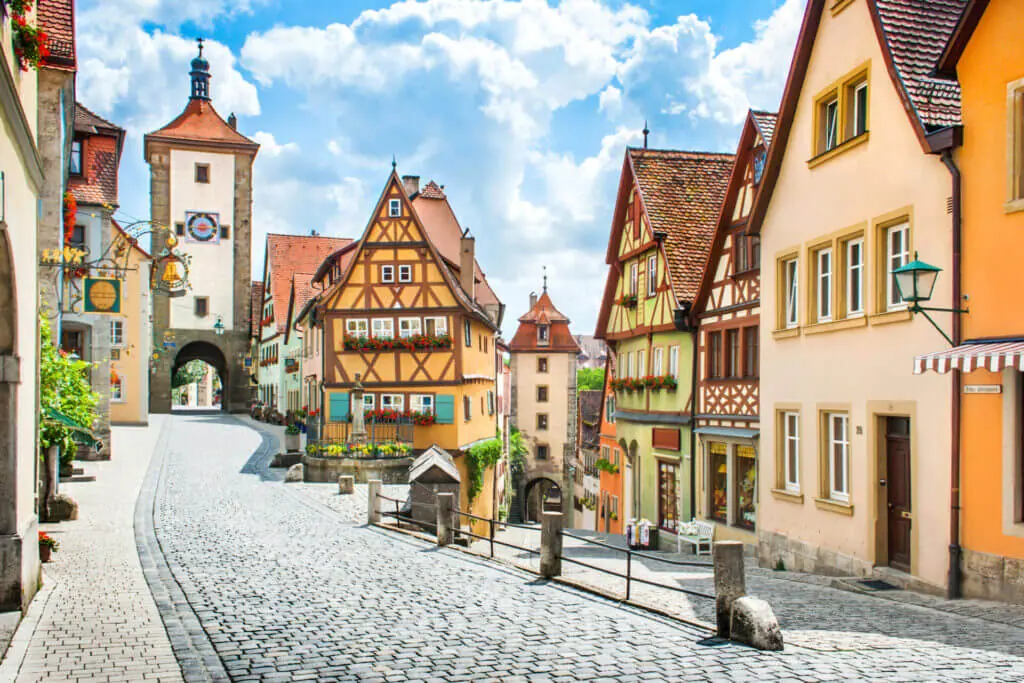
How To Budget For Your Trip To Germany
Below you’ll find some of the best tips and tricks to remember when planning a trip to Germany on a budget.
Consider The Cost Of A Tourist Visa
Germany requires most travelers to have a Schengen visa. The Schengen visa allows you to enter many countries and costs €90. However, if you’ve already obtained a Schengen visa for a previous trip, you will be able to use this visa for your trip to Germany (so long as the visa is still valid).
Applying for a Schengen visa is simple, and you can complete the application forms online for convenience. If you are not required to apply for a visa to travel to Germany, you may still require a visa waiver.
You will need to research the documents and information you need to fill in the correct forms, and you can find more information online to help you prepare for the application process.
Establish Your Budget Goals
Many people book their holiday based on recommendations before establishing their budget. However, you can find many unique places that could be cheaper than more famous spots.
So, establishing a clear budget for your German holiday will allow you to plan each facet of your trip with finances in mind. When choosing a hotel, destination, or flight, you will always be able to refer to your budget.
Many people become enthralled with hotels and places to visit when planning their trips. Creating a budget before you search means you can’t simply create a budget around a hotel or destination slightly out of your price range and that you make sure to stick to your Germany budget.


Consider Planning Your Germany Trip During The Off Season
When planning your trip, it’s essential to know that European countries and especially Germany are generally cheaper for travel in the off-season. Typically, Europeans have a vacation season during the summer, which is when they prioritize travel.
Times to Avoid When Traveling to Germany on a Budget
Schools generally break up for the summer, allowing parents to take their children on vacation. So, July and August are pretty much always busier and more expensive. Traveling to Germany around Oktoberfest (September in Munich is INSANELY pricey) and popular music festivals in certain cities will also make your trip more expensive.
Certain cities with famous Christmas markets may be more expensive during the holiday season in December. But other than that, most other months in Germany will be more affordable.
Planning your trip during the off-season will ensure you get a better deal due to the lower demand – and you might even have a little more room for negotiation.
Transportation in Germany on a Budget
There are some VERY important things to know about getting around Germany if you want to stay on a budget. Here they are!
Trains Can Be EXPENSIVE: Book Early or Opt for Other Transport
That’s right, the Deutsche Bahn (DB) train system is incredible, efficient, and high speed… but it comes at a price. If you need to take the train during your time in Germany, book your tickets as far in advance as possible. Trust me on this!
If you need to travel by train at the last minute (but have some time on your hands), consider taking the slower, more local trains to get to your destination. The info booth should be able to help you find more budget routes to your destinations.
For example, instead of taking a 2-3 hour direct train from Nuremburg to Berlin once, we took THREE different, slower, crowded trains for 7-8 hours that cost 1/4 the price. It’s all about what you prioritize!
DB also offers weekend tickets and saver tickets at certain times. Check for these during your trip!

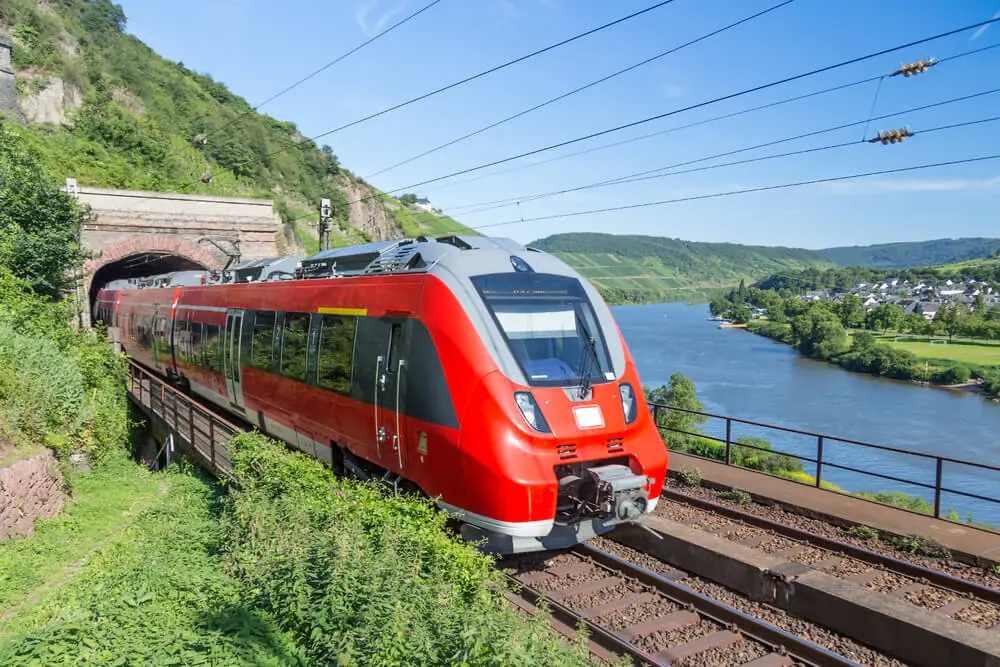
Get Transportation Day Passes or Tourism Cards in Each City
Many/most German cities offer some kind of discount card for transportation or a tourism card that includes many of the main city attractions and transportation for a reduced fare.
When you know your destinations, check if they have any kind of day pass (you can often buy 24h, 48, or 72h passes that include certain things) or tourism cards that include the public transport.
The Berlin Welcomecard is one of the best examples of this and helps you save LOTS on pretty much all Berlin transport and top attractions in the city. The Munich CityTourCard also gets you discounts on 80+ different attractions, restaurants, and transport.
Opt for the Bus
In the last decade, Deutsche Bahn’s hold over German public transport was released, and more room has been made for budget bus companies to fill a long-missing void of cheap German public transport. To truly travel germany on a budget, travel by bus!
FlixBus is the most reliable budget bus company that has many routes throughout Germany. In fact, it touches down in DOZENS of German cities! This may be the cheapest and most convenient way to get around.
Ridesharing is very common in Germany and one of the best ways to save money while traveling in Germany. The app Blablacar allows drivers to upload their trips, and riders to search for trips along their routes. Drivers set the price and riders agree to pickup and dropoff points.
Blablacar is so common in Germany that there are nearly always a few cars going between big German cities, and it is often a similar price to a bus (or cheaper). And you get to meet interesting new people!
Rent a Bike
Bike rental is a fantastic option to save money in Germany in pretty much every city (or anywhere)! Bikes are cheaper than nearly every public transport option as you pay one fee for the whole day and can get around anywhere!
Try and rent a bike for the day rather than renting by the minute/hour to save more money. This way you also get a workout in, save money, AND see more of the city!

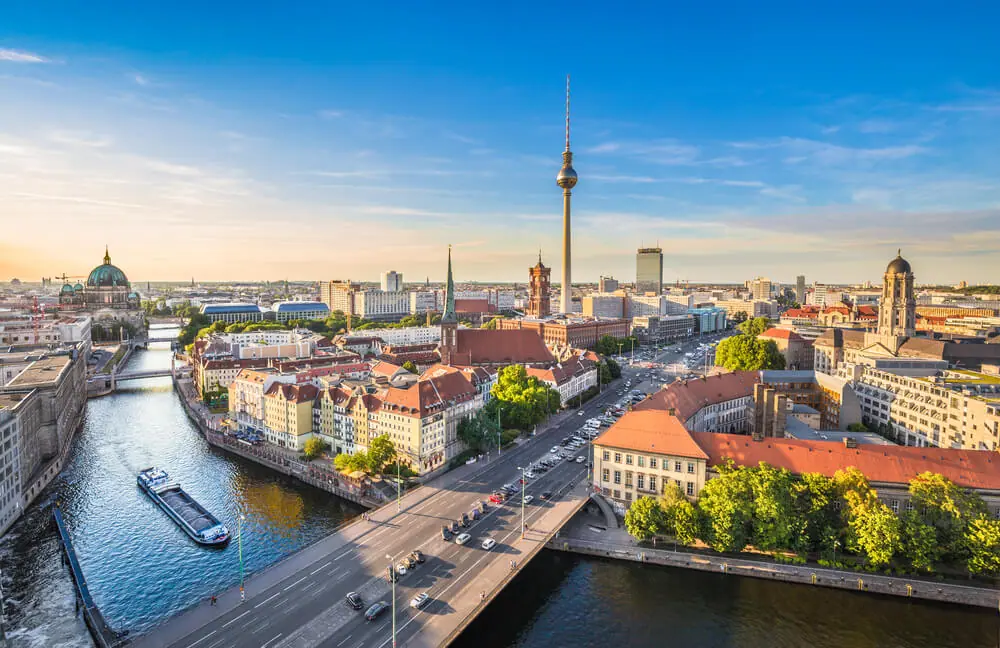
Flights to Germany
The best way to fly to Germany on a budget is to get there with European budget airlines that fly from all over Germany to all over Europe and beyond. Carriers like Ryanair, Easyjet, and Eurowings provide low-cost flights to and from Germany.
As with any flight, booking them as early as possible guarantees the cheapest price. There is also research to suggest that February is the cheapest month to fly into Germany and that Frankfurt and Berlin are the cheapest cities to fly into. Of course, this is in the off-season, but it will make everything else cheaper too!
Choose Red-Eye Flights
Many people prefer to travel during the day and spare themselves an excruciatingly early start. However, choosing a red-eye flight could get you a better deal on your plane tickets.
This option is particularly beneficial if you’re a solo traveler or your family sleeps easily on a plane. Many avoid traveling at night because they often arrive at their destination in the morning, having had no sleep.
If you’re not afraid of an early start and can sleep well on a plane, you could save a lot of money by choosing a red-eye flight.
Get A Travel Credit Card
A travel credit card is a great way to make your trip affordable on short notice. You can spend on your journey now, then pay later. But the way most people use travel credit cards is to rack up points to get free flights or other benefits later. Some cards offer extra points on travel – look into certain airline credit cards, Amex, or Chase Sapphire.
Additionally, when you invest in a travel credit card, you get event more benefits when traveling. For instance, the card might grant you access to special lounges before your flight – which can be a godsend if you get stressed in the bustle of a busy airport. If this sounds attractive to you, consider looking into Canadian credit cards with lounge access.
Some cards can also give you access to free travel insurance, giving you less to worry about during your trip planning!
Use Points + Miles
If you have ever wanted to give travel hacking a try, this would be the time! Many credit cards give you points and miles that you can redeem for travel or flights. Keeping track of and optimizing your points and miles is a great way to budget for Germany or anywhere else in the world too.
Food and Drink in Germany on a Budget
Here are some tips for saving money on eating and drinking during your trip to Germany.


Try to Eat Cheaply
Surprisingly enough, it is quite easy to eat cheaply in Germany and especially in cities such as Berlin. To make sure you are sticking to Germany on a budget, make sure not to eat out every night and to try and either cook your own food or buy cheap takeaway foods.
Surely Germany has some amazing restaurants which are worth trying, but you can get a 5-euro currywurst, doner kebab, or other cheap German takeaway meals on the fly to save money on most other nights. Also, hostels and airbnbs have kitchens, so you can go grocery shopping and cook your own food on other nights.
Drink Cheaply Too
It’s easy to drink cheaply in Germany, but it is also equally easy to spend tons of your Germany budget on drinks as well. Of course, the MOST cheap option would be to stop drinking alcohol if you are on a VERY tight budget for Germany.
But for those of us who want to try the local products (and the German bier of course), try to make sure to drink local products. Local German bier will be the most authentic and cheapest beer around, and there’s even German (and Austrian) wine that should be cheaper than wine from father away.
Head to the local pubs and try their tap beers, or explore around for happy hours in the cities (there are lots)! Drinking in Germany can be very affordable if you plan right.
Bring a Water Bottle: Tap Water Isn’t Free
Although tap water in Germany is very safe to drink, hardly any restaurants will serve it to you. Like many European countries, in Germany you will be charged for still or sparkling water at restaurants.
To get around this small charge that can add up over a course of days or weeks, try to bring your own water bottle everywhere with you while traveling in Germany. You can fill it up at any tap (even at taps in the restaurant if you want to be cheeky) and avoid paying for any water bottles.
Exploring Germany on a Budget
Here are some ways to make adventures a bit cheaper while traveling Germany.
Take the Free Tours in Bigger Cities
Most larger cities in Germany offer ‘free walking tours’ around the city where you can learn ALL about the city, its history, and things to do there and simply give the tour guide a tip at the end with what you thought the tour was worth. Free walking tours are one of the best ways to travel on the cheap and still learn a lot.
However, these guides live off tips, so make sure to tip them at LEAST 5 if not 10-15 euros, which is usually completely fair for a tour that lasts 2-3 hours.
Get a German SIM Card
Depending on where you are traveling from, you may want to get a German SIM card to save on international roaming and data charges. It’s always more convenient to have cell phone service, and getting a local SIM card with a prepaid data amount can help you save money on connectivity and make sure you have data at all times.
Check for Free Museum Days
That’s right, on certain days, many German cities offer FREE admission to museums. In Berlin, this is called ‘museum Sunday‘ on the first Sunday of each month, but the day varies depending on the city. Some Munich museums offer free admission on the first Thursday of every month.
Each city differs but usually has some great deals! Make sure to look them up before you go as you don’t want to miss out on a day of free museum admission that you would otherwise pay for.
Spend Time in the Parks
Germany is known for having AMAZING parks. Nearly every city has fantastic sprawls of nature even within the city, often with lakes, boat rides, remote-feeling trails, and grassy knolls. Make sure to spend some time exploring the beautiful parks in each city as it’s a completely FREE activity.

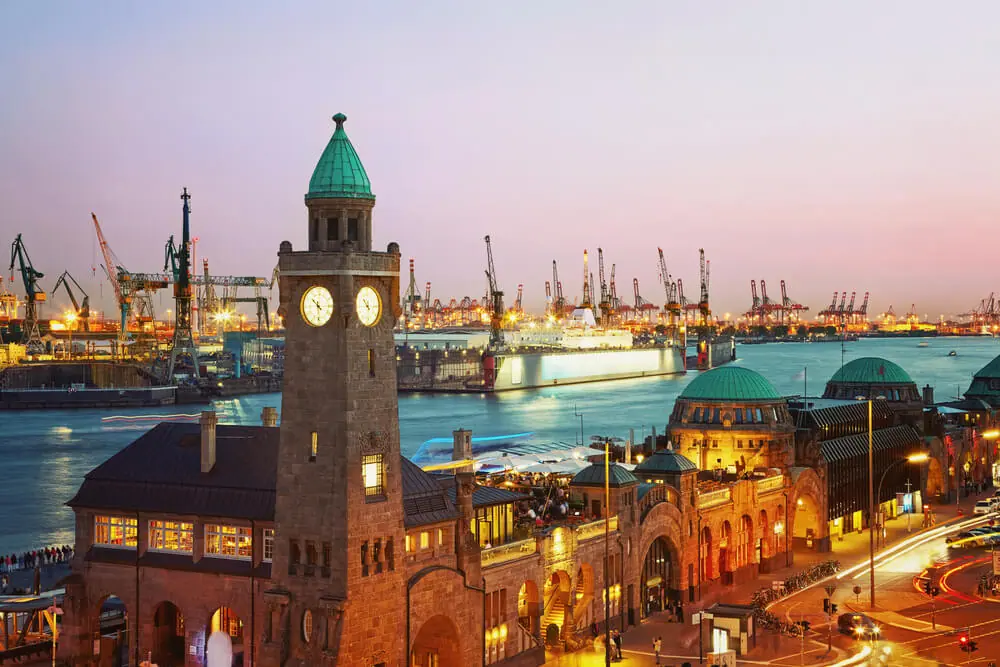
Accommodation in Germany on a Budget
Here are some tips for saving money on accommodation in Germany.
Stay in Hostels/ Budget Accommodation: hostel dorms 10-20 Eur up to 45-55 in peak X
The cheapest accommodation options in Germany are definitely hostels. In the off-season, you can get a hostel bed for as little as 10-20 euros per night! But keep in mind that the very same bed might increase by 3 or 4 times in the summer to 45-55 euros, which is another reason not to travel to Germany in summer.
Hostels are amazing for many reasons, and everyone has much to learn from communal living situations. I couldn’t recommend staying in hostels more for traveling in a budget-friendly and social way.
Book Hotels with Free Breakfast
If hostel life just isn’t for you, try to save money on accommodation in Germany by booking a hotel that includes free breakfast. Having the first meal of the day included in the price on your night’s stay saves you the cost of one whole meal.
Many German hotels offer free breakfast, so keep your eyes out for this as you travel and book.
Forego Housekeeping for Free Drinks + Snacks
Something that MANY German hotels have started doing recently is offering guests the ability to say no to housekeeping in their hotel room in order to receive a free snack or drink per person each day. This helps a LOT with traveling sustainably by saving power to wash lots of sheets and towels, and also gets you, the guest, free stuff!
Guest Houses Can be Cheaper and More Authentic
Oftentimes, guest houses are the most authentic places to stay in Germany as you stay with true locals hosting you in their properties. Guest Houses can also be cheaper than airbnbs as you save on crazy cleaning fees and unexpected charges!
Long-Term Stays in Germany
For those planning a long-term stay in Germany, considering alternative accommodation options becomes crucial. While hostels remain a cost-effective choice, especially during the off-season when rates can be as low as 10-20 euros per night, the dynamic pricing in summer and other peak times may pose a challenge for extended stays.
To ensure budget-friendly and social accommodations for an extended period, you might want to explore guest houses, which not only offer a more authentic experience by connecting with local hosts but can also be more economical than traditional lodging options like Rentola.
Additionally, for those seeking both savings and added perks, some hotels in Germany now provide guests the option to decline daily housekeeping in exchange for complimentary snacks or drinks, contributing not only to a more sustainable travel experience but also to an extra layer of hospitality for long-term guests. As you plan your extended stay in Germany, considering these alternatives can enhance both the affordability and cultural richness of your accommodation experience

Save In Advance
To ensure you can afford the best possible trip to Germany, you must plan your trip. Having a long build-up to the holiday will allow you to make some penny-pinching moves to save for your holiday.
For instance, if you could save $300 a month in the six months leading up to your holiday, you would have a budget of $1800. The longer in advance your planning, the more time you will have to save money and ensure your trip is within your financial means.
If you didn’t save in advance, you might need to stay in some hostels or make sacrifices in your spending on dining and activities during your trip. But either way, you will make it work!
Summary
When you plan early for your trip to Germany on a budget, it allows you to save and have the best possible trip. Having a budget before you make your bookings can stop you from overspending. You can also make cost-saving choices, like flying at night to make your travel cheaper!
Make sure to check out Vorarlberg or Graz in Austria if you enjoy Germany!

Passionate, full-time travel blogger with over 230k on social media and 150kMPV blog. Extraordinary photographer with two DSLR's + a drone with a love for capturing candid moments, epic drone shots, and magical compositions. I'm a natural-born content creator originally from California, but I've been on the road for 9 years living, working, traveling, blogging, and photographing my way around the world. I recommend the most amazingly adventurous and unique + boutique travel experiences/stays and helpful products to my audience and write comprehensive guides on my website that have helped millions of travelers so far. I love to inspire people to plan their dream trips, and many readers have given feedback as such. The reach on my platforms continues to soar, especially when combining cutting-edge social content with optimized articles on my high-authority website.