
Australia is one of those places that feels familiar and completely upside down at the same time. The cities are polished and creative, the landscapes are wild, and then there are the little quirks like drive-through bottle shops, birds that sound like monkeys, and iced coffees that are more milk than coffee.
I first came to Australia on a working holiday visa, solo, with a backpack that was too heavy and absolutely no idea what I was doing. Since then, I have lived and worked in Sydney and Melbourne, done farm work in a tiny town in Western Australia, travelled the East and West Coasts, and slowly ticked off every state and territory. There are a lot of things I wish I knew before that first wide-eyed arrival.
If you are planning your first trip, here are the main things to know before going to Australia so you can arrive prepared, not totally confused at the airport, and ready to actually enjoy it with an extra edge on the experience.

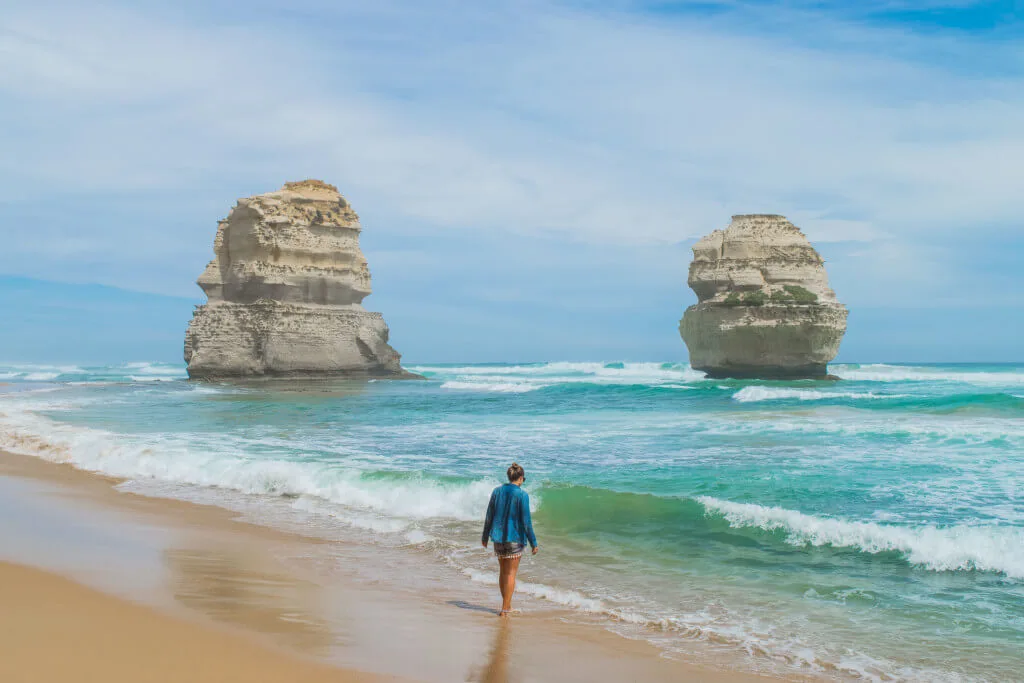
Distances: Australia is Huge, and Distances are No Joke
It looks big on the map, but it still surprises most people how far apart everything actually is. This is not a country where you casually hop on a bus for a couple of hours and suddenly arrive in the next famous city (looking at you, Europe).
Sydney to Melbourne is about an hour on a plane. Melbourne to Cairns is closer to four. Perth feels like its own world entirely- it really is the most remote city on earth. You can drive for hours and see more roadkill than towns. A lot of that space in between is desert, farmland, or bush, with tiny country settlements sprinkled along the highway.
For a first visit, it helps to think in regions instead of trying to “do Australia” in one go. Some classic first time combos are:
- Sydney plus part of the East Coast, like the Gold Coast, Byron Bay, K’gari or the Whitsundays
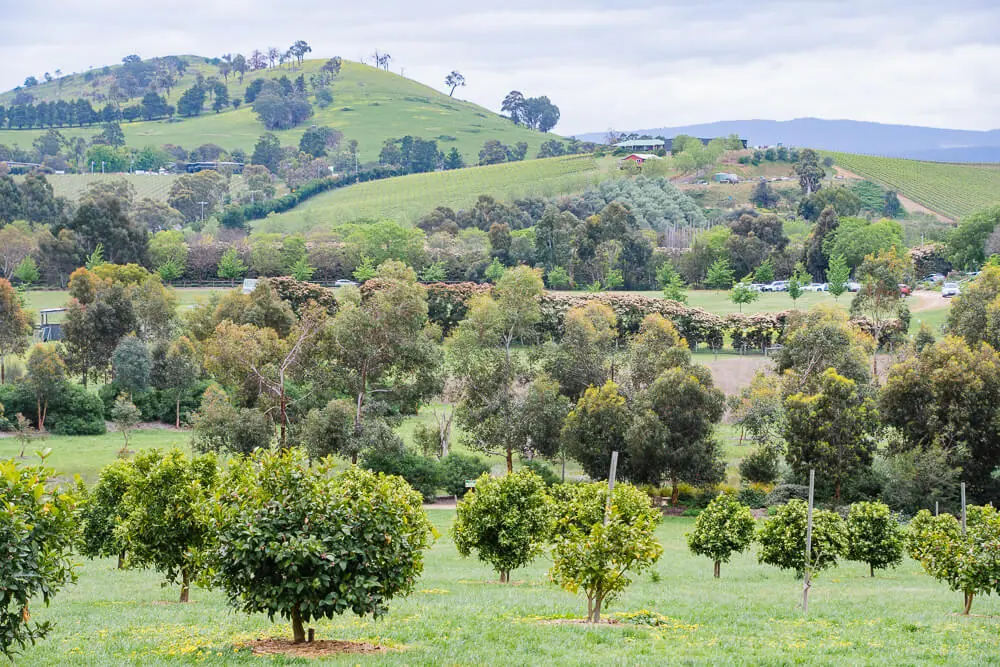
- Melbourne and Victoria, with the Great Ocean Road, Mornington Peninsula and some wine regions
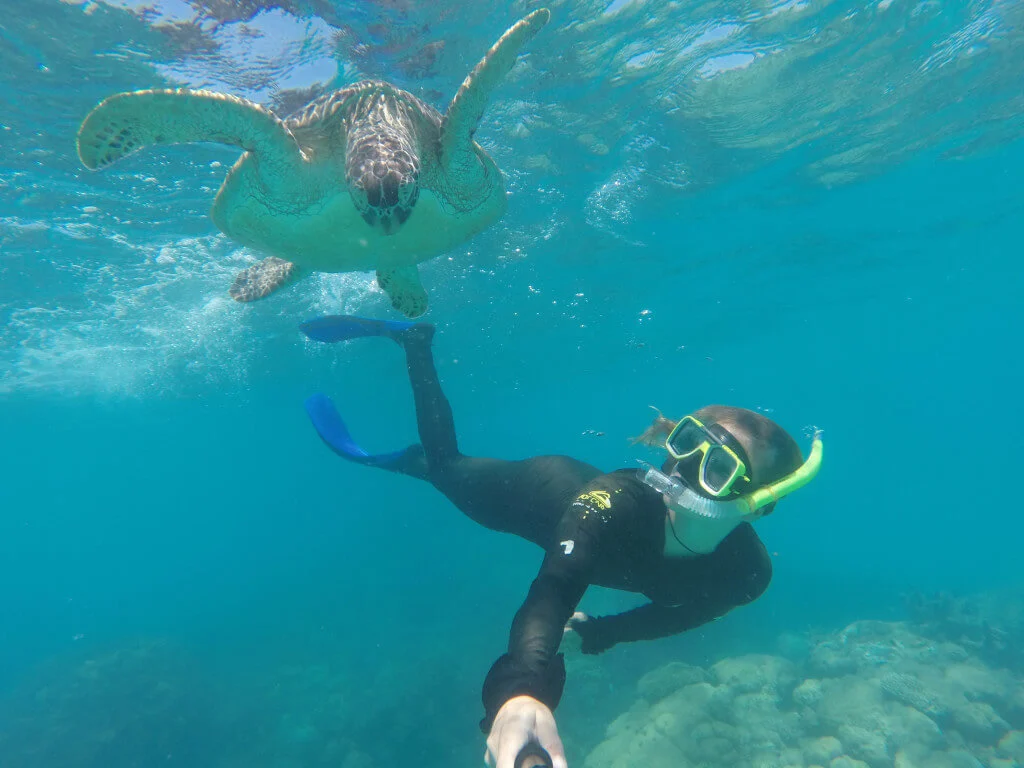
- A city plus one big bucket list experience such as Uluru, the Great Barrier Reef or a sailing trip in the Whitsundays
Pick a focus and do it well… or budget a few months. Your sanity will thank you.

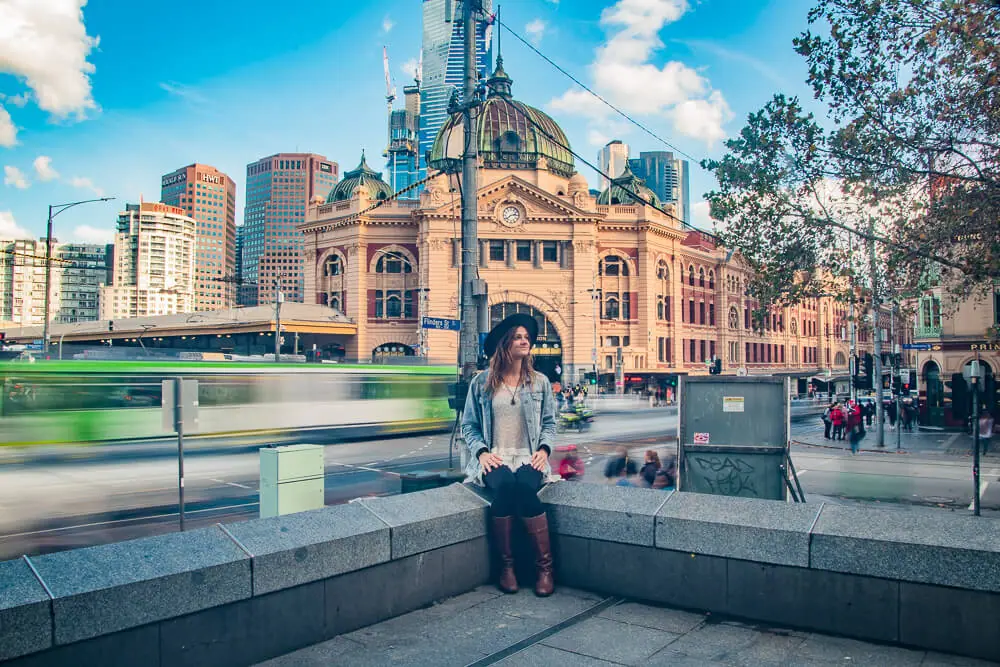
Weather + When to Visit
If you are coming from the northern hemisphere, your brain will need a little recalibration. Summer is roughly December to February. Winter is June to August. Christmas happens during a heatwave, and you might see people eating prawns in Santa hats in the height of summer.
Each part of the country has its own climate pattern.
Melbourne, Tasmania and much of the south have proper seasons and cooler winters. Melbourne, in particular, has a reputation as the “four seasons in one day” city, where you might start with sunshine, get sideways rain at lunch, and finish with a pink sunset over the Yarra. This is not just a phrase, either – I have been blindsided by Melbourne weather more times than I can count. Check the hourly forecast every morning – you’re welcome.
Queensland and the Top End are tropical. Expect hot, humid summers and a wet season, with the best travel windows often in the shoulder seasons.
The Red Centre around Uluru can be scorching in the day and surprisingly cold at night, especially in winter. But summer here is simply too hot.
Check the climate for the specific places you are visiting, not just “Australia” as a whole, and pack according to that. A lot of first-timers may land in Melbourne in July with only beach clothes and regret everything.

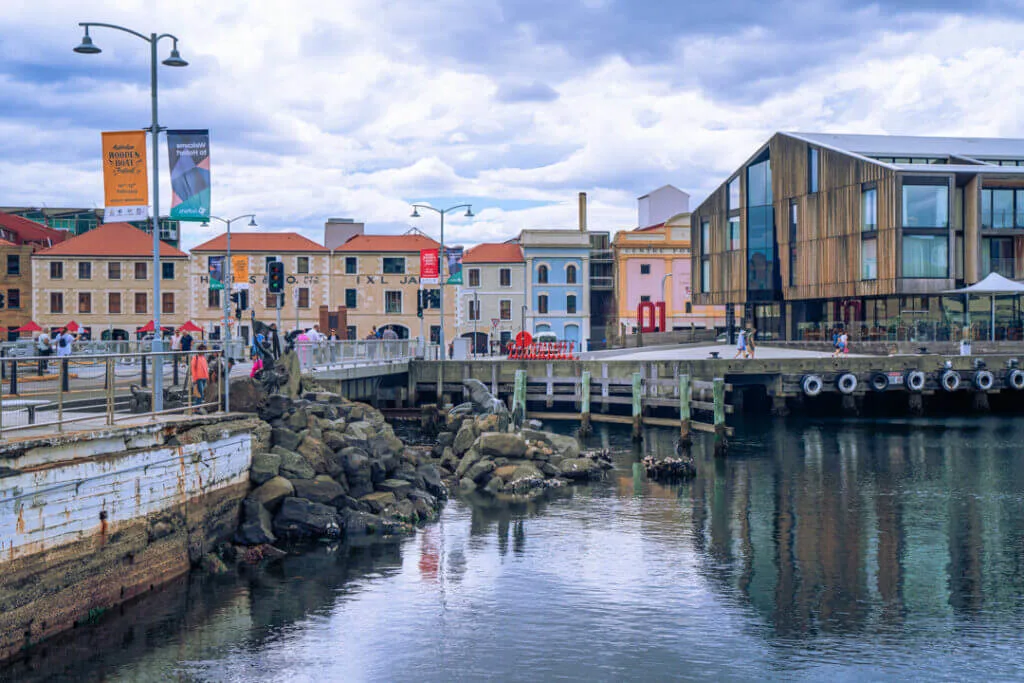
Safety: It is Very Safe, but Remote Areas Need More Planning
Overall, Australia is a very safe country to travel in. Crime is relatively low, the political situation is stable, public transport in cities is safe to use, and the police are generally trustworthy. As a solo traveller in Australia, I never had a bad experience except a junkie or two. I have felt totally fine walking home from trams and trains late at night in Melbourne, ferries in Sydney, and more.
The tricky part is the sheer amount of nothingness between some destinations. If you’re venturing into the outback, driving long highways or visiting islands and remote towns, you cannot assume you’ll have a constant phone signal or fast wifi. Even some very popular coastal spots and islands barely have a bar of service.
Outside the major cities, the internet is still somewhere between “fine if you are patient” and “why am I paying ten dollars for this.” During my first time in Australia, I was SHOCKED by the bad quality of the wifi… It’s improved since then, but it’s still worse than you’re used to. Download offline maps before you leave, keep your phone charged, and do not leave it to the last minute to fill your gas tank. Tell someone if you are heading out on a long drive or hike, and check local advice on conditions.
Money: Australia is Basically Cashless Now
One of the most useful things to know before going to Australia is that you rarely need physical cash. Most people tap their card or phone for everything, from coffee and public transport to market stalls. A lot of places don’t even keep a cash drawer anymore.
Australians are very used to fast digital payments in everyday life, including online tools such as the PayID casino payment method, so seeing PayID or similar options mentioned on Australian payment pages or event ticketing platforms is completely normal. As a visitor, you do not need to use PayID specifically, but you do need at least one working debit or credit card and preferably a backup.
If you want to avoid foreign transaction fees, look into a travel friendly card or bank before you arrive. You can withdraw a small amount of cash for emergencies or markets and then live mostly on tap and go like the locals.

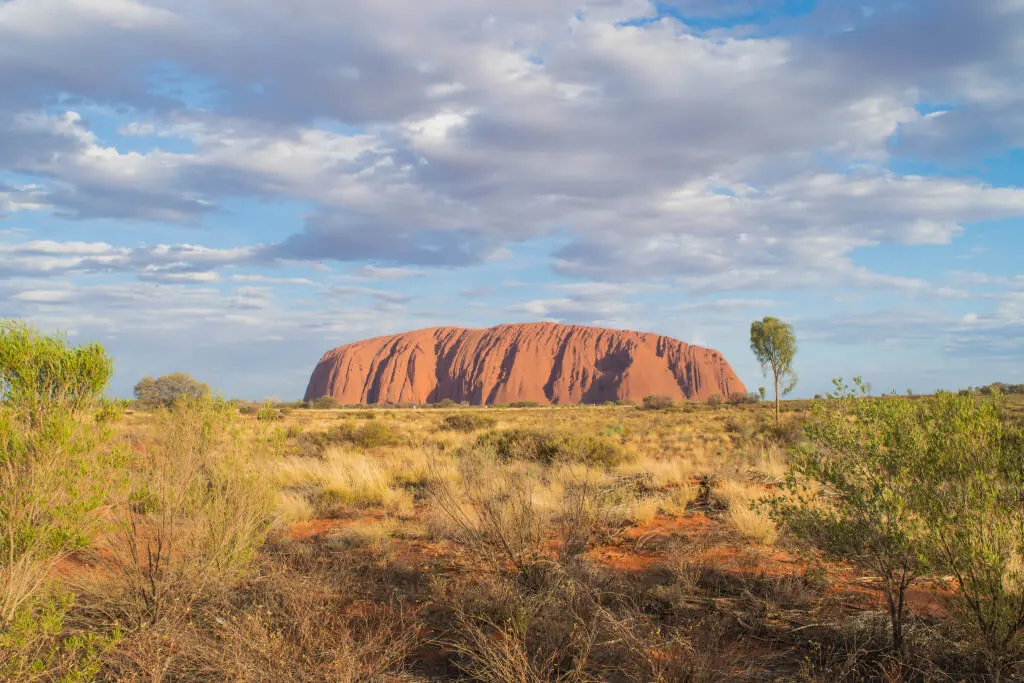
Sun: The Sun is Stronger than You Think
The cliché about the sun being harsher down under is actually not a cliché at all – it’s actually true. The UV index is often much higher than visitors are used to, and it doesn’t take long to burn, especially in summer or near the water. And by that I mean you can burn in 10 minutes here!
Australians grow up hearing “slip, slop, slap” and you will see why when you spend a day at the beach. Pack and actually use sunscreen, hats and sunglasses, even on cloudy days. If you are doing a long coastal walk, a boat trip on the Great Barrier Reef or anything in the middle of the day, reapply more often than you think you need to.
Heatstroke and sunburn can ruin a holiday faster than a lost suitcase.
Visas: Yes, You Need One
Australia is not a “rock up and see what happens at the border” destination. You must have your visa granted before you check in for your flight and the airline will usually ask for it.
Most tourists just need an ETA or a Visitor Visa that allows stays of up to three months at a time. If you are under thirty or thirty-five and from an eligible country, there is also the working holiday visa, which is how I first moved here. That visa lets you live and work in Australia for a year and sometimes extend to two or three if you do farm or regional work.
Whichever visa you go for, apply from home, double check the details on your visa grant email and keep a copy handy (even if just a screenshot on your phone). When you arrive, your visa is electronically linked to your passport, so the officer just scans it and you are in.


Where to Start: Choosing Your First Destination
Most international visitors land in either Sydney or Melbourne and both are great starting points for different reasons.
Sydney has the postcard views. Think Harbour Bridge and Opera House, famous surf beaches like Bondi and Manly, coastal walks with ridiculous scenery and ferries gliding across the harbour at sunset. It has more of a big city meets beach energy. But in my personal opinion, it lacks depth beneath the glitz and glamour – totally worth visiting, but read my comparison to Melbourne below.
Melbourne is the cooler younger sibling. It is full of laneways, hidden bars, street art, festivals, live music and some of the best food and coffee scenes in the country. People are generally pretty open minded and there is a strong backpacker and international community. Melbourne has culture – it’s not glamorous or even that pretty, but the more you get to know it, the better it gets. I have TONS of articles on Melbourne.
Other good entry points are Brisbane or the Gold Coast for an East Coast trip, Perth if you want to explore Western Australia, or Cairns if your priority is the Great Barrier Reef. The main thing is to pick somewhere that makes sense with the rest of your route rather than trying to hop all over the map. And cehck out my favorite beach towns in Australia for reference in planning.
Getting Around: Top Things to Know
Within cities, you will mostly rely on public transport. Sydney has trains, ferries, and buses. Melbourne has trams and trains. Brisbane, Perth and Adelaide have their own systems, usually with tap on transport cards you can get at stations or convenience stores.
Between cities, flying is the move for anything more than a few hours away – trust me. Domestic flights are a normal part of life here. Qantas and Virgin are the main full-service airlines. Jetstar and other budget airlines can be cheaper, but they are strict about baggage and love to weigh a carry-on, so do not be that person sitting on the airport floor repacking into three different bags (she has been me, I have been her).
For regional exploring, renting a car is your best friend. Australia is full of road trips that are much easier by car, like the Great Ocean Road, the Mornington Peninsula, drives around Margaret River and day trips from the cities to beaches, national parks and small towns. Just remember they drive on the left, watch your fatigue and do not underestimate how long distances can take.
If you are here longer term, you will hear about travellers buying vans or cars, driving them up the East Coast and then selling them on at the end of their trip. That can be fun if you have time and patience for paperwork and car maintenance… hr tons of backpackers do it, and there are services to help.

Meeting People on your Travels: Hostels, Tours, and Ideas
If you are planning the trip alone, the good news is that Australia is one of the easiest countries in the world to travel solo. Hostels are common and generally well run, often with both dorms and private rooms, plus common areas, bars and organised activities.
You do not need to be the world’s biggest extrovert. A simple “hey, where are you from” in a hostel kitchen can turn into a Great Ocean Road trip, a day out on the reef or a new festival buddy.
It is also very normal to mix independent travel with a few organised tours. When I first arrived, I did a month long group trip that looped through most of the country. These days there are lots of shorter options too, like:
- Sailing the Whitsundays with a group
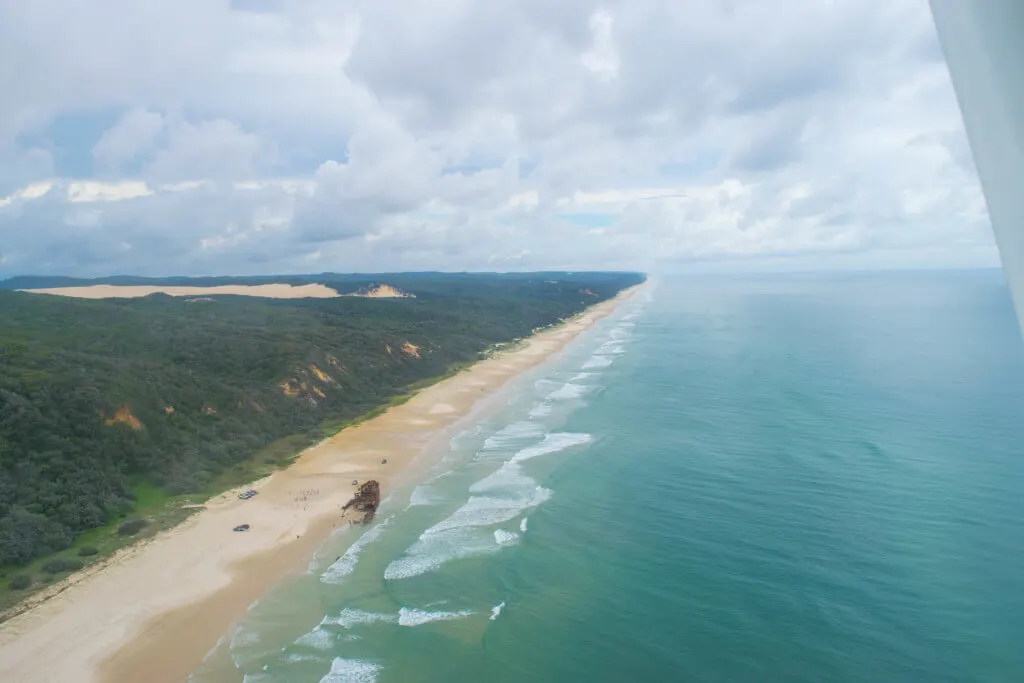
- Fraser Island or K’gari four wheel drive trips
- Day trips to the Daintree or the Grampians
- Wine days in the Barossa Valley, Yarra Valley or Margaret River
Tours make the logistics easy and give you ready made friends. Then you can branch off when you feel like doing your own thing.
Wildlife Reality Check
Australia has a reputation for being full of deadly creatures, which is a slight exaggeration, but you will definitely see some interesting animals.
You will almost definitely see kangaroos at some point, either in the wild, in a paddock or (unfortunately) on the side of the road. Koalas take more effort to spot. You will also hear birds that sound like laughing humans, screaming children or something you are pretty sure is a monkey even though there are no monkeys in Australia. These are kookaburras.
Most of the animals that could hurt you keep to themselves. The main thing is to follow local advice. If a sign says “no swimming: crocodiles” you do not swim – duh. In summer in some parts of Queensland you wear stinger suits because of jellyfish. Wear shoes when walking in bushland and do not stick your hands under random rocks… snakes do exist. In terms of spiders, I’ve seen the viral videos on the internet, but realistically I have only spotted a huntsman in my room once or twice in 3 years.
Otherwise, enjoy the fact that you are seeing wildlife you probably grew up watching in nature documentaries.

Food, Coffee, and Alcohol Quirks
One of the best parts of visiting Australia is how good the eating and drinking can be. The brunch culture is strong. The coffee culture is even more intense. There is excellent Asian food, European food, Middle Eastern food, seafood and local wine regions scattered around the country.
Meals out are not cheap but the quality is usually high. Tipping is not built into the culture the way it is in North America, because hospitality wages are already very strong (hence why people come here to work). People sometimes round up or leave a little extra for great service but you are not expected to add a huge percentage to every bill.
A few little quirks to know:
- You cannot buy alcohol in a normal supermarket. You need a separate liquor store, called a bottle shop or bottle-o
- Some bottle shops have drive through lanes where you literally order from your car
- An iced coffee at a service station (servo) might turn up as a milky, ice creamy situation instead of just coffee with ice (maybe this is just because I’m American, but watch out for that)
If you are on a budget, look out for pub specials. Many pubs have cheap parma nights, burger nights or steak nights with a drink included.
Phone Plans and Wifi
One of the biggest shocks when I moved to Australia was how clunky the internet felt outside the big cities. I had just come from places people love to call “developing” countries where the wifi was faster and cheaper. Suddenly I was paying ten dollars for a few hours of slow broadband in the outback.
Things are getting a LOT better now, but you should still not rely on free, fast wifi everywhere. Buy a local SIM card when you land. Telstra has the best coverage, especially in regional and outback areas. Optus and some smaller providers are fine if you will be mostly in cities and want to save money.
Do not expect giant cheap unlimited data bundles. Most plans give you a set amount of data for the month and then you top up if you run out.

Slang, Plastic Money, and Little Cultural Quirks
There are a few details that catch almost every first timer off guard.
The money is bright, colourful, and plastic. It feels a bit like toy money at firs,t but it is waterproof and very practical if you spend a lot of time near the ocean or pool.
Bottle shops can be drive-through. You will hear the word “mate” used in about six different tones that all mean different things.
Then there is the slang. Australians shorten almost everything and add a friendly-sounding ending:
- Breakfast becomes brekkie
- Afternoon becomes arvo
- Sunglasses become sunnies
- Mosquitoes become mozzies
The first week or two can feel like listening to a different language, but you get used to it, and then one day you catch yourself saying “no worries” and “too easy” and realise it has happened.
Costs and Budgeting Expectations
Australia is not a cheap destination. Hostels can cost anywhere from around $30-$40 to $80-$100+ Australian dollars per night, depending on how nice they are and where they are located. Private rooms and hotels go up from there. A standard meal at a café or casual restaurant might easily sit in the $20–$30 range. Activities and tours add up quickly too.
The flip side is that you are paying for a generally high standard of living and safety. Tap water is drinkable almost everywhere. Public spaces are clean. National parks are well-maintained. Buses and trains mostly run when they say they will.
If you are on a tight budget, plan ahead, chase food and drink specials, cook at your hostel sometimes and choose a few “big” experiences rather than trying to do every single paid activity.

Festival and Event Culture is Huge
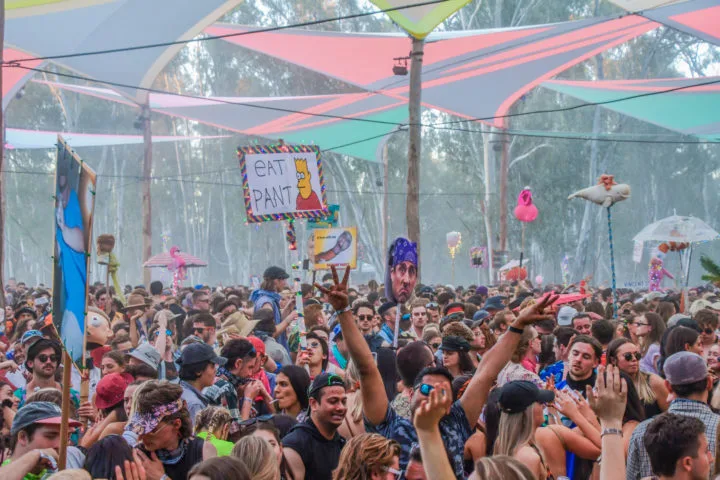
If you love festivals, Australia will make you very happy. There are music festivals, psychedelic bush foods, cultural festivals, and more laid back food and wine events.
Summer and the New Year are especially busy, but there are events all year. Victoria, in particular, has a very strong festival scene, with everything from camping festivals in the countryside to city events in Melbourne.
If your travel dates accidentally land on a big festival weekend, book your accommodation and internal travel early so you are not stuck. If you love planning trips around events on purpose, you will have a lot to work with.
Learning about Aboriginal History and Culture
Long before white settlers showed up, Aboriginal and Torres Strait Islander peoples lived on this land with deep, complex cultures and stories. That history is still very present today.
Many of Australia’s most famous landscapes have strong cultural significance. Uluru is the obvious example, but there are also important sites in places like the Grampians, Kakadu, the Daintree and many more.
When you visit, take the time to read the signs, listen to local guides and support tours and experiences that are run with or by Indigenous communities where you can. It gives you a much richer understanding of where you actually are, beyond the pretty photo spots.

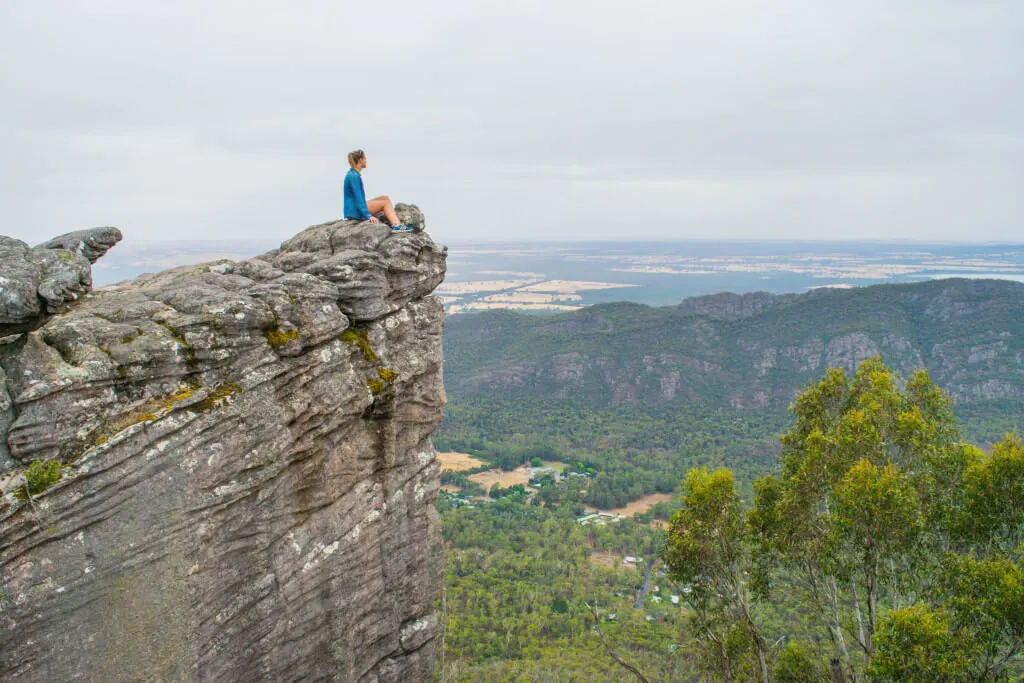
What to Pack for Australia
Your final packing list will depend on where you are going and when, but a few things almost always make the cut:
- Good sunscreen, a hat, and sunglasses
- A light jacket or jumper, even if you are coming in summer
- Comfortable shoes for walking, and at least one pair you do not mind getting dusty or muddy
- Swimwear for beaches, pools, and reef trips
- A reusable water bottle, because tap water is safe to drink in most places
- Any specific toiletries or medications you rely on
If you are moving around a lot, packing cubes and a smaller day bag are handy. If you are planning to take a lot of photos or content, a tripod or remote can be a lifesaver when/if travelling solo.
Final Thoughts on Things to Know Before Going to Australia
Australia is one of those places that rewards you for slowing down a little. The first trip might be Sydney and the East Coast. The second might be Melbourne and Victoria. Maybe you come back again for Uluru or the West Coast or a festival that has been on your list for years.
If you arrive knowing that distances are big, the sun is strong, cards are king, wifi can be patchy once you leave the cities and everything costs a bit more than you expect, you are already ahead of most first timers. The rest you can figure out as you go.
If you have specific questions while you are planning, feel free to message me on Instagram. I am always happy to talk Australia trips.
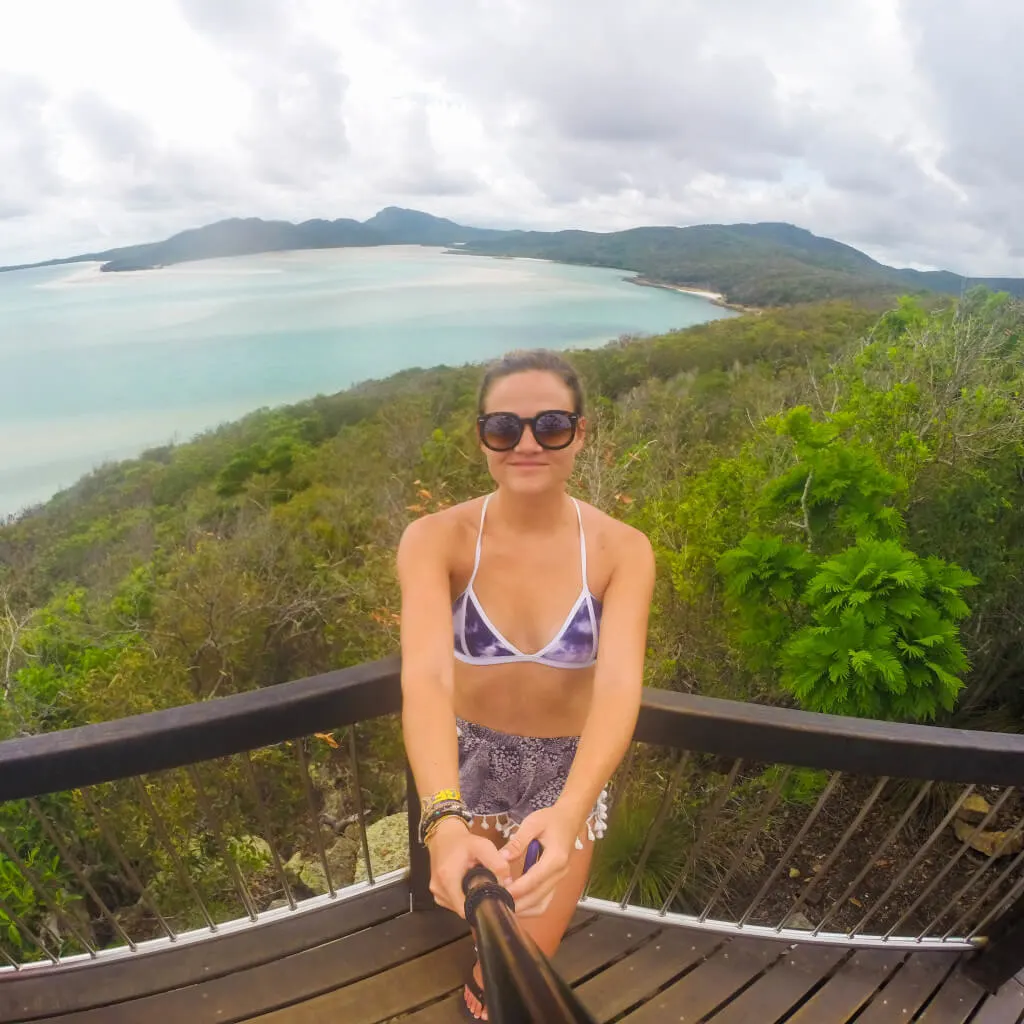
Sincerely, the current Kimmie and the little one below on her first Australia trip in 2015!


Passionate, full-time travel blogger with over 230k on social media and 150kMPV blog. Extraordinary photographer with two DSLR's + a drone with a love for capturing candid moments, epic drone shots, and magical compositions. I'm a natural-born content creator originally from California, but I've been on the road for 9 years living, working, traveling, blogging, and photographing my way around the world. I recommend the most amazingly adventurous and unique + boutique travel experiences/stays and helpful products to my audience and write comprehensive guides on my website that have helped millions of travelers so far. I love to inspire people to plan their dream trips, and many readers have given feedback as such. The reach on my platforms continues to soar, especially when combining cutting-edge social content with optimized articles on my high-authority website.