
Aruba is one of the most popular Caribbean destinations, full of natural wonders, amazing beaches, rich history, and more. But there are definitely some things you should know before you go to Aruba!
Aruba is actually just miles off the coast of Venezuela but is its own island country. Despite its small size, Aruba is a diverse melting pot of cultures, with influences from indigenous Arawak tribes, Spanish conquistadors, Dutch colonizers, and African slaves shaping its rich heritage.
Renowned for its sunny weather and constant trade winds, Aruba enjoys a pleasant climate year-round, making it an ideal destination for beach lovers and outdoor enthusiasts alike. Keep reading for some of the most important things to know before traveling to Aruba!

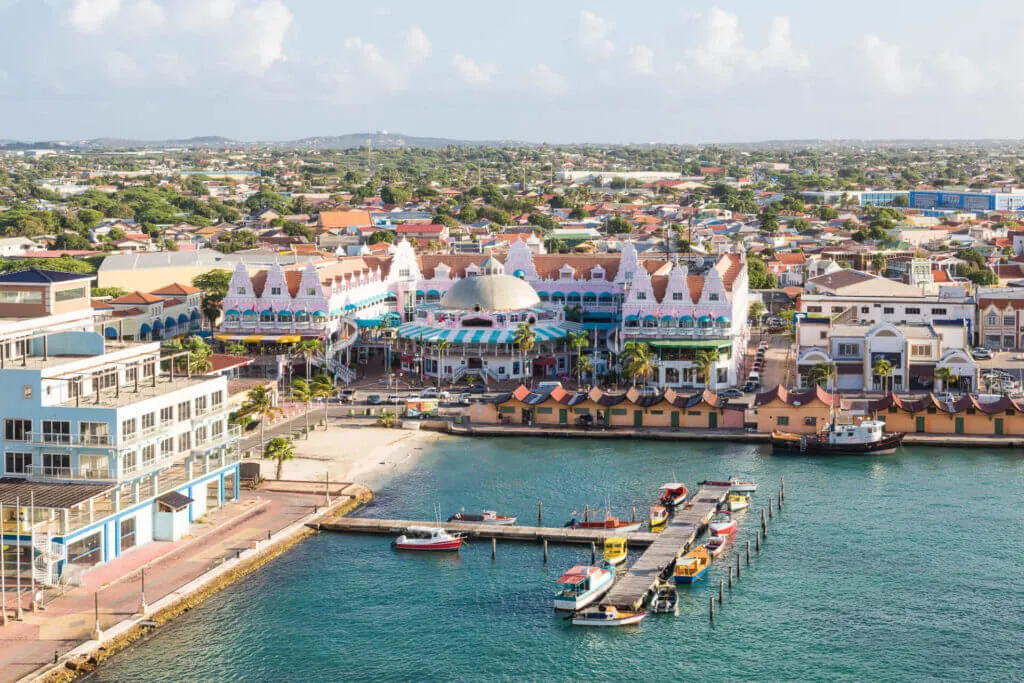
There’s Deep History and Culture in Aruba
Originally inhabited by the indigenous Arawak people, the island was first encountered by European explorers in the early 16th century. Spanish conquistadors claimed Aruba for the Spanish crown in 1499, but the island’s remote location and arid climate deterred significant colonization efforts.
In the 17th century, Aruba became a crucial hub for the Dutch West India Company’s trade routes, leading to the establishment of Dutch settlements and the introduction of African slaves to work in the burgeoning salt industry and gold mines of Aruba.
This era of Dutch rule left an indelible mark on Aruba’s culture and architecture, shaping the island’s identity as a mixture of Caribbean, European, and indigenous influences.
By the 19th century, Aruba’s economy shifted from mining to agriculture and later, oil refining, with the discovery of crude oil off its shores in the early 20th century. The oil industry brought newfound prosperity to Aruba, attracting immigrants from across the Caribbean and beyond.
However, the decline of the oil industry in the late 20th century prompted Aruba to diversify its economy, focusing on tourism and sustainable development. Today, Aruba is celebrated for its untouched beaches, amazing culture, and warm hospitality, embodying the resilient spirit of its people and the enduring legacy of its storied past.
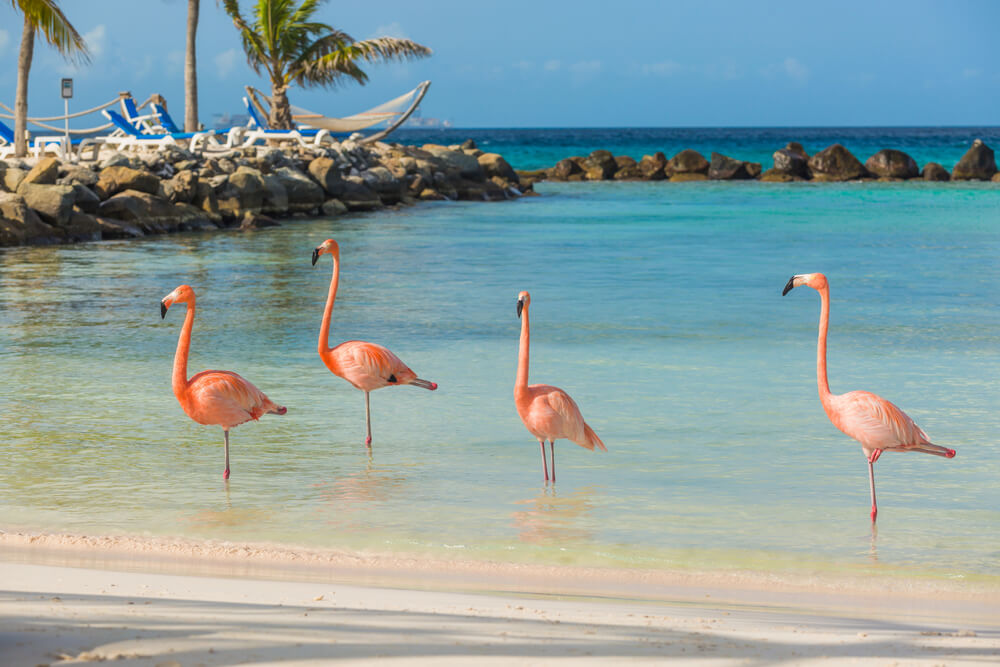
It’s a Tourism Hub
Tourism plays a pivotal role in Aruba’s economy, with millions of visitors flocking to the island each year to bask on its sun-kissed shores and in its colorful culture. According to statistics, Aruba welcomes close to 2 million tourists every year, with the majority hailing from the United States, Canada, and Europe. Many come on cruises, too.
To enter Aruba, all travelers are required to obtain an Embarkation and Disembarkation Card (ED Card), which provides essential information about your visit. Alongside the ED Card for Aruba, you should check whether you require a visa based on your citizenship and the purpose and duration of your visit to Aruba.
Aruba Has its own Code of Conduct
For a laid back and chill island, it may be surprising to learn that Aruba has a code of conduct, but it’s really just in place to protect the island’s unique flora and fauna and pristine appearance.
The code of conduct is visible on the Aruba website and details how visitors and locals alike should behave in regards to interacting with wildlife, heritage sites, and other people, swimming near reefs, dressing respectfully, driving, and more.
It Has Some of the Top Beaches of the Caribbean
Aruba’s beaches are to die for! The Caribbean is full of amazing beaches, but Aruba has some of the very best tucked into one tiny island. Here are some of the beaches you MUST visit on Aruba:

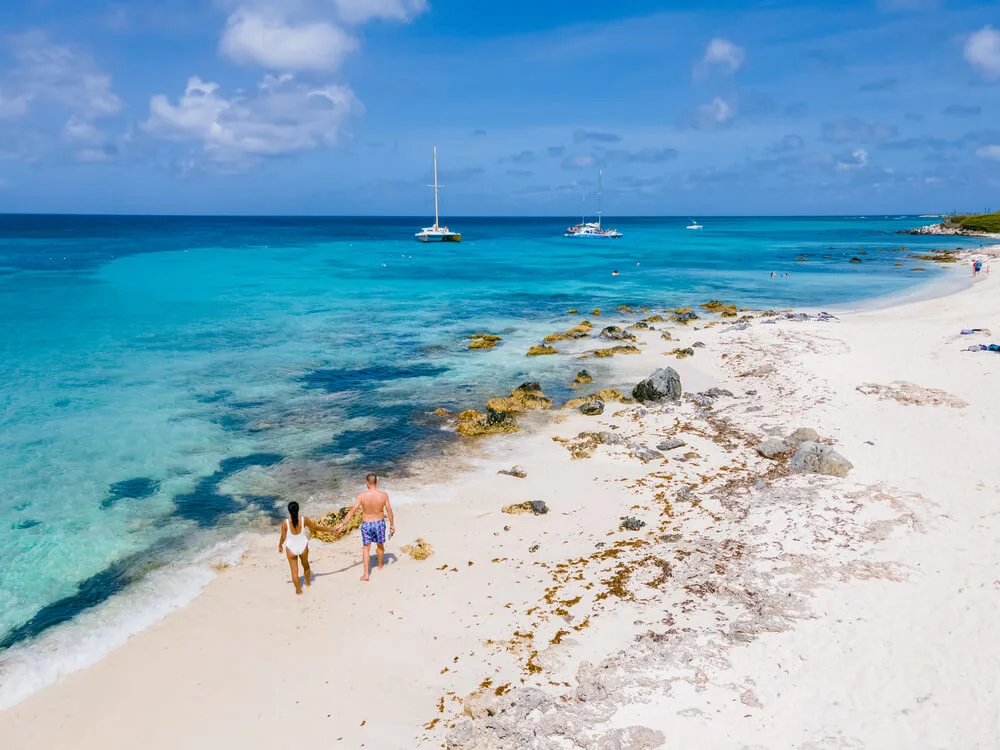
1. Eagle Beach
Named top 49 in the world’s best beaches, Eagle Beach is seriously gorgeous, like what you would imagine when thinking of a perfect beach. Eagle beach is a serene haven along Aruba’s western coast, renowned for its soft, powdery sands and crystal clear waters comprised of every shade of blue. The beach stretches for miles beneath the swaying branches of iconic Divi Divi trees.
2. Palm Beach
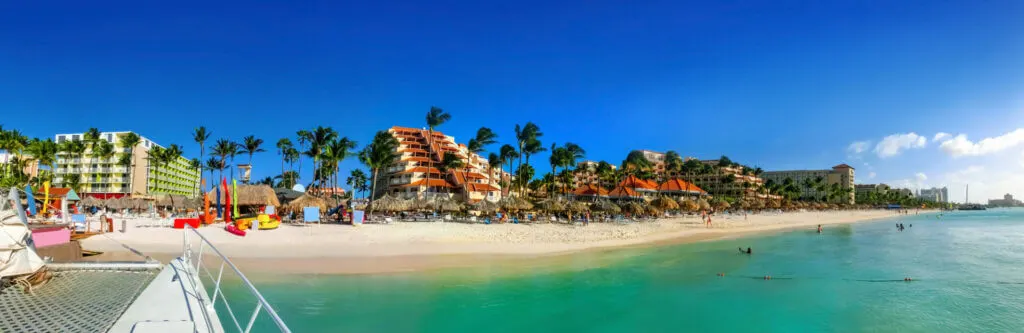
Dotted by palm trees and luxurious resorts, Palm Beach offers a perfect of relaxation and excitement with plenty of beach chairs t relax on and water adventures to be had. Located on Aruba’s northwest coast, Palm Beach is a tropical paradise, attracting visitors with its lively atmosphere and beachfront attractions.
3. Baby Beach
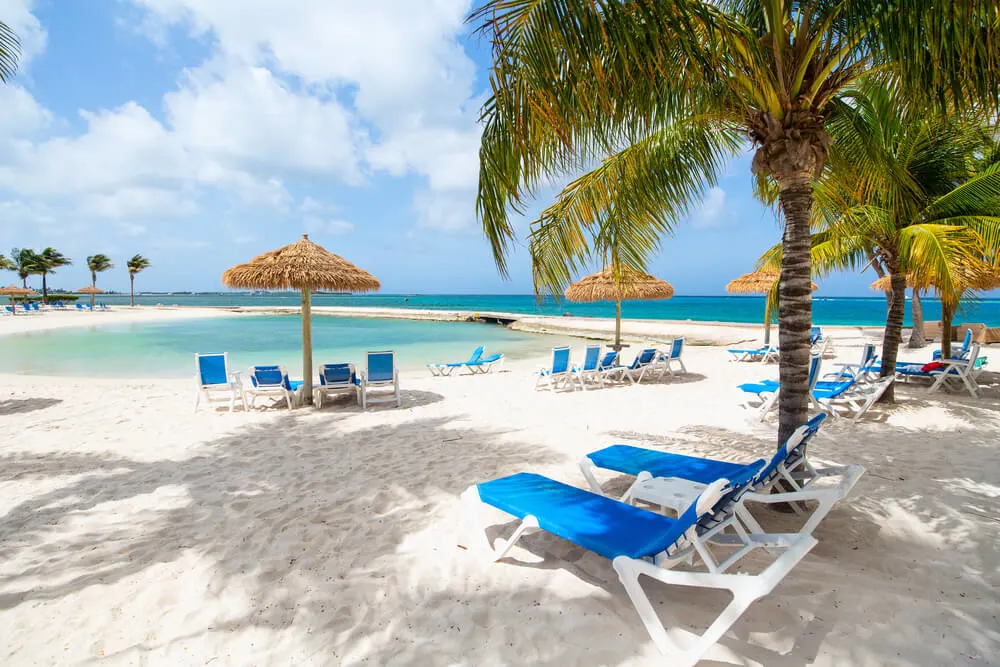
Tucked away on Aruba’s southeastern tip, Baby Beach is a truly serene oasis of calm waters and squeaky sands. It is sheltered by a natural lagoon and surrounded by coral reefs, making it perfect for families, snorkeling enthusiasts, and everyone in between. This shallow, crescent-shaped bay offers safe swimming conditions and abundant marine life.
Aruba is Also Full of Natural Wonders
You may immediately think ‘beaches’ when thinking of Aruba, but the truth is that it’s so much more than that! One of the most important things to know before traveling to Aruba is that you must explore beyond just the beaches to truly make the most of this island.
Below are some of my top recommendations of natural wonders to visit while in Aruba:
1. Arikok National Park
Arikok National Park is a vast expanse of rugged terrain, desert landscapes, and dramatic coastline that spans nearly 20% of the island’s total land area. It’s also home to ancient caves with indigenous rock art to discover and towering cacti forests.
Here, you can hike scenic trails, discover hidden caves, and take breathtaking photos overlooking the Caribbean Sea.

2. Ayo Rock Formations
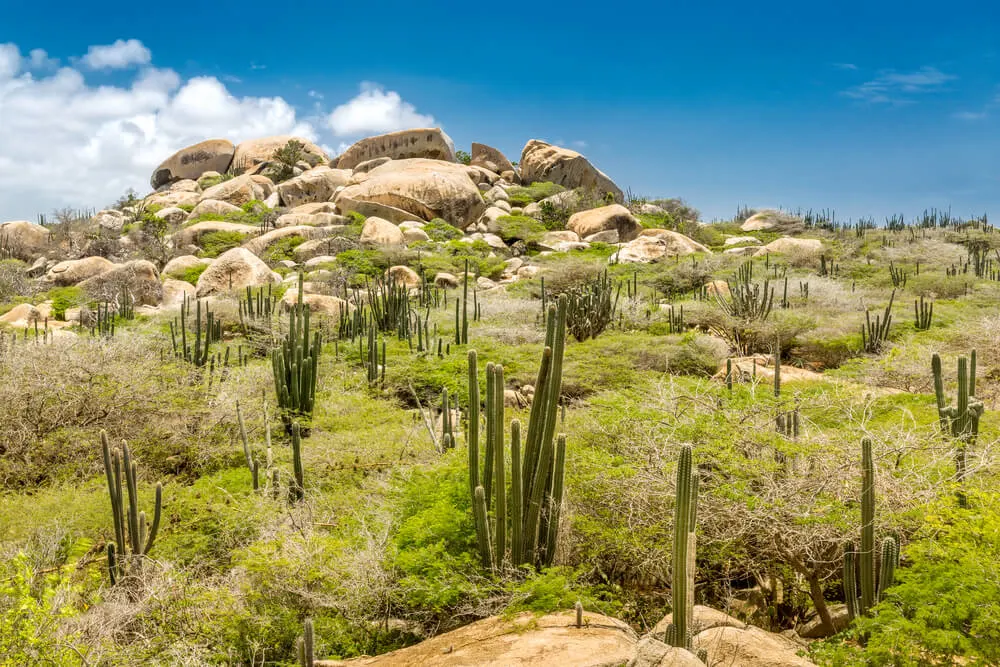
Just in the heart of Aruba’s desert interior (yes, you read that right), the Ayo Rock Formations showcase the island’s unique geological wonders. These massive boulders, shaped by wind and weather over millions of years, rise from the desert floor like ancient sentinels, forming a surreal landscape reminiscent of an alien world or quite similar-ish to Joshua Tree.
You can explore winding pathways between the towering rocks, climb the rocks, and explore the intricate petroglyphs left by indigenous Arawak tribes too.
3. Fontein Cave
Located within Arikok National Park, Fontein Cave is a natural wonder with a high concentration of ancient rock art and limestone formations. This limestone cave system was formed over thousands of years by the erosion of coral reefs, and features intricate stalactites and stalagmites, as well as prehistoric petroglyphs depicting indigenous wildlife and ceremonial rituals.
Guided tours offer a chance to explore the cave’s hidden chambers, and discover the secrets of its ancient inhabitants.
Costs of Traveling to Aruba
Traveling to Aruba can be more affordable with effort, or extremely luxurious depending on how you want to spend your holiday. A trip here, just like anywhere, entails various expenses including accommodation, transportation, dining, activities, and miscellaneous costs. Like many Caribbean islands, Aruba is considered quite expensive by many.
Accommodation options range from budget-friendly hostels to luxurious resorts, with average nightly rates varying from $100 to $500 or more or maybe around $50 for a hostel dorm.
Transportation within Aruba offers choices like rental cars, taxis, private transfers, and buses, with rental car prices starting from $40 to $100 per day. Bus fares are $2.60 for a single ride, $5 for return or $10 for a day pass.
Dining out in Aruba presents a diverse culinary scene, with meal prices ranging from $10 to $50 or more per person, depending on the restaurant and menu selections.
Activities such as water sports, island tours, and snorkeling excursions can range from $50 to $200 or more per person, offering an array of options to suit different interests and budgets. Check the most popular tours on Viator here.
Other expenses to consider include entrance fees, shopping, souvenirs, travel insurance, and gratuities, all contributing to the overall cost of traveling to Aruba.

Getting Around Aruba
As I mentioned above, there are quite a few options when it comes to getting around Aruba. Many like to rent a car, although that’s not totally necessary. The bus line goes between most main areas and beaches for an affordable cost, and the taxis in Aruba have a fixed, government-regulated rate (which is aaaamazing for saving time and money haggling). Walking is also quite east depending on where you want to go.
Currency and Exchange Rates in Aruba
The official currency is the Aruban florin, abbreviated as AWG. However, the $US dollar is also widely accepted and commonly used for transactions throughout the island, although change may often be given in Aruban florins.
Familiarize yourself with the current exchange rates. The rate has kept stable at about 1.00USD = 1.79AWG for quite some time.
While credit cards are commonly used, it’s best to carry some cash for smaller purchases, street vendors, and establishments that may not accept cards.
You Can Drink the Tap Water
Another of the unexpected things to know before traveling to Aruba, the tap water here is indeed drinkable. No need to buy extra plastic bottles or fancy filters, you can safely drink water right from the tap here.
The Best Time to Visit Aruba
Truly, the best time to visit Aruba is whenever you can go. The island’s pristine beaches, crystal-clear waters, and year-round sunshine make it an ideal place to visit at any time of the year. The island does technically have a rainy and dry season, although it’s still beautiful and has plenty of sun any time of year.
The rainy season generally involves morning or evening showers and runs from September through January. Dry season is generally February to August. The lowest cloud cover is in February, so maybe try to plan a trip during that month (especially to escape the northern hemisphere winter)!

Tipping in Aruba
Tipping is not mandatory in Aruba, but it is customary to tip at least 10% for good service (and 15% may be added to bills for groups). There may also be a service charge added to bills, but be mindful that this is not a tip and does not go to your server.
Packing for Aruba
Packing for Aruba is not all too complicated. The entire island is quite casual, and it’s rare you will need anything formal unless you are on a cruise ship having formal night. The weather is warm consistently, so all you really must think about are beach clothes and flowy, loose-fitting clothing for a tropical climate. A rain jacket/shell is also advisable!
There are 2 Official Languages as Well as English and Spanish
This is something many people don’t know before visiting Aruba! Remember when I detailed a brief outline of Aruba’s history above? Well, the official languages or Arube come from that colorful and mixed history… and it’s NOT English (or Spanish)!
The official languages or Aruba are Dutch (due to being a Dutch colony for hundreds of years) and Papiamento, a Creole language with roots in Portuguese, Dutch, Spanishm English, African languages, and more! It’s a real mixed bag, but luckily most people (especially in tourism) also speak Spanish and English.
The Scuba Diving is Great in Aruba
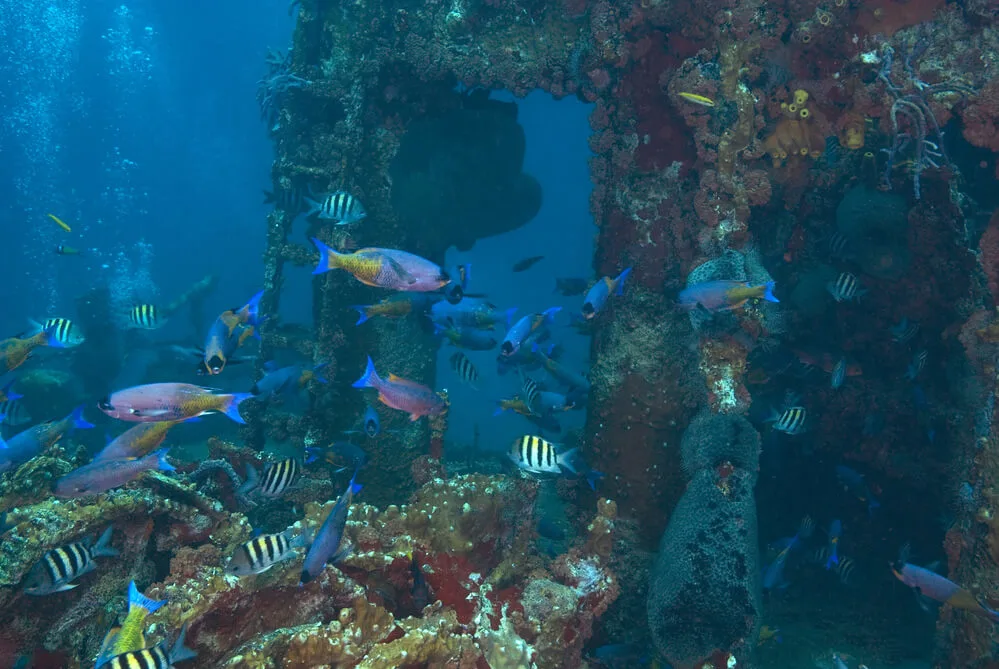
Not only is the scuba diving fantastic in Aruba due to the diverse sea life and clear water, but it’s also home to some of the best wreck diving in the world! The largest wreck dive in the Craibbean is located here (Antilla wreck) and more.

Aruba is Considered Very Safe
Aruba is one of the safest Caribbean islands with a high level of safety. When coming here, you should always exercise a basic level of precaution, but you can feel assured that the safety ratings here are consistently high.
Conclusion
Aruba stands out as one of the most photogenic places in the world, offering an abundance of stunning landscapes, culture, beaches, nature, food, and so many more experiences.
Beyond its Caribbean island allure, there are so many reasons to visit Aruba and explore its wonders firsthand. With its year-round sunshine, top-notch hospitality, and diverse range of adventures to be had, Aruba promises an epic vacation experience for travelers of all ages and interests.
I hope this article has helped with a few of the most important things to know before traveling to Aruba. Don’t overthink it, go discover the beauty and magic of this Caribbean paradise!
(thanks to depositphotos for the images in this post)!

Passionate, full-time travel blogger with over 230k on social media and 150kMPV blog. Extraordinary photographer with two DSLR's + a drone with a love for capturing candid moments, epic drone shots, and magical compositions. I'm a natural-born content creator originally from California, but I've been on the road for 9 years living, working, traveling, blogging, and photographing my way around the world. I recommend the most amazingly adventurous and unique + boutique travel experiences/stays and helpful products to my audience and write comprehensive guides on my website that have helped millions of travelers so far. I love to inspire people to plan their dream trips, and many readers have given feedback as such. The reach on my platforms continues to soar, especially when combining cutting-edge social content with optimized articles on my high-authority website.