
While much of the world deals with proper harsh winters, Australia usually keeps things pretty mild. Depending on the region, life outside doesn’t really stop – surfing, whale watching, and long café visits all stay on the menu year-round. But for where to go in Australia in Winter, it really depends on what you’re looking for – escaping the cold, or finding the most winter-y vibes – and I’ll share a few places for each below.
Temperatures vary a lot across the continent, but plenty of coastal areas stay comfortably temperate through the season (mostly in the North, of course). Some destinations actually come into their own during the colder months, whether that’s because of whale watching season, major festivals, cozy wine weekends, or even skiing and snowboarding in the mountains. The country somehow manages to offer both at the same time.
That contrast is what makes an Australian winter trip so interesting. One week can begin with snow boots in the mountains and end with bare feet on warm sand somewhere in Queensland. No dramatic weather battles, no endless grey skies (well, maybe in Melbourne, but I digress). Just different moods depending on the map.

Best Places to Visit in Australia in Winter if You Don’t Mind Cooler Weather
I’ve split this list into places to go when you are *escaping* winter, and places where winter adds to the vibe (and why). First – places that get cooler but are still, well, cool.
Sydney Feels Calmer in Winter
Summer in Sydney is loud… beaches overflow, restaurants stay packed, and traffic becomes a sport nobody wins. Winter in Sydney is different… life changes rhythm. The city slows down a little, which actually makes it quite a lot easier to enjoy and experience.
Daytime temperatures usually hover between 15°C and 20°C, making it much more comfortable for walking around the harbor, exploring neighborhoods like Surry Hills and Paddington, or spending the day hopping between beaches by ferry. The summer heat is gone, but it’s still warm enough, and the overall pace of the city is slower. Cafés remain busy throughout the day, and the harbour stays active with ferries, all under the clearer, calmer skies typical of a Sydney winter.
Winter is also whale watching season; you can catch humpback whales migrating along the coast between May and November. It’s one of the best times of year to take a whale watching cruise or keep an eye on the ocean from any of the beaches along the coast.
One of Sydney’s biggest winter highlights is Vivid Sydney, when the city transforms into a giant light installation. Buildings around Circular Quay, the Sydney Opera House, and Darling Harbour become illuminated with projections and artwork, drawing visitors from around Australia.
There is also that very Australian mix of beach life and staying indoors once the evening gets colder. After sunset near Bondi, conversations easily drift from surfing and rugby to movies, apps, or even pokies Australia over dinner and drinks. It all feels casual and strangely fitting for a winter night by the ocean.
The Snowy Mountains Surprise Almost Everyone


Not everyone heads north when winter rolls around. If you’re after a cold weather fix, some serious snow time & a ski trip, then Australia’s snow country is a pretty sweet secret getaway. I lived in Aus for a few good years before realizing you can actually ski here – then I went for my birthday, which is usually in the dead of summer!
The snow season runs from June through to the start of September, with ski villages springing to life when that first big snowfall hits. While Australia’s ski fields aren’t as huge as Europe or North America, the laid-back vibe they have feels dead set uniquely Aussie.
Victoria’s Snow Regions
Victoria is home to some of Australia’s most popular ski resorts, and they’re all within easy reach of each other – places like Mount Hotham, Falls Creek & Mount Buller. They are roughly 5 hours from Melbourne.
Mount Hotham is pretty well known for having some of the best skiing going on in the country. Then you’ve got Falls Creek, which is just chock-full of cross-country trails & easy runs for beginners. Mount Buller is also a great option if you’re coming from Melbourne, because it’s really easy to get to.
Even if skiing isn’t really your thing – and that’s okay – the alpine villages themselves are worth visiting for the views, the snow, the mountain scenery, and the warmth of those village cafes & lodges. You can even do an overnight in an igloo in Mt Hotham, which I did ages ago.
Snowy Mountains, NSW
New South Wales is home to Australia’s biggest ski resorts, including Perisher & Thredbo – both of which are in Kosciuszko National Park, home of Australia’s tallest peaks.
Perisher just happens to be the biggest ski resort in the Southern Hemisphere (which is seriously impressive for Aus). Thredbo is a pretty laid-back place with a village that’s got a great atmosphere & the longest ski runs in Australia. And as an added bonus, you’ve also got snowshoeing, winter hiking & some pretty amazing alpine scenery to check out.
Melbourne Has a Real Winter (But Still Vibey)


I feel a bit crazy recommending Melbourne in winter, but I can’t leave it out because this city is a vibe all year round. Melbourne in winter looks like a city inside an indie film.. or an analog camera. Grey skies hang over narrow laneways, cafés smell like roasted coffee beans all day, and everyone wraps up in winter clothes for their evening strolls.
Unlike Sydney, Melbourne fully embraces winter moods. Rooftop bars replace beach afternoons with red wine and heaters. Restaurants become busier. Bookstores feel more inviting. Rain appears unexpectedly, disappears just as fast, then returns again with some wind because Melbourne enjoys having 4 seasons in one day.
This is also festival season in the city. Comedy shows, live music events, film screenings, and more happen in winter; even in the cold, the city stays culturally active and busy. Actually, especially when temperatures fall. I lived there for years, check out my favorite things to do in Melbourne.
Tasmania Feels Like a Different Country in Winter
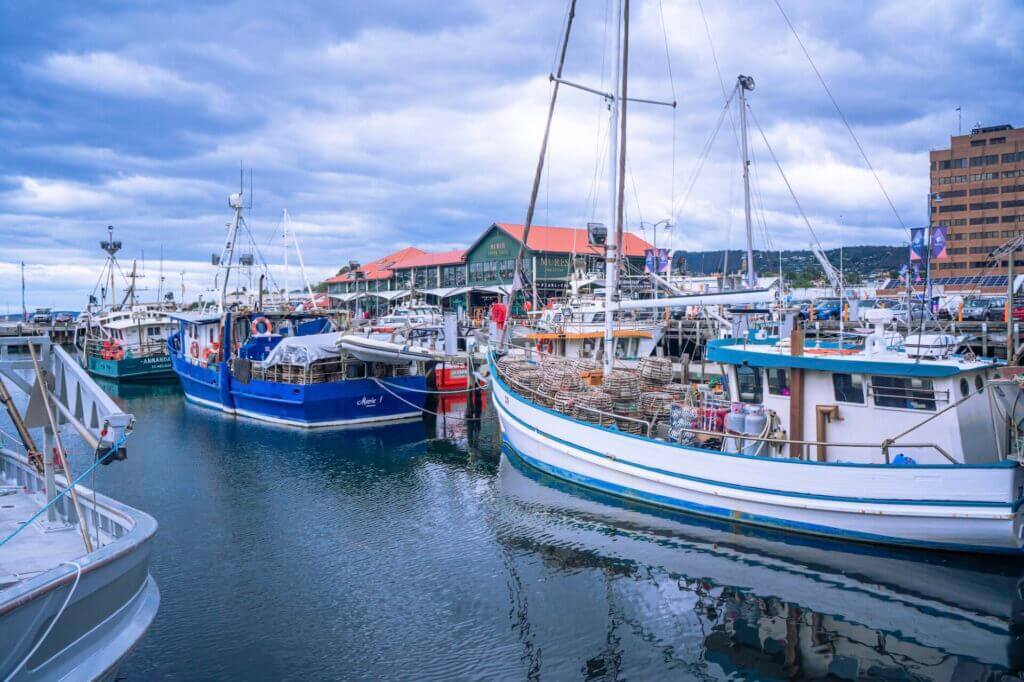
If you’re looking for beaches and warm weather, Tasmania is probably not the answer. But if you want dramatic scenery, cozy pubs, misty forests, empty coastal roads, and an excuse to drink red wine by a fireplace, winter is actually one of my favorite times to visit. It feels a little bit like New Zealand in places and a little bit like somewhere in Northern Europe… which is not something you hear very often about Australia.
Hobart especially comes alive during winter. The city’s small bars and restaurants feel even cozier when it’s cold outside, and it’s the kind of place where you can easily spend an afternoon hopping between cafés, wine bars, bookstores, seafood restaurants, and waterfront pubs without really having a plan.
Winter (well, June) is also when Dark Mofo takes over the city – one of the main reasons I included Tassie on this list. The festival has become one of Australia’s most famous winter events, bringing huge art installations, live music, strange performances, and plenty of weirdness to Hobart each year. Even people who aren’t usually festival people often end up checking it out just because it’s become so well-known everyone talks about it.
And of course, there is MONA. Tasmania’s famous Museum of Old and New Art somehow feels even more fitting in winter, when spending a few hours wandering around one of the strangest museums in Australia sounds like a pretty good way to escape the cold.
Adelaide Is Made for Slow Winter Wine Weekends
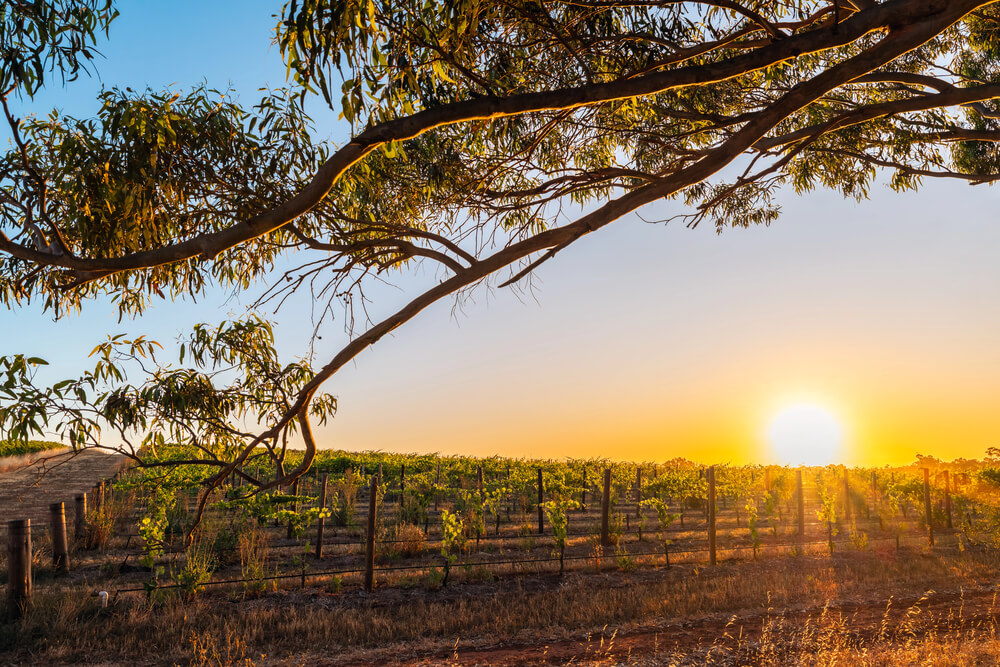
Adelaide isn’t usually the first place people think of for a winter trip, but you may change your mind when you learn it’s a good time for wine! Winter is when South Australia’s wine regions really come into their own, and there’s something very satisfying about spending a cold afternoon hopping between cellar doors, long winery lunches, and pubs with fireplaces in places like the Barossa Valley, McLaren Vale, and the Adelaide Hills. I mean, doesn’t winter in a wine region usut sound magic?
The city itself is known for being much slower and less hectic than Sydney or Melbourne, which makes it easy to settle into – and even easier in winter. You can spend a morning wandering around Adelaide Central Market, an afternoon eating and drinking your way through the city, and then head out to one of the nearby wine regions without spending half your day sitting in traffic.
Winter is also whale watching season along parts of the South Australian coastline, with southern right whales arriving near Victor Harbor and the Fleurieu Peninsula each year in winter (May to October). Between the wine, food, coast, and wildlife, it’s one of Australia’s most underrated winter destinations.
Best Places to Visit in Australia in Winter for Warm Weather
If your goal is escaping winter altogether, northern Australia (literally the tropics) is where you’ll want to focus, of course. June, July, and August coincide with the dry season across much of the tropical north, bringing sunny days, lower humidity, and some of the best weather of the year.
Cairns & Tropical North Queensland Come into Their Own

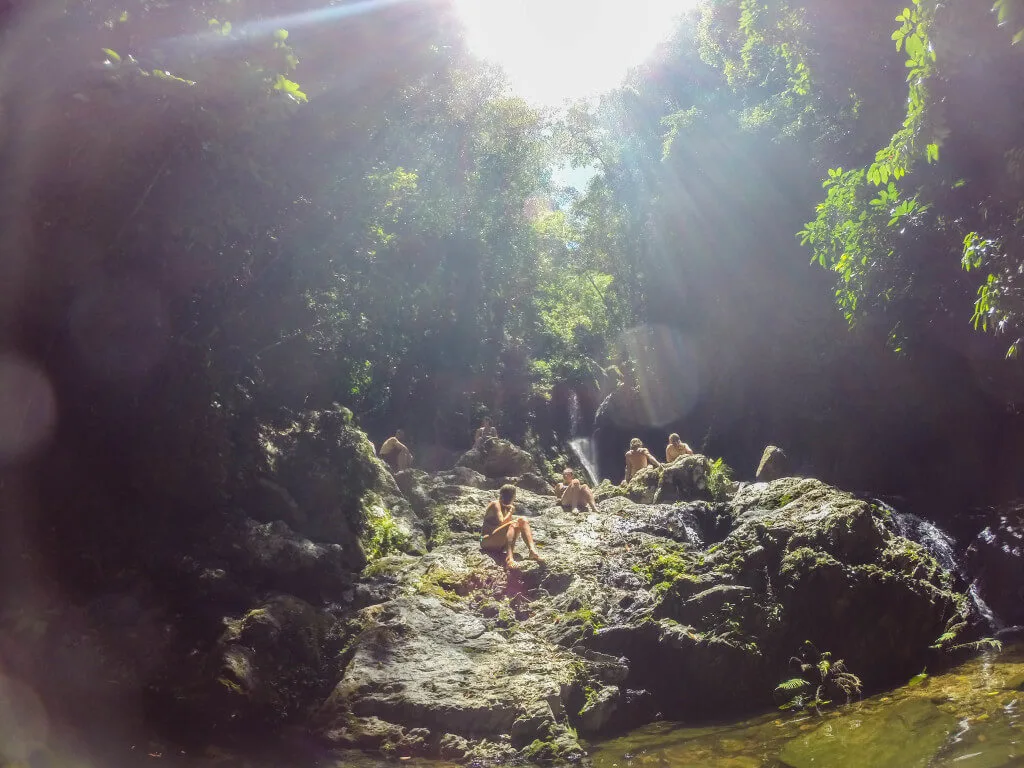
Queensland behaves as if winter never received the invitation. While southern cities cool down, far North Queensland stays warm, sunny, and dangerously tempting.
Cairns really comes alive in winter. The sticky heat finally calms down (which is huge), the air feels lighter, and spending the whole day outside and doing outdoor activities suddenly becomes enjoyable instead of exhausting. It is also one of the best times to visit the Great Barrier Reef (the visibility is higher in winter, diving conditions improve, and the heavy tropical rains usually stay out of the picture) and the Daintree Rainforest (hiking is less humid and more fun).
A winter trip to Queensland often turns into a cycle of early morning beach walks and attempting to chill but somehow ending up on a boat, hiking trail, or island tour anyway. The weather simply makes inactivity difficult!!
Darwin is the Quintessential Tropical Aussie Destination
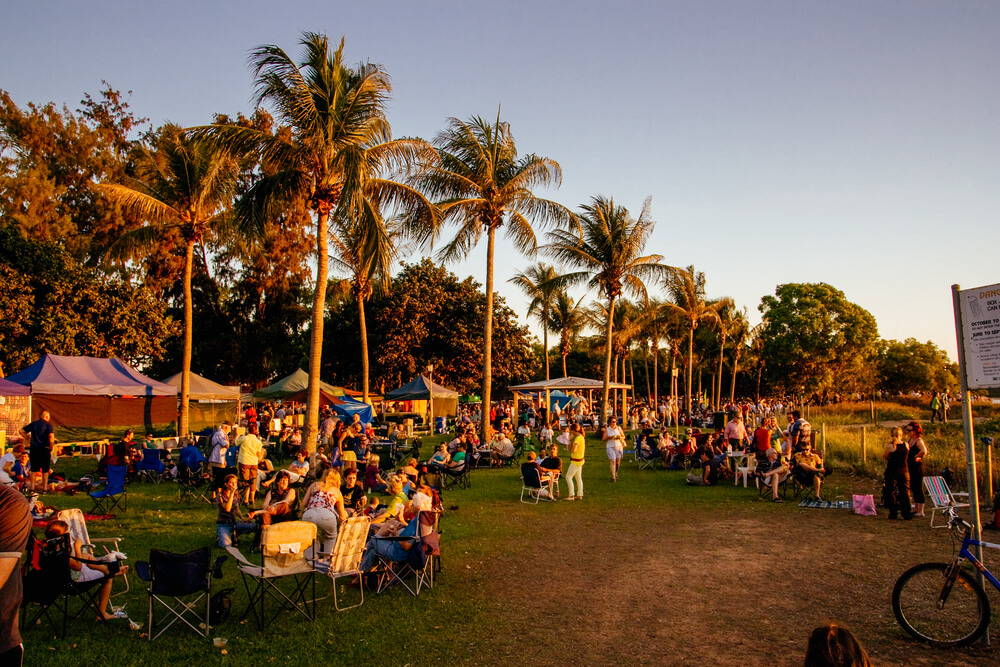
Darwin is one of Australia’s most seasonal destinations, and the time you’re going to want to visit is in winter. The dry season brings warm (but not insanely hot/humid) days, blue skies, and virtually no rain, creating the ideal conditions for exploring Kakadu National Park, Litchfield National Park, and the city’s famous waterfront.
It’s also when events like the Mindil Beach Sunset Market are in full swing, with locals gathering for food, drinks, and sunsets over the Timor Sea. Darwin is like Australia’s uniue tropical vacation – somehow still very quintessentially Aussie, but different than what you would expect anywhere else in the country. Don’t forget to watch out for crocs!
Broome Is One of Australia’s Best Winter Escapes
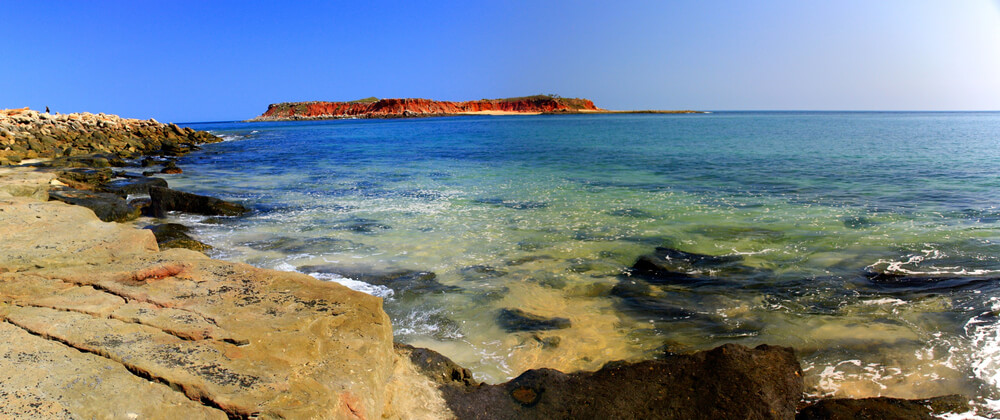
If somebody asked me where to go in Australia for guaranteed winter sunshine, Broome would be very high on the list. While much of the country is pulling out jackets and complaining about the cold, Broome is sitting up in the far north of Western Australia doing its own thing with warm temperatures, blue skies, red rocks, and beach weather pretty much every day.
Winter is dry season here, which means lower humidity like everywhere else up north, and pretty much perfect conditions for exploring. Most people come for Cable Beach, which is famous for its enormous sunsets and camel rides along the sand, but there is plenty more to do if you’re willing to explore a little further. This is also when natural events like Staircase to the Moon happen, where the moonlight reflects across the exposed mudflats and creates the illusion of a staircase leading up to the sky.
Broome also sits right on the edge of the Kimberley, one of the most remote and beautiful regions in Australia known for the insane contrast of red cliffs and rocks along a turquoise blue coastline. If you’ve ever wanted to see dramatic red landscapes, waterfalls, gorges, and places that feel wild, and desert-y rather than super tropical for winter in Australia, winter is the best time to do it.
The Whitsundays Are Even Better in Winter

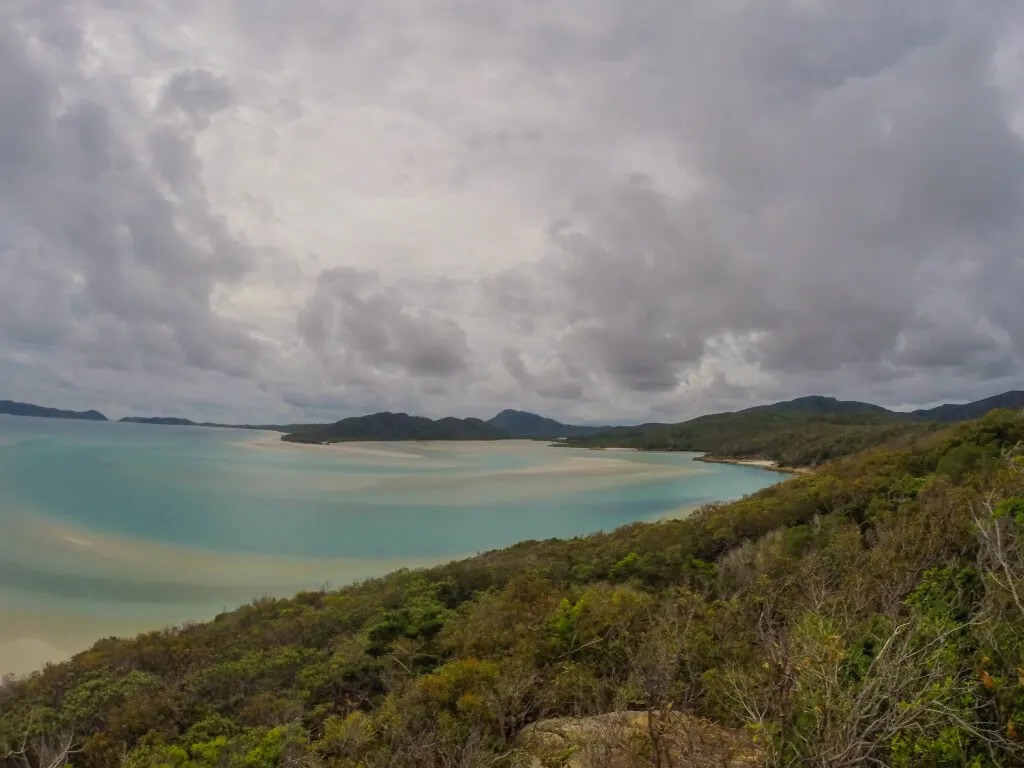
The Whitsundays are beautiful year-round, but I actually think winter is one of the nicest times to visit. It’s a bit farther south so a bit cooler – think 22-23C high temps in the day, which is still lovely. You still get warm weather and plenty of sunshine, but without the intense humidity and summer storms that can sometimes roll through this part of Queensland in summer (are you sensing a pattern here?!)
The Whitsundays are, of course, best known for boat trips and spending a day or a weekend (or a whole week) bouncing around different islands and of course, Whitehaven Beach. Sailing, snorkeling, beach trips, and sunsets are to be expected and enjoyed. You may want to wear a stinger suit while swimming here – even though the main season for stingrays is summer, consult with your tour operator for the best course of action.
Winter here is also humpback whale season, with thousands of whales migrating through the region between roughly June and September. Seeing them breach while you’re out on a boat is an experience you will never forget – and one you can only get in winter!
Exmouth Feels Like Australia’s Best-Kept Secret
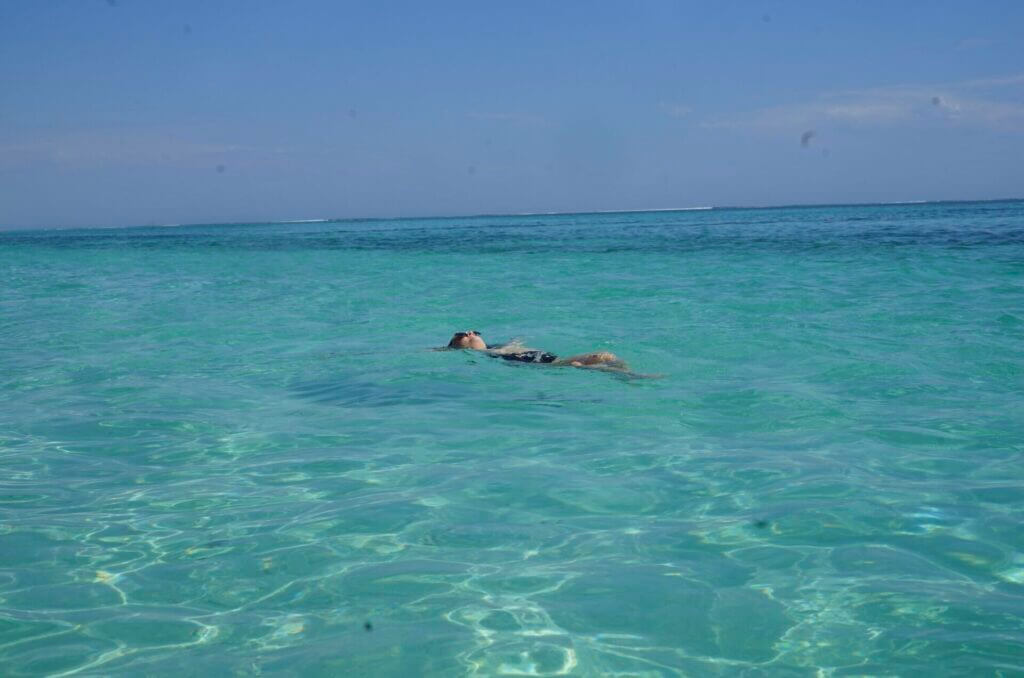
Exmouth has started becoming more popular in recent years, but is still a bit of a hidden gem even among Aussies themselves. Sitting on Western Australia’s Coral Coast, it’s a small, super artsy town surrounded by incredible beaches, rugged landscapes, and some of the best marine life encounters in the country. It draws expats from all over the world in its whale shark season (which begins in the fall and actually ideally runs through winter to the beginning of Spring too) who tend to stay year-round.
Winter brings warm sunny days and comfortable to warm temperatures (around 24-27C highs), making it a perfect time to explore both Cape Range National Park and the Ningaloo Reef. Unlike the Great Barrier Reef, you can actually walk straight off the beach and start snorkeling in most places, which makes experiencing the sea life so much more accessible when you don’t have to plan a tour or get on a boat to do it.
Depending on exactly when you visit, winter can usually mean whale shark season, and also often humpback whale season too, or both. I went in April one year, and vowed to come back to see the humpbacks one day, too. What I love about the whalewatching tours here is that they are heavily regulated and very respectful to the animals, but also have a very high sighting possibiltiy on each tour as they have planes spotting the animals from above.
Australia seems a lot more ‘balanced’ during the winter months with weather throughout the whole, mawssive country. There is snow without unbearable freezing temperatures. Beaches without exhausting heatwaves. Cities without overwhelming tourist crowds. Nature without constant humidity or bushfire warnings. Winter also changes the pace of travel itself – Trips feel calmer, people linger longer in restaurants and cafes, and coastal walks become easier. Even major cities seem less rushed.
So where will you travel in australia for winter? Let me know in the comments below!

Passionate, full-time travel blogger with over 230k on social media and 150kMPV blog. Extraordinary photographer with two DSLR's + a drone with a love for capturing candid moments, epic drone shots, and magical compositions. I'm a natural-born content creator originally from California, but I've been on the road for 9 years living, working, traveling, blogging, and photographing my way around the world. I recommend the most amazingly adventurous and unique + boutique travel experiences/stays and helpful products to my audience and write comprehensive guides on my website that have helped millions of travelers so far. I love to inspire people to plan their dream trips, and many readers have given feedback as such. The reach on my platforms continues to soar, especially when combining cutting-edge social content with optimized articles on my high-authority website.