
Australia is huge – so huge it’s hard to believe it’s only one country. You’ve got rugged coastlines and quiet beaches, tropical rainforest and red-desert nothingness, plus buzzy cities and sleepy country towns all sharing the same map.
Flights and trains are great for saving time, but you’ll skip a lot of the good stuff. The best move to truly experience this vast country? Grab a 4×4 and hit the road. Australia was built for road trips, and each route has its own vibe. Below are some of my favorites – different landscapes, easy detours, and plenty of spots to pull over for a jaw-on-the-floor ‘wow’ moment with views you can’t get anywhere else.
The first time I went to Australia, I road tripped almost a huge lap around most of it… which is probably why I’m such a sucker for Australian road trips. There are a lot of smaller ones you can do, but below I have outlined some true bucket-list worthy road trips that will take you across a state or the country.

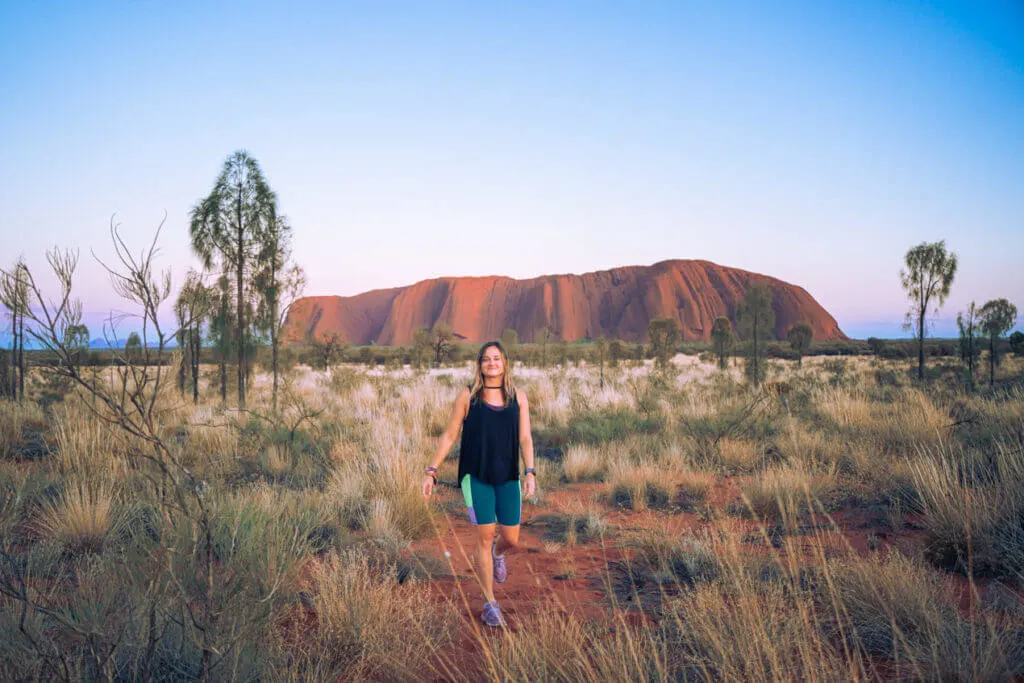
Prepare Before You Do Australian Road Trips
Before we dive right into those all-important routes around Australia, it would be an oversight not to check in with some planning tips and general thoughts to keep on your mind as you prep.
These road trips can be very long and arduous, and whilst they are meant to be enjoyed, they may seem daunting and tough, with some long days that might seem not to change much – but trust me, it’s worth it. The Australian road network is a colossal expanse that requires super solid preparation before tackling. It’s worth considering the following things:
Vehicles For Australian Road Trips
Whilst some of these roadtrips can be managed just fine with a normal run-of-the-mill car, some sections of some of these road trips do require 4X4 cars… and others demand a proper vehicle to ensure safety and comfort.
Making sure that you have the right vehicle to do the road trip you choose is essential. After all, you don’t want to be cramped throughout it all or, even worse, break down in less-than-ideal locations.
How much time you actually need for Australian road trips
Give yourself time. Rushing an Aussie road trip is the quickest way to make it forgettable. Some routes are weekend-able from big cities; the Great Ocean Road and Grand Pacific Drive can fit into a long weekend if you keep stops tight.
The big ones need real days, not stolen afternoons – the Nullarbor, Gibb River Road, and outback crossings. Think a week or more so you can swim the gorges, wait out a weather day, and detour when a local tips you off.
Build buffer into your plan – 1–2 flexible days for closed tracks, slow gravel, or a beach you don’t want to leave. Check season and road conditions (wet season and unsealed roads change everything)… aim for 4–6 hours of driving max per day… and remember: the best stories happen when you’re not sprinting the itinerary.
Entertainment
Long Aussie drives can be gorgeous… and a little endless. Load up playlists, podcasts, and audiobooks before you go – service can be patchy for hours at a time. I also download a few Netflix episodes so there’s something easy to watch at camp or during a midday break.
For passengers, mix it up with car games, offline puzzles, and a couple of casual gaming apps that work without a signal. If you like a little swipe-and-play variety, you can also bookmark Australian online casino instant payout options, which have become increasingly popular in Aussie. These and other phone games work when you’ve got reception – just keep it light and stick to short sessions between wildlife-spotting, and you can get paid out instantly with increased security even on shared camp wifi.
Little extras that help: an aux cable or Bluetooth adapter, a splitter so two people can listen or a portabl speaker, and a power bank or car charger… nothing kills the vibe faster than a dead phone in the middle of nowhere.
Timing
Make sure you know when the best time of year is to take each road trip. You’ll want to avoid stormy seasons, high heat times, and off-seasons where road closures may occur, bushfires may be present, or fewer services are available to you.
Equipment
Australia’s roads are incredible, but they’re not always forgiving. Pack for the “just in case” – extra water in the car (especially in summer or any desert stretch), a full-size spare and jack, basic tools, and enough fuel range to skip a station if it’s closed. Service can be patchy for hours… download offline maps, carry a paper map, and tell someone your route and ETA.
I also keep a small first-aid kit, sunscreen and a hat, a headlamp, and a power bank or car charger. For longer or 4×4 routes, add a tyre repair kit and compressor, jumper cables, shovel and recovery strap, and a few litres of extra fuel where it’s legal. Better to have it and not need it – than the other way around.
The Great Ocean Road (Victoria)


The Great Ocean Road is that perfect mix of easy and epic – close to Melbourne, simple to follow, and wildly scenic from the first bend. It runs about 240 km from Torquay to Allansford, tracing sea cliffs, tucked-away coves, and pockets of rainforest with constant pull-over moments for photos. The road itself was built by returned WWI soldiers, and the Memorial Arch marks their work with plaques and a quick photo stop. It won’t take long to see why this drive is so loved – every corner opens to another sweep of coastline where the ocean smacks into rock in the most dramatic way.
It’s technically doable as a day trip, but I like doing this one as a 3 days / 2 nights trip so you’re not rushing. Base in Apollo Bay and Port Campbell so you can cover the big sights without backtracking. Hit the Twelve Apostles at sunset for that warm glow, then loop back the next morning to the other marquee stops with fewer crowds. Add easy detours like Teddy’s Lookout, a koala spot at Kennett River, and a short rainforest walk at Maits Rest. If you’re a surfer, there are mellow beach breaks along the way – just keep an eye on conditions.
Crowds and logistics matter here, so book stays ahead of time, especially in peak months. Avoid driving at dusk or after dark – the wildlife wakes up and the roads get tiring fast. Pack layers for the changeable coastal weather, charge the camera, and give yourself time to linger where it’s pretty… which, on this route, is almost everywhere.
Due to this trip’s popularity, it is worth checking out some of the best accommodation options along the Great Ocean Road well in advance of your trip to make sure you find the best place to stay for your needs.
The Grand Pacific Drive (New South Wales)

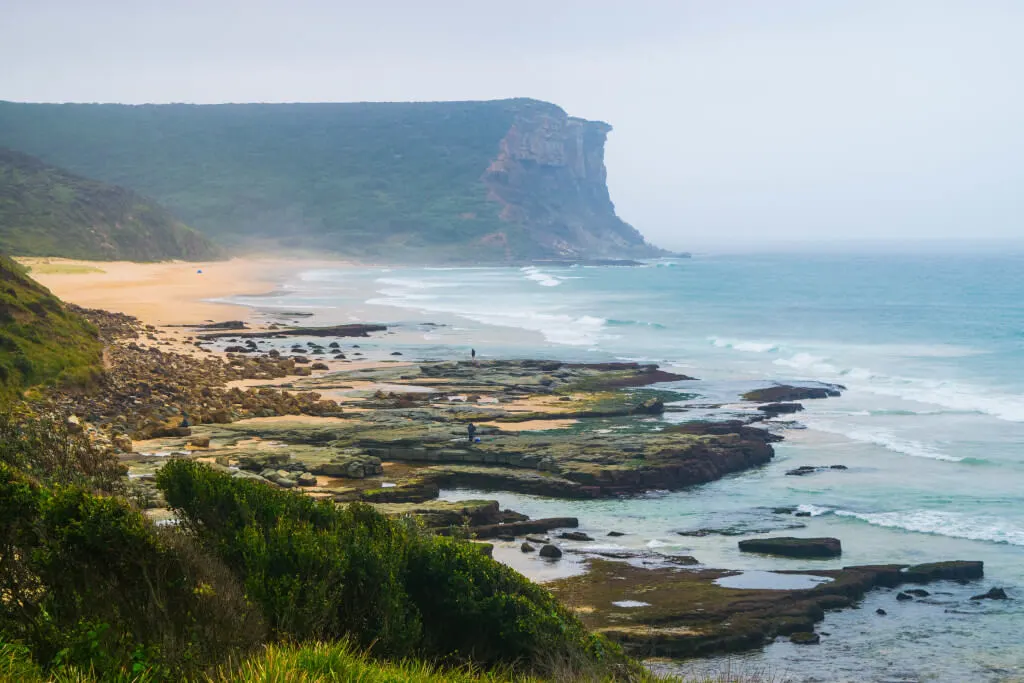
This short yet equally stunning road trip is quite accessible from Sydney and those in New South Wales. The road winds for around 140 kilometres and covers a route heading south fromy Sydney – from Royal National Park (which has amazing hikes I have tried) to the Shoalhaven region at the end. Passing through relaxed coastal towns with fish and chips on offer or refreshing schooners after a long day of driving, this drive is perfect for a quicker and less intense weekend away from the hustle and bustle of Australia’s largest city.
Along the way, travellers can enjoy the natural wonders of the Kiama blowhole that sees ocean spray erupt through the natural rock formations, or the man-made wonders of the floating Sea Cliff Bridge, which will be marvelled at by anyone (not least the engineers amongst us). This bridge curves along the coastal cliffs but remains suspended above the sea whilst doing so, almost like you are floating.
This drive truly encapsulates all of NSW’s beauty in one single trip, but it would be silly not to finish this road trip at the absolutely stunning Jervis Bay, which is just south of the end of the Grand Pacific Drive. This small and quaint coastal town is famed for its white sand beaches and turquoise water that looks like something off a postcard.
The best time for the Grand Pacific Drive is definitely in the spring or summer, when it’s not too hot but still warm enough to have a dip in some stunning spots in the sea.
The Stuart Highway (Adelaide To Darwin)

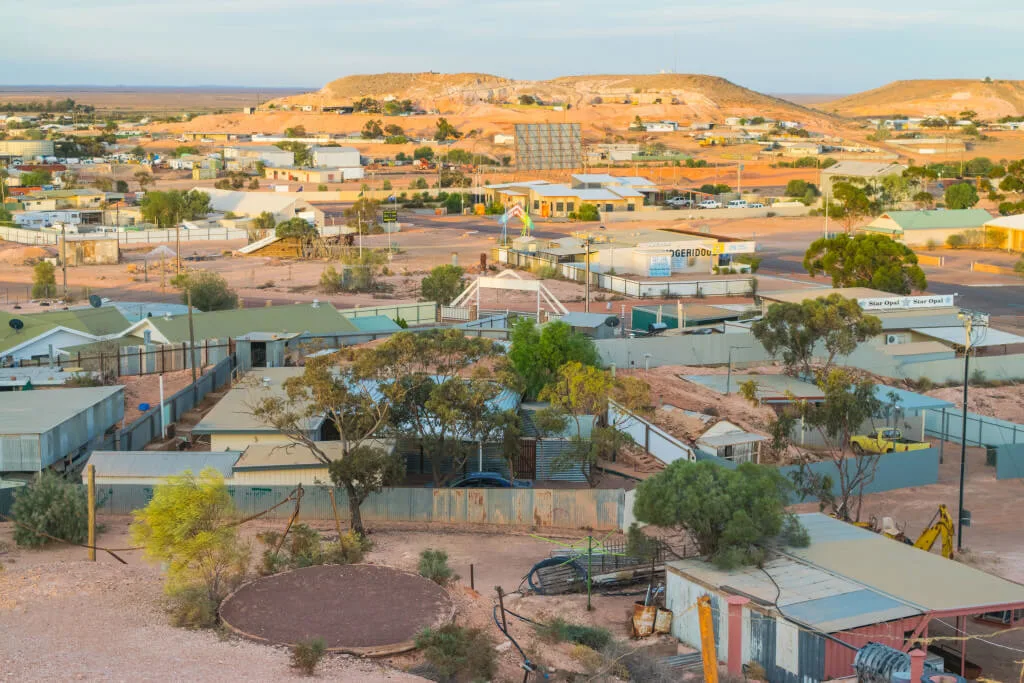
Known as ‘The Explorer’s Way’, this absolute mammoth of a road trip is an epic undertaking, but not one to be missed for the adventurous amongst us. Sitting at a whopping 2834 kilometres, this route stretches from Adelaide in the south of Australia all the way through the very heart of this nation to Darwin on the north coast.
The route was named after the Scottish explorer John McDouall Stuart, who completed this route in 1860. Driving this road will take time, supplies, and energy… but it repays those willing to undertake this expedition with sublime beauty and cultural experiences that you are unlikely to find elsewhere in Australia, or even the world. Whilst some of this route may seem endless and mind-numbing, it is sure to shed some perspective on the true size and scale of this huge nation for those who travel it.
Vast open plains that extend as far as the eye can see are characterised by red desert landscapes that resemble something from Mad Max. But throughout this expanse of endless horizons, this route offers some breathtaking spots to stop and be awed by the beauty.
Coober Pedy, an old opal-mining town where everyone lives underground, is a popular destination, as is the Flinders Range, a formation of ancient rocks. But the real highlight of this route lies just outwith the town of Alice Springs. Standing tall above the flat desert landscape is Uluru. The majestic Uluru-Kata Tjuta National Park is home to this unique rock, which is both a geological wonder of the world and a sacred spiritual site for the Aboriginal people of Australia, who inhabited this region long before any colonial impact.
This unforgettable trip will test endurance, but will also allow you to marvel at the beauty of nature. Some of the best stories come straight out of these trips to the bush and your encounters there. As travellers near the end of the journey, they will be treated to the lush savannahs of Katherine Gorge and Kakadu National Park on their way to the urban hub of Darwin.
Perhaps more of an expedition than a road trip, this trip requires careful planning and preparation to avoid unwanted mishaps. Despite this, this road trip is a chance to explore the real Australia and see landscapes hard to find elsewhere in the world.
Gibb River Road (Western Australia To Kimberley)

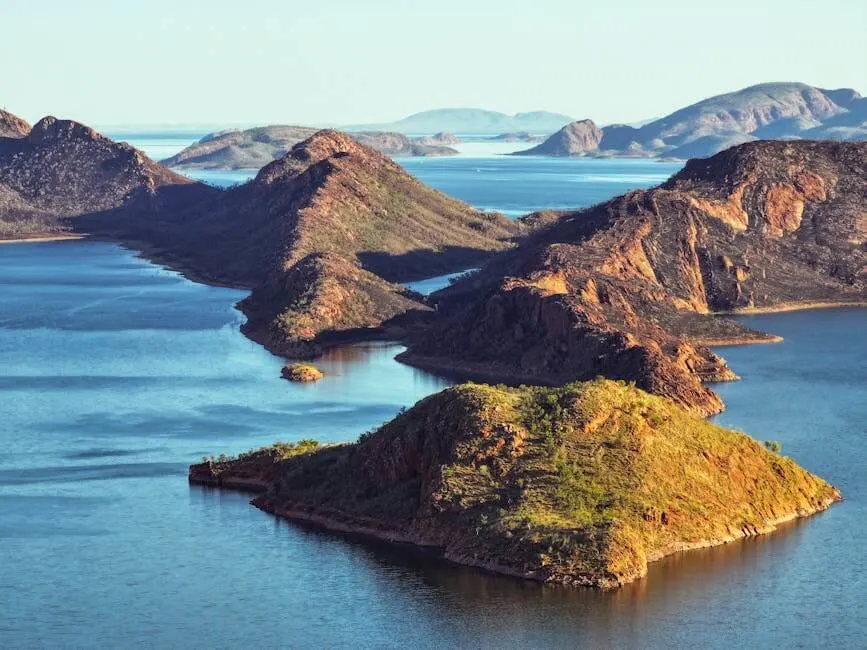
This is one of the routes less travelled when it comes to Australian road trips, but it is certainly not one to miss out on if you are going to make your way to Western Australia. It took me a while to get to WA, as even with my massive one-month Aus road trip, we made it to every state but this one! For many, the allure of the bustle of the East Coast boasts the popularity when it comes to Australian road trips (as it did for me), but this West Coast trip, which spans 600km from Derby to Kununurra, is a great outback adventure not to be missed.
This former cattle route runs through some of the most uncharted and vast expanses of Australia’s landscape. Sandstone ranges, gorges, and crystal-clear watering holes are among the most impressive landmarks that dot this adventurous terrain throughout – and they’re all empty! Bell Gorge, Windjana Gorge, Lake Argyll, and Tunnel Creek are all famous pitstops that travellers tend to drop in at to marvel at the beauty of these natural spectacles.
Camping under the star-filled skies or hiking in the bush is a travelling adventurer’s dream in this part of Australia, where you can connect with nature, spot local animals, and visit ancient Aboriginal sites.
It is worth noting that to do this trip, you will most definitely need a 4WD vehicle, as many river crossings and unsealed roads are part of the route. This also means timing this trip for the dry season can be beneficial, so many aim to enjoy this road trip from May to September. This is a wild trip full of rawness and remoteness that will provide those travelling along the route with memories to last a lifetime.
Eyre Highway Through The Nullarbor (South Australia to Western Australia)

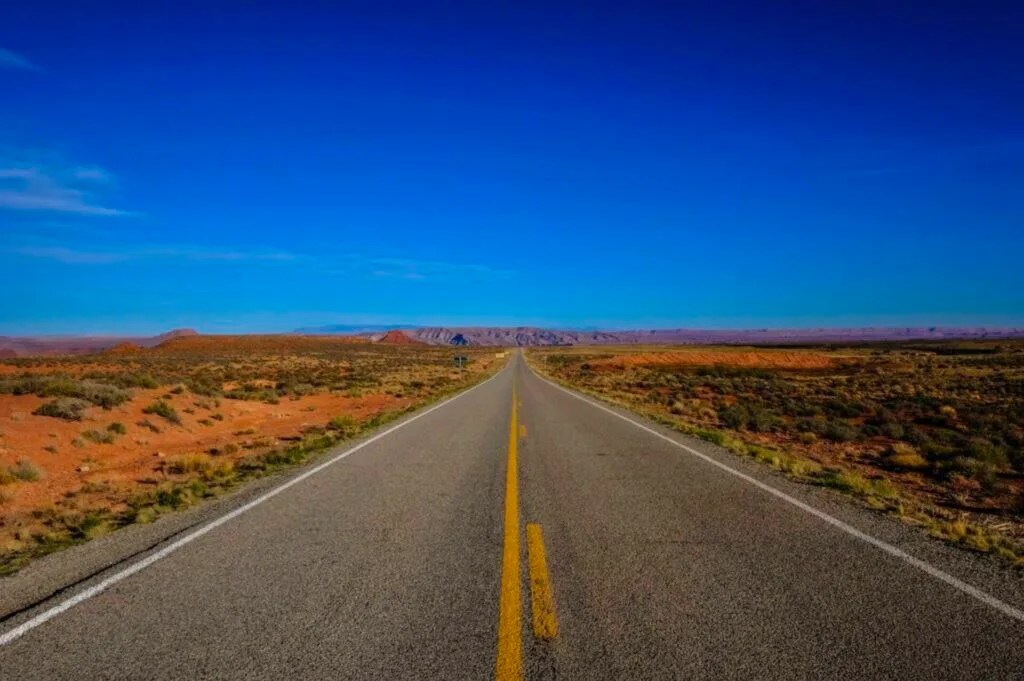
The Eyre Highway is well known for Australian road trips, and for good reason. This road trip that spans 1675 kilometres across the Nullarbor Plain is not for the faint-hearted, but it does offer some of the most surreal scenery in the world.
It runs across the Nullarbor Plain from Port Augusta to Norseman – long, remote, and a little bit hypnotic. You’re crossing one of the world’s largest limestone plains with almost no signs of life, which is kind of the point. Nullus arbor means “no trees,” and yep… that tracks.
People love to say “there’s nothing out there,” but there are solid stops if you know where to look. Detour to the Bunda Cliffs to watch the Southern Ocean chew on the coastline, swing by Lake McDonnell for incredible pink and blue colours, and brace yourself for the 90 Mile Straight (the longest straight road in the world) – 146.6 km without a bend. It’s less dramatic than some coastal drives, but what it does offer is a unique experience of remoteness in this arid landscape, which glows at night under the unpolluted sky above from the countless stars above.
Services are scarce, so plan like a pro. Top up at vital rest stop roadhouses like Mundrabilla and Madura Pass, carry extra water, and watch your fuel range – especially in summer when the heat can get borderline unbearable. Book a bed or a powered site ahead of time, download maps and shows while you have signal, and pace your days. Out here, “boring” turns into meditative if you give it room.
Tasmania Island Loop

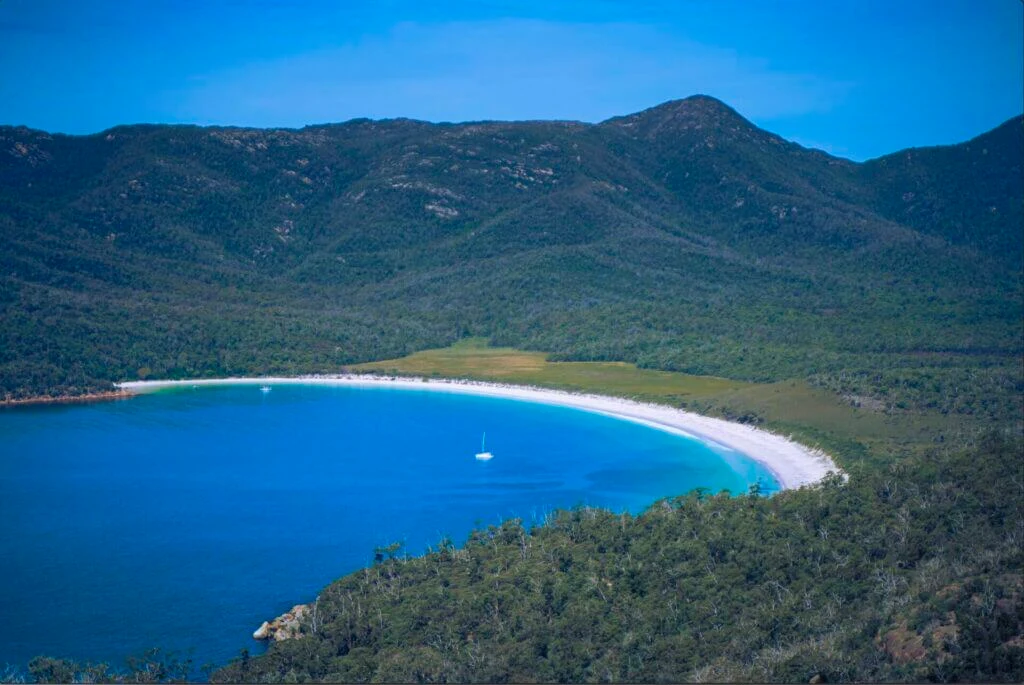
Otherwise known as the Tasmanian Ring Road, the Tasmanian Island Loop is a complete circuit loop road trip of the southern Australian island. The diverse and extraordinary beauty of the island is displayed for all to see throughout this route and showcases just what this island is really all about, with the picturesque hills flowing into the quaint beaches with unique vegetation throughout.
Covering around 1500 kilometres, this road trip is comfortable and can be easily done in around a week during your time in Tasmania. It takes travellers from the beating heart of this island at the charming capital, Hobart, all the way round and back again.
The highlight of this road trip is the Cradle Mountain-Lake St Clair National Park, which offers rugged mountain trails and glacial lakes that you won’t see anywhere else in Australia. The contrasting weather fronts in the East and West mean that the remote wilderness of the West can be experienced before moving into the sun-drenched eastern side of the island to experience the white sand beaches of Wineglass Bay and Bay of Fires.
What is especially of note on this road trip is the brimming culinary and wine scene in Tasmania, which travellers can experience all over the island, particularly in the quaint villages of Strahan and Launceston. Try unreal local wine and seafood that will low key change your life.
The contrast of scenery on this island is stunning, and with the winding roads, you will want to take the pace down a bit and enjoy the trip. However, it is worth noting that Tasmania’s climate is similar to that of neighbouring New Zealand. The island has its own climate, separate from Australia’s, which can shift from a blistering sunny day to a torrential downpour. Keeping an eye on the weather is a must for this road trip to make sure you make the most of all the stops.
To Conclude
These drives stand out as the best road trips to take in Australia because they all offer that little something different, whilst also still encapsulating a true Aussie feel that you won’t find in other countries around the globe. All of these trips offer nature in abundance, culturally important spots, and unique landscapes which make travellers marvel.
The potential for some road tripping in Australia is huge. Making the most of this when visiting this vast and beautiful country is essential, as it truly is the best way to see all that Down Under has to offer.

Passionate, full-time travel blogger with over 230k on social media and 150kMPV blog. Extraordinary photographer with two DSLR's + a drone with a love for capturing candid moments, epic drone shots, and magical compositions. I'm a natural-born content creator originally from California, but I've been on the road for 9 years living, working, traveling, blogging, and photographing my way around the world. I recommend the most amazingly adventurous and unique + boutique travel experiences/stays and helpful products to my audience and write comprehensive guides on my website that have helped millions of travelers so far. I love to inspire people to plan their dream trips, and many readers have given feedback as such. The reach on my platforms continues to soar, especially when combining cutting-edge social content with optimized articles on my high-authority website.