
My advice on solo travel for beginners comes from years of doing it myself, although my first experience traveling alone happened while I was technically traveling with two friends. We were in Europe after studying abroad in 2012, and they wanted to eat, sleep, and spend money, while I wanted to spend as little as possible, try everything, and walk about ten miles a day exploring. You can imagine how well that worked out.
They became closer while I increasingly did my own thing, and honestly, being left out sucked. Those friendships didn’t survive the trip, but the experience had a HUGE influence on how I traveled afterward (and honestly my life from that point forward, as I’m not sure I would have become a solo traveler otherwise) because I realized I could just go and do the things I wanted to do, whenever I wanted to do them, for as long as I wanted. That’s exactly what solo travel is – the ultimate freedom.
Since then, I’ve traveled solo across six continents, including six months in South America, trips around Southeast Asia, lots of Europe and Australia, and an African overlanding trip where I joined a group tour. I love having travel buddies too, but there’s a reason I keep traveling alone, and it has quite a lot to do with not needing a committee meeting to decide what to do that afternoon.


1. Choose a Safe & Friendly First Destination You Can Get Around Easily
For your first solo trip, I’d choose somewhere you’re excited about that also feels manageable – whether because it’s small enough to walk/bike, or has decent public transport and tours. Being interested in the place helps when you’re deciding what to do by yourself, and knowing you can get between your accommodation, food, and the things you want to see saves a lot of unnecessary stress.
It also helps to choose a place known for being more on the friendlier side, has high safety ratings, has plenty of tourism so people are used to travelers, and also that speaks a language you understand (or where most people speak english, which is a lot of places these days).
I would consider places like Melbourne/Australia, Ireland, Lisbon/Portugal, Bali, Thailand, Krakow, Spain (Barcelona/Madrid/cities), Lake Atitlan/Guatemala, Amsterdam/Netherlands, Italy, Croatia, Iceland, Canada, and Costa Rica great places to start that tick most of the boxes, depending on your budget, language confidence, and interests. Research the actual neighborhood and transport options before booking, though; the name of a city tells you very little about how convenient a particular place will be to stay.
Four or five nights in one base is a perfectly good first solo trip. You can figure out how you feel about traveling alone without also figuring out a new bus station every morning, which I think is a fairly reasonable favor to do yourself.
2. Stay Somewhere You Can Actually Meet People
I honestly think hostels are some of the most inclusive places in the world (so much I wrote an article about life lessons you learn in hostels). You can walk up to a table of people you’ve never met, ask to join them, and end up invited on whatever they’re doing that afternoon, which is a pretty wonderful thing when you’ve arrived somewhere knowing absolutely nobody.
And you DO NOT have to sleep in a dorm to get that experience, although dorms are fun and you get used to them eventually. A private room in a social hostel gives you somewhere to shut the door while still having access to the communal kitchen, breakfast conversations, organized walks, and the occasional pub crawl that becomes rather less occasional.
Read recent reviews for the social atmosphere, noise, cleanliness, and beds. A private room matters for sleep, and sleep matters more when there’s no one to share the day’s decisions with. Hostel beds vary a LOT; the good ones have moved beyond thin and hard foam on a metal frame and now use proper mattresses for solo sleepers in their private rooms, which shows in the reviews. Earplugs and an eye mask go in the bag regardless – that’s non-negotiable.
Being a bit older doesn’t automatically mean you’ve aged out of hostels, either. Check any age restrictions and look for somewhere whose atmosphere suits you; a relaxed hostel with communal dinners will be a different experience from one advertising drinking games every night.
If you want peace and privacy, book the hotel! I just find it much easier to meet people when there’s somewhere to hang out that doesn’t involve standing awkwardly in a lobby. But for more way to meet people as a solo traveler in hotels, keep reading.
3. Make Your Arrival Day Easy on Yourself
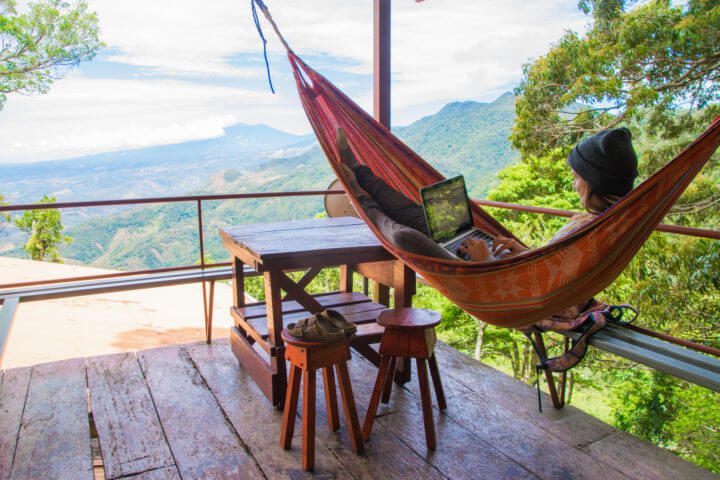
One of the best tips for solo travel for beginners is to try to arrive in daylight, book your first couple of nights, and work out how you’re getting to your accommodation before leaving home to minimize stress. Check reception hours too, especially at smaller places where someone won’t necessarily be waiting behind a desk all night.
Save the address offline, including in the local language where useful, and have a backup if your mobile data doesn’t work immediately (but it’s best to get your travel eSIM beforehand). These are also recommendations in Smartraveller’s solo travel safety guidance, alongside researching local risks and sharing your plans with someone you trust.
I wouldn’t book a whole afternoon of activities straight after landing, either. Give yourself time to check in, find food, and work out where you are before deciding you’re already behind on sightseeing. Take your time!!
4. Pack for the Parts You’ll Be Handling Yourself
Remember that you’ll be carrying everything yourself, including up stairs and into bathrooms when there’s nobody to watch your bag. This is a fairly persuasive argument for leaving the extra shoes at home.
A few things I’d organize before a solo trip, mostly for peace of mind:
- A charged power bank and the right plug adapter.
- Secure copies of your passport and other important documents, accessible separately from the originals.
- Your insurance details, local emergency numbers, and accommodation contact information.
- A backup bank card stored separately, plus some local cash or USD/EUR.
- A suitable lock if you’re using hostel lockers.
- Offline downloaded maps and any useful downloaded language resources.
- XE for easy currency conversion.
My long-term travel essentials and packing list goes into much more detail about what I take. It’s aimed at longer trips, so you probably don’t need my entire life-in-a-bag setup for four nights, but plenty of it applies to traveling solo too.


5. Check Who’s Picking You Up Before Handing Over Your Bag
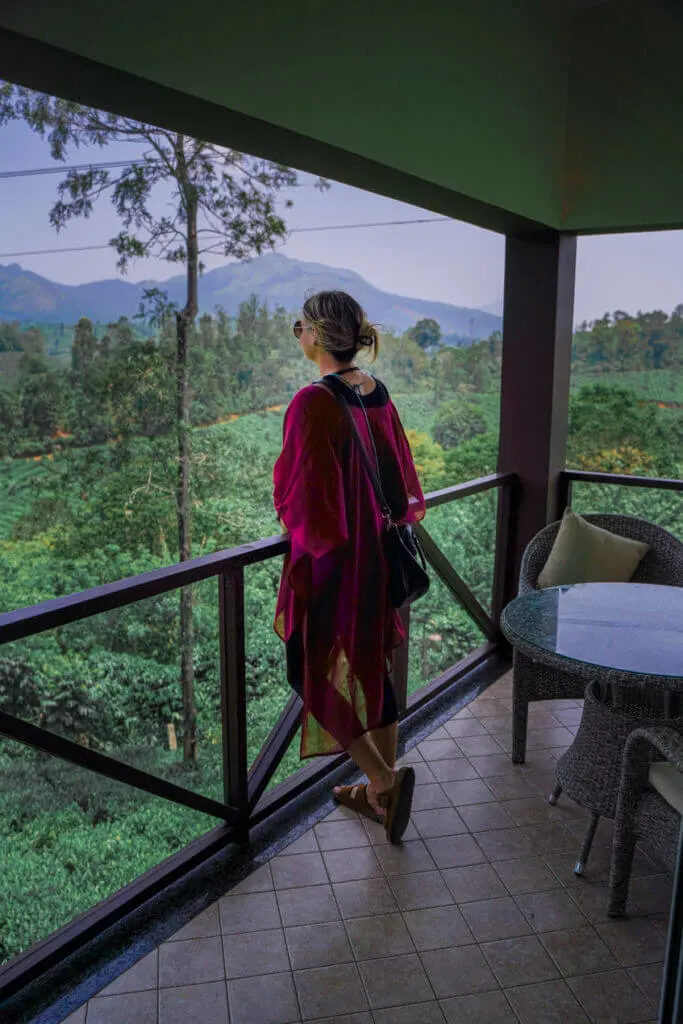
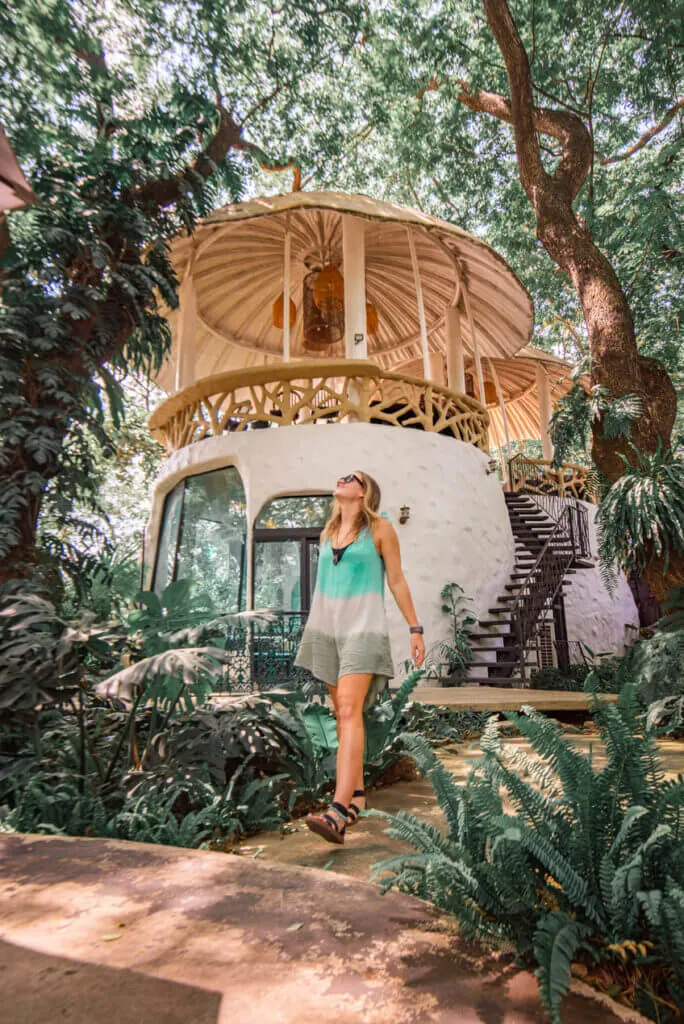
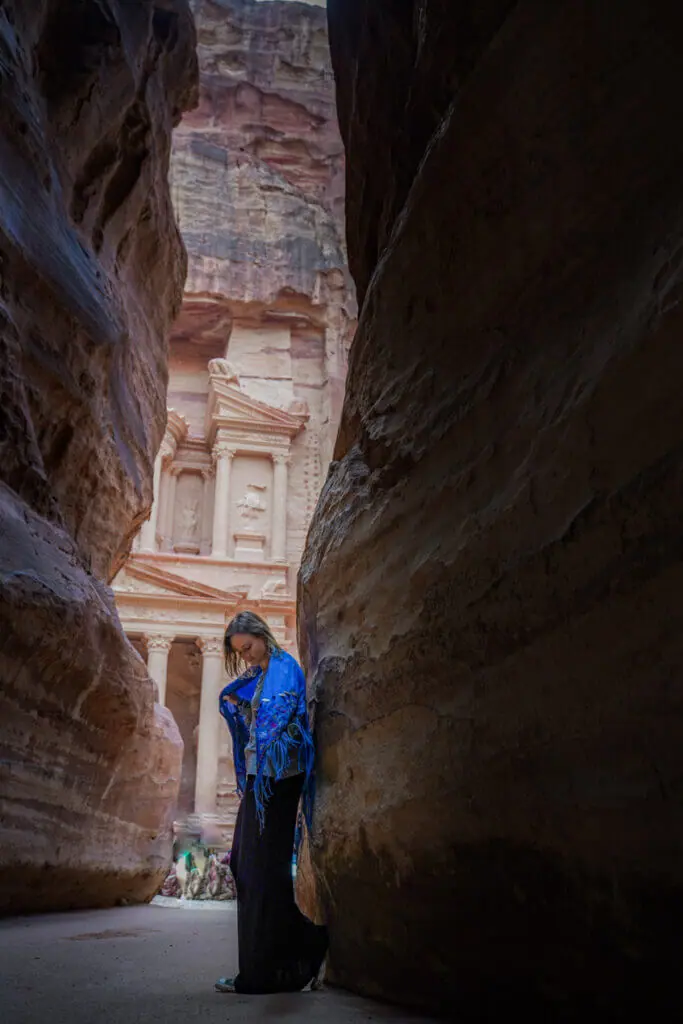
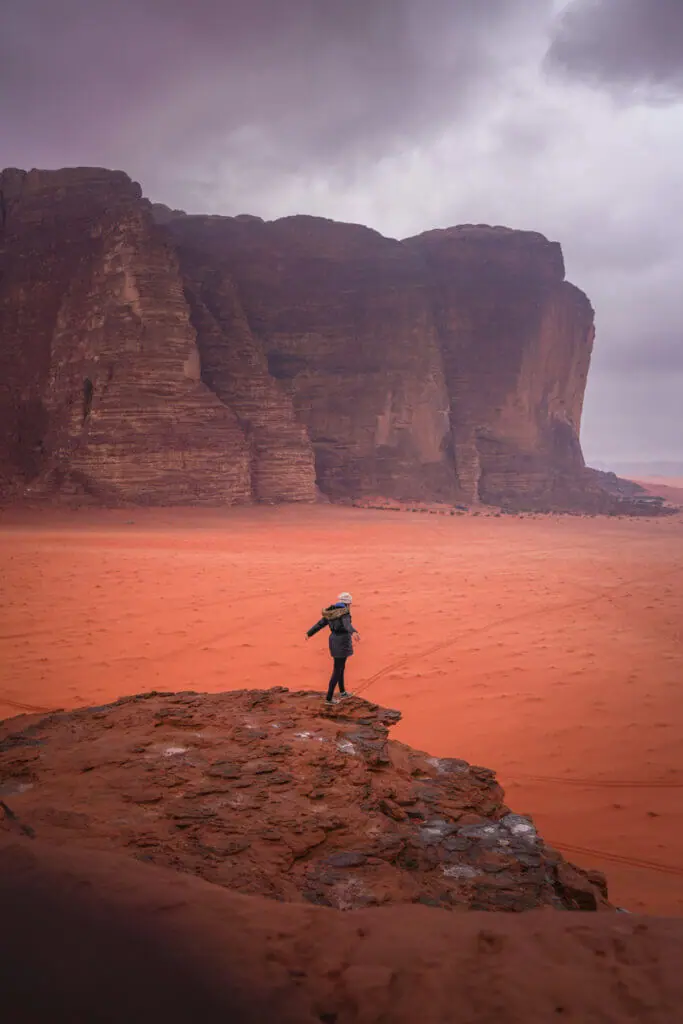
When I was traveling alone in Jordan, I had arranged a transfer from Aqaba to Wadi Rum through my camp. A man approached me asking about my transfer, and I asked if he was Khaled, the person I was expecting.
He said yes. He was NOT Khaled.
A few more questions revealed that before I went anywhere with him, but I had helpfully supplied the name he needed to agree with. Ask a driver to give you the booking details, and confirm anything uncertain directly with your accommodation or transfer provider before your bags go into the car.
I share more of that experience in my solo travel in Jordan article. It’s one of those specific mistakes that’s much more useful to explain than simply telling you to “be aware of your surroundings.”
6. Eating Alone While solo Traveling Really Doesn’t Have to Be a Thing
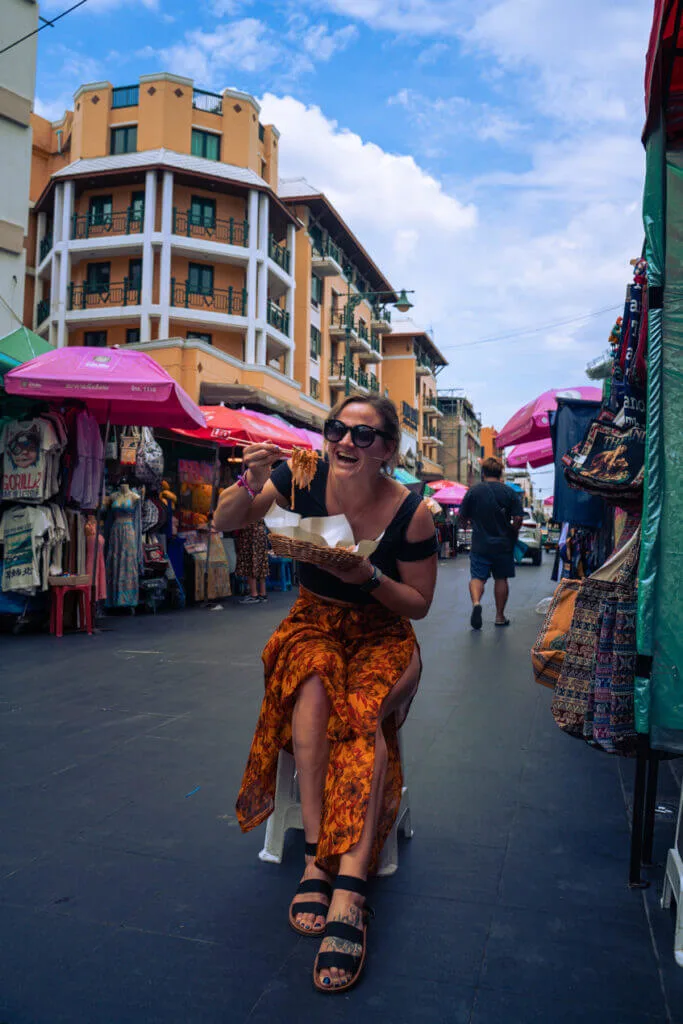
I’ve been eating alone for about twelve years and have honestly never had a problem with it. Sometimes I bring my laptop, sometimes I edit videos or work on things on my phone, and sometimes I just want to eat something delicious without having a conversation.
If it feels uncomfortable to you, start somewhere casual, sit at a counter, or bring something to read. But please don’t feel like you have to sit there looking available for friendship because you’re traveling alone; you’re allowed to have lunch and answer your messages.
I know some people see eating alone as brave, but it’s become so normal to me that I barely think about it. What a stranger at another table thinks about your lunch arrangements really doesn’t need to influence where you eat.


7. Join Activities You’d Enjoy Anyway
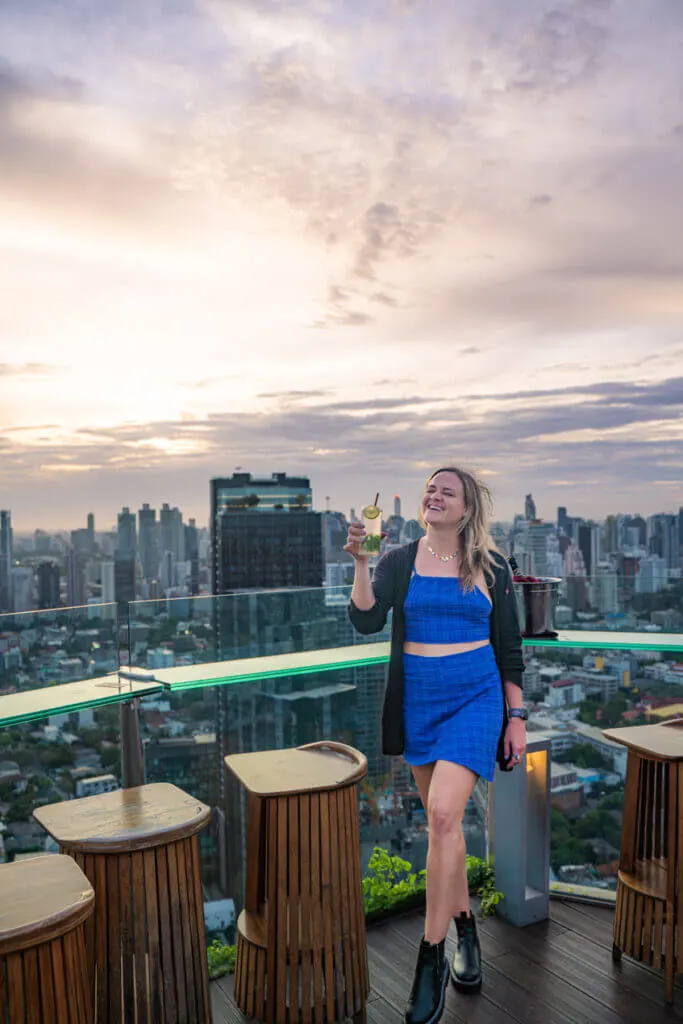
Hostel activities are an easy starting point, but cooking classes, walking tours, meetups, and day trips give you plenty of chances to meet people too. Day trips are particularly good because you spend time with the same people, and conversations tend to happen when you’re sitting in a vehicle together for a while.
I’d pick something you actually want to do, so you enjoy the activity even if nobody becomes your new travel best friend. If you love food, take the cooking class; if you’re into music, look for an event you’d want to attend at home. Music events are often a great way to meet people.
During my Jordan trip, I met two Greek travelers while sitting around the fire in the camp’s common area in Wadi Rum, and they offered me a seat in their car for the next day’s adventure. That’s the kind of thing I love about leaving time to sit around and talk to people instead of rushing straight back to my room.
8. You’re Allowed to Want Some Time Alone
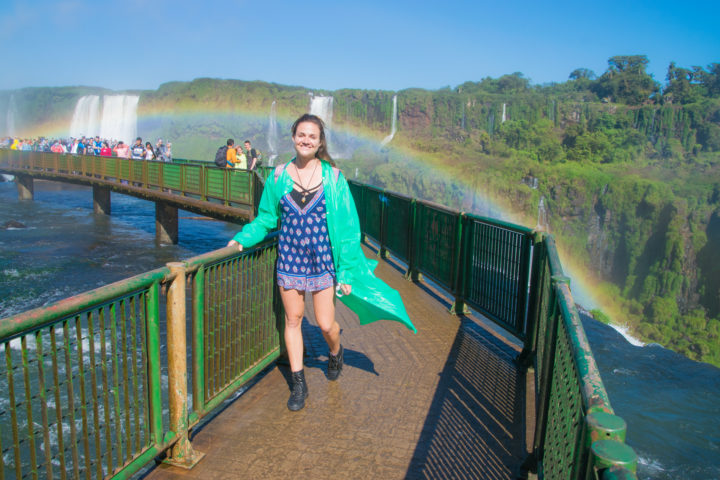
Not every solo traveler is looking for company, and you don’t have to turn the trip into an ongoing mission to make friends. I love being able to meet people and join their plans, then spend the next day doing something completely on my own. I actually solo travel majorly because I love being alone and having the freedom to do what I want.
This was a big part of what I discovered on that first Europe trip. I wanted to walk and explore, and once I started going by myself, I could keep going for as long as I wanted without someone getting annoyed that we still weren’t back at the room or haven’t stopped for food.
You can take the long walk, spend ages in one place, stay out late, sleep in, or go back for a nap. And if you meet lovely people whose plans don’t interest you, you can see them at dinner without signing up for their entire itinerary.
9. Joining a Group Tour Still Counts as Solo Travel
I traveled to Africa solo and joined an overlanding tour, so I’m very much in favor of combining independent travel with a group when it suits the trip. Having transport and logistics arranged can make a place feel more approachable, especially if those are the parts you’re worried about organizing.
I’ve also worked as a tour guide, and the group and itinerary make a big difference. Check how much time you actually get in each place, how much driving is involved, what costs extra, and if the trip’s social atmosphere sounds appealing to you.
My tour versus solo travel guide gets into the tradeoffs in more detail. You can also book a day tour for one outing and arrange the rest yourself, which is handy when there’s somewhere you want to visit but no convenient way of getting there independently. But somewhere like remote Africa is of course better on an organized group tour.


10. You (and Only You) Get to Decide What’s Worth Spending Money On
Different spending priorities were a big problem on my first trip with those friends, and they can be with anyone – even unexpectedly. I wanted to be frugal and explore, and it’s difficult to stick to your own budget when the people you’re with keep wanting to spend more (or, the opposite – you have money and your friends do not).
Alone, you can have a cheap meal because you’d rather put the money toward an activity, or spend more on a room because you really want your own bathroom. You don’t have to justify either decision to someone who thinks you should be doing the opposite.
Solo travel isn’t automatically cheaper, though… it’s actually usually more expensive becasue you aren’t sharing any costs with anyone usually. Private rooms and taxis can cost more per person when you aren’t splitting them, so account for that and keep a buffer for unexpected expenses.
11. Leave Yourself Some Room to Change Plans
On a longer trip, I like having flexibility to stay somewhere longer or change direction after meeting people I like. My six months traveling solo in South America gave me plenty of time to travel independently, and I wouldn’t want every day of a trip that long decided before I arrived.
For a short first trip, try choosing one or two main things you want to do each day and leaving some space around them. You might get a recommendation over breakfast or discover an area you want to spend more time exploring.
However – book ahead for things that can sell out, especially during holidays, festivals, and busy seasons. Flexibility is much less enjoyable when the only room left costs three times your budget!! I have unknowingly arrived into a country on a holiday a few times and kicked myself for not doing proper research.

12. A Lonely Day Doesn’t Mean You’ve Made a Mistake
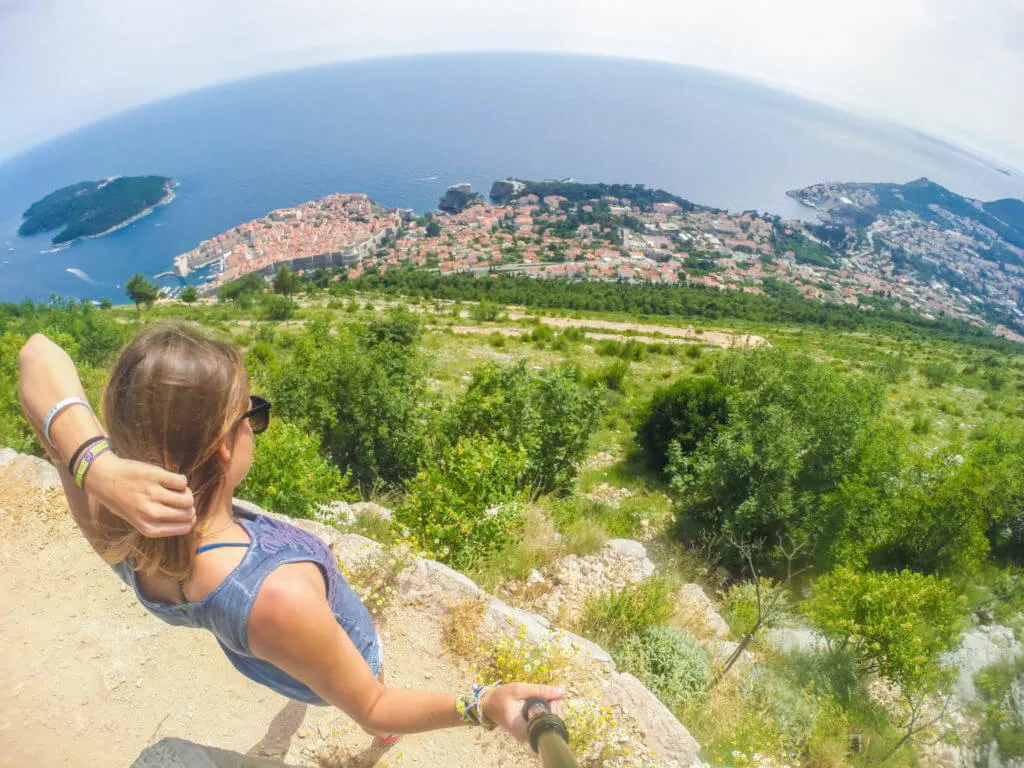
You might feel lonely, miss someone, or have a day when everything feels more difficult than it should. You might even wonder why you thought traveling alone was a good idea, especially if you’re tired and haven’t had a proper conversation all day. This is all part of the learning experience.
Call someone, get something to eat, do something grounding like yoga ot just watching TV, and give yourself a break from trying to have an amazing trip every minute. If you want company tomorrow, book an activity or ask what’s happening at the hostel; if the accommodation is making you miserable, look at moving.
And you’re allowed to change the trip if it genuinely isn’t working for you. You don’t owe anyone a glowing report about how independent you felt.
13. Take Photos With Yourself in Them, Too
It’s easy to come home with hundreds of photos of places and very little evidence that you were actually there. I used a GoPro pole as my personal photographer for years, and I included it in my solo traveler gift ideas for exactly that reason. These days, I tend to use a folding tripod or a 0.5 selfie… or just balancing my phone/camera on a rock (a solo travel skill I developed over many years).
A phone timer can work too, somewhere you can safely keep an eye on your phone, or you can offer to swap photos with another traveler. You don’t have to wait until you have a travel buddy to get a few photos you’ll want to keep.
For a first trip, I’d book somewhere you’re curious about, choose accommodation carefully, and give yourself a few days to try it. Hopefully your introduction to solo travel involves fewer friendship problems than mine did, but I can absolutely recommend being able to head out for a long walk without negotiating it with two other people first.



Passionate, full-time travel blogger with over 230k on social media and 150kMPV blog. Extraordinary photographer with two DSLR's + a drone with a love for capturing candid moments, epic drone shots, and magical compositions. I'm a natural-born content creator originally from California, but I've been on the road for 9 years living, working, traveling, blogging, and photographing my way around the world. I recommend the most amazingly adventurous and unique + boutique travel experiences/stays and helpful products to my audience and write comprehensive guides on my website that have helped millions of travelers so far. I love to inspire people to plan their dream trips, and many readers have given feedback as such. The reach on my platforms continues to soar, especially when combining cutting-edge social content with optimized articles on my high-authority website.