
What no one tells you before visiting Australia is that you might order an ‘iced coffee’ and receive a massive creamy thing with ice cream in it, spend a month traveling and still miss enormous chunks of the country, or lie in bed wondering what animal outside your window could POSSIBLY be making that noise. I experienced all of these, so at least you can arrive slightly more prepared!
I first came to Australia solo on a working holiday visa, traveled around for a month, then lived and worked in Sydney, did farm work in Western Australia, and returned for my second year in Melbourne. Since then, I’ve spent years living there on and off, and there are quite a few things I’ve learned firsthand that I wish someone had explained before I arrived.
1. Sort Out Your Medicines Before You Fly
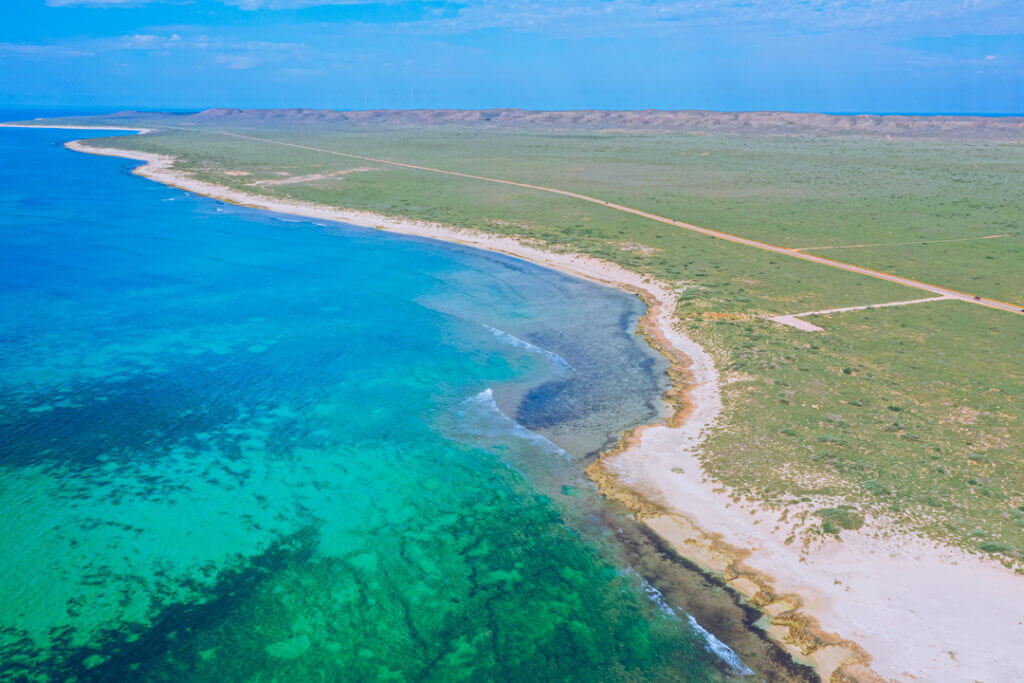
Let’s get the medical stuff sorted first, because searching for paperwork while packing is nobody’s favorite pre-trip activity. If you take regular medication, check what you can bring, keep it in its original packaging, and carry your prescription or a doctor’s letter.
For many medicines, Australia’s traveler’s exemption generally allows up to a three-month supply, subject to conditions. If your existing treatment involves vape prescriptions, check the separate rules for traveling with those products too; a prescription and permission to bring something across the border are different things. Start with the TGA’s travel guidance, and check that your travel insurance covers your circumstances and planned activities.
2. Apply for Your Visa Earlier Than You Think You Need To
My first working holiday visa took about a month, and my second took almost three. Those were my experiences at the time, not a prediction of how long yours will take, but you can probably see why I’m a big fan of applying NICE and EARLY (I actually had to fly to Aus and do a visa run to Bali because I assumed my visa would be faster. It wasn’t.)
The visa you need depends on your passport and what you plan to do. Most overseas visitors need the appropriate visa before departure, with different arrangements for different passport holders; check Home Affairs’ requirements rather than following someone else’s application story.
If you’re considering working while you’re there, sort that out properly too. I loved being able to earn money between trips, but a visitor visa doesn’t automatically let you do that.

3. Super Strict Rules on Biosecurity – Seeds, Fruits, even Dirty Shoes!
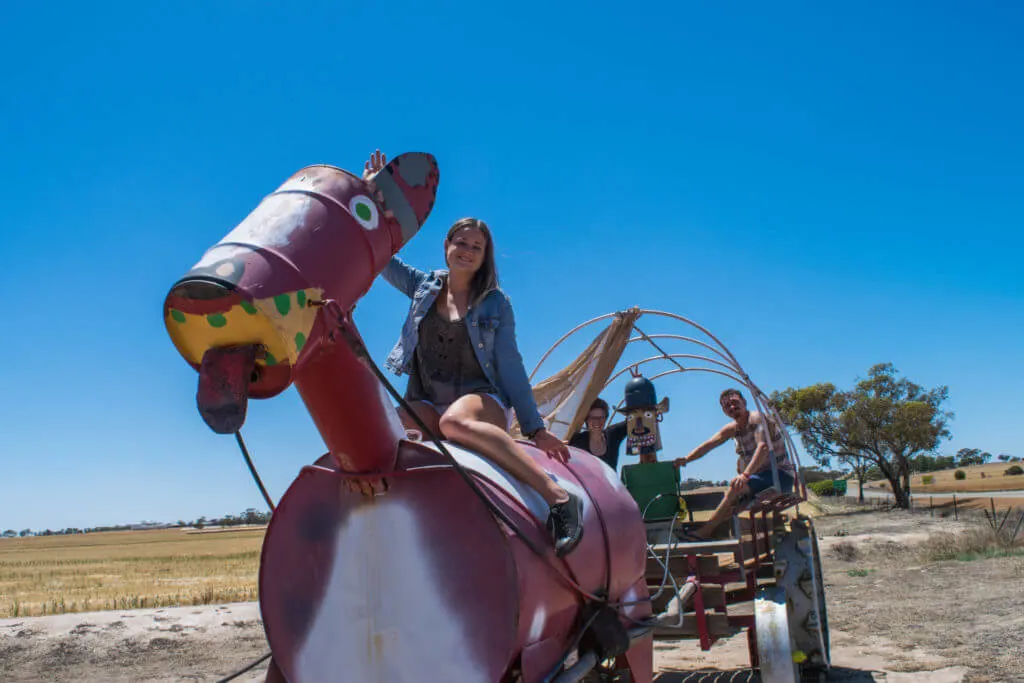
Australia’s biosecurity rules cover more than the obvious food you might be carrying. Like, they are SUPER strict (stricter than anywhere I have been before), and you should *actually* be aware of them so you don’t get in trouble. Think: the bracelet you bought made of watermelon seeds, loose-leaf unlabeled tea you bought from a village, and even salt and pepper. Plant and animal materials, dirty hiking shoes, and camping equipment can also need attention, especially if you’ve been traveling somewhere else first.
Clean your outdoor gear and have a proper look through your snacks before leaving, especially if you’ve been traveling. Follow the declaration instructions, and use the Australian Border Force guidance on food to check particular items; if you’re unsure, declare them for assessment.
4. A Month Is a Good Start… and Still Won’t Cover Everything
I spent about a month traveling around Australia before settling in, and the distances STILL surprised me. That first big trip didn’t even include Western Australia or Tasmania, both of which needed their own time later. To put it in perspective, it takes 6 hours to FLY from one end of the country to another… that’s a big distance.
You can absolutely have an amazing shorter trip, but choose a few places you really want to experience. Melbourne and Victoria, part of the East Coast, or the reef and rainforest make for more manageable plans than trying to include every place you’ve ever seen in an Australia tourism ad.
And if you do have a few months available, I have plenty of Australian road-trip ideas to help fill them.

5. Bring a Jacket. Yes, to Australia.
Summer runs from December to February and winter from June to August, which takes a little getting used to if you’re coming from the Northern Hemisphere. The tropical north also has wet and dry seasons, so you really do need to look at where you’re going and when.
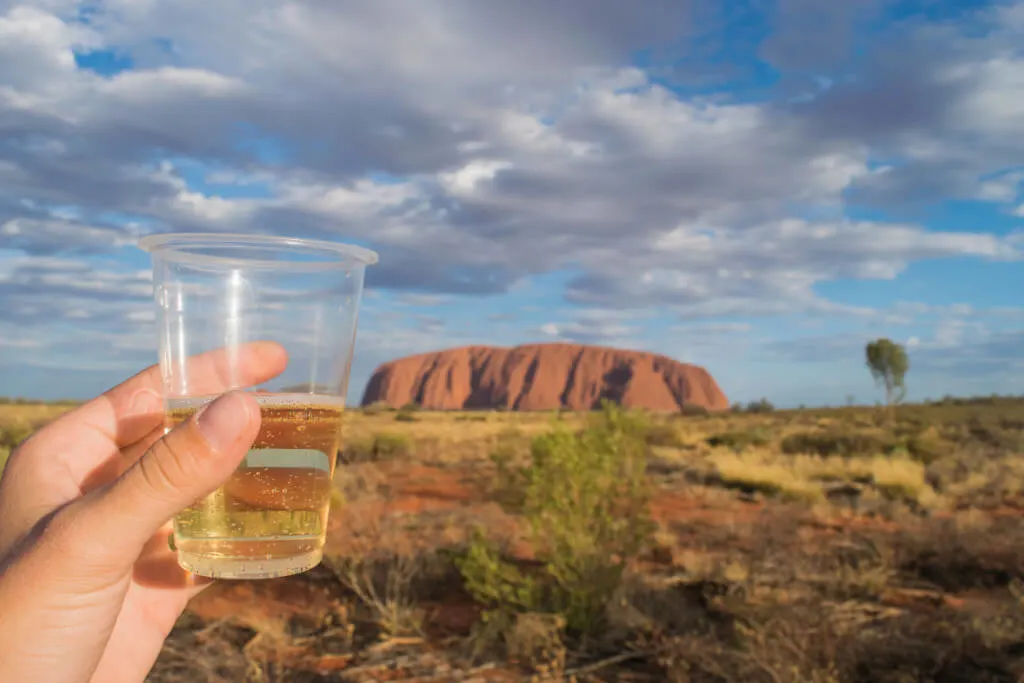
I’m from California, so my definition of cold might be slightly generous, but I have absolutely needed a jacket in Australia. Melbourne is particularly talented at making your morning outfit inappropriate by lunchtime, although I love it enough to keep forgiving it for how freaking FREEZING it can get.
Check the Tourism Australia weather guide for each region, then the daily forecast when you’re there. Layers are your friend.
6. Driving on the Left Takes Some Getting Used To
If you normally drive on the right, give yourself a bit of time to adjust, especially when turning or pulling out onto an empty road. Pulling out on the wrong side happens more than you’d think (sadly, I know from experience). Following traffic is one thing; remembering where to go without anyone in front of you takes more concentration.
I would avoid starting a long drive immediately after an overnight flight. Get some sleep, check the license requirements for your rental and destinations or van life, and leave enough time for breaks.
Remember the traffic direction when crossing the road, too… this is one that many people forget, as they step in front of moving cars while looking in the wrong direction!! Looking the wrong way first is an easy habit to bring with you.

7. Your Car Needs to Suit the Road Trip
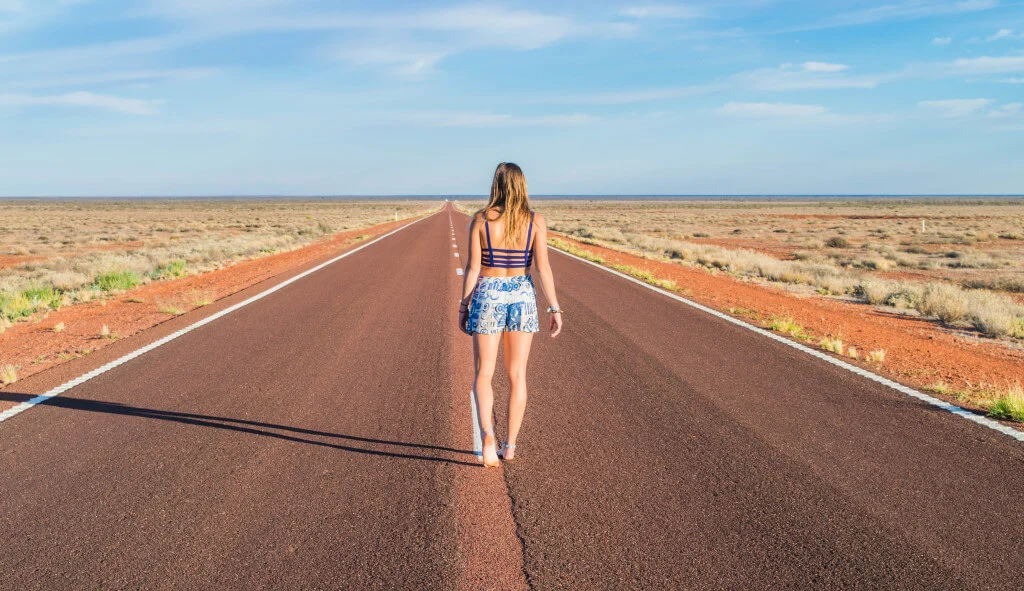
You don’t need a 4WD for every Australian road trip, but you do need to know what roads you’re planning to use. A normal coastal drive and a remote route with unsealed roads or crossings require different preparation, so check your vehicle and rental agreement before committing, or doing what a ton of backpackers do and buying the cheapest used car you can find!
For remote journeys, plan fuel stops, carry appropriate water and supplies, and tell someone your route and expected arrival. Check road and park conditions too; flooding, bushfire conditions, and seasonal closures can change your plans. Download your maps before leaving reception. Or, just sign up for day tours as you go along… that is often the easiest option.
8. Give the Great Ocean Road More Than One Day If You Can
I’ve done the Great Ocean Road at least four times, including day trips and longer visits, and three days is my favorite way to do it. There are too many viewpoints, little beaches, rainforest walks, and food stops to squeeze comfortably into one day.
My three-day Great Ocean Road itinerary starts by heading toward Port Campbell, seeing the Twelve Apostles at sunset, and slowly working back toward Melbourne. You get the big sunset early in the trip, leaving time for the smaller stops afterward.
I’ve had one of the best sunsets of my life there. Give yourself time to actually stand and enjoy it (and take far too many photos, obviously).


9. You Might Not Need a Car Until You Leave the City
I love having a car for coastal towns, national parks, and little detours, but I wouldn’t automatically rent one for an entire city stay. Look at your accommodation and plans first, because paying for a car to sit parked while you catch trams is a fairly annoying use of your budget… and it’s not cheap.
Public transport systems and payment methods vary by city, so check local instructions and airport transfers separately, but as a general rule, cars are not really necessary in cities. When I lived in Melbourne, I bought a secondhand bike and cut down on transport spending AND got more exercise, which was a very satisfying purchase!
10. Choose Your Phone Plan for Where You’re Actually Going
When I was living in Sydney, my Optus plan worked for what I needed. Before my farm work in rural Western Australia, however, I was told I needed Telstra for that particular location, so changing plans became part of the move. I think a lot of new networks have popped up in the last couple years, too… I hear Aldi mobile is actually quite good these days!
That experience is why I recommend checking coverage for your route instead of choosing whichever deal has the most data. Networks and plans have changed since then, and no provider works everywhere, so look at the current coverage for the actual places you’ll visit. Save bookings and maps offline, and download some music too. There are long drives ahead, my friends.
11. Cheap Flights Get Less Exciting When You Add Your Bags
I learned about Australian domestic baggage fees while traveling with far too much stuff while moving to Melbourne, and it was not a lesson I particularly enjoyed paying WAYYY too much for. If you’re carrying a big backpack, photography equipment, or sports gear, compare the flight price with everything included, because the overweight charges are mentally insane.
Check carry-on weight as well as checked baggage, and read the conditions for your particular fare, because the budget airlines in Oz are one of the only ones that* actually* check. The cheapest first number on the screen isn’t necessarily the cheapest way to get you and all your belongings to the next city.
12. You Can Save Money Without Missing All the Good Food
Australia has some food I would be very unhappy to miss, especially in Melbourne, so I’m not going to tell you to cook every meal. But having breakfast at your accommodation or making a few dinners can leave a lot more room for the places you’re excited about.
Aldi helped fund plenty of my meals while living there, and supermarket specials and pub meal deals are worth looking for. I’ve put more of my practical budget habits in this guide to saving money in Australia.
You can also spend a lovely day walking along the coast or exploring a neighborhood without booking a major activity. Then you’ll have money left when the brunch menu gets your attention.
13. But, Cocktails and Ubers Are a Dangerous Budget Combination
When I first moved to Sydney, I was surprised by how much money disappeared on little things like cocktails, Ubers, eating out, gyms, and even certain groceries. Apparently, buying theses things repeatedly does eventually show up in your bank account. Annoying.
I recommend tracking your spending early, even if you don’t particularly want to see the result. If you are hoping to save money, walk or use public transport when it makes sense, look for meal specials, and decide which experiences you actually want to spend on.
Accommodation, tours, and domestic travel need budgeting too, but don’t overlook the ordinary days between them. Those days can get expensive all by themselves!
14. Ask What’s in the Iced Coffee
I once ordered an iced coffee expecting coffee and ice, which seemed like a fairly reasonable interpretation of the name. What arrived was a massive creamy drink with a dollop of ice cream, and I remember wondering how we’d got there.
That style of iced coffee exists alongside iced lattes, cold brew, and other options, so have a quick look at the menu or ask. If you want dessert, you may be delighted; if you want a cold coffee before a walk, you might want to be more specific.


15. You Know English, but You Might Need Some Australian
A servo is a service station, a mozzie is a mosquito, sunnies are sunglasses, and bathers, swimmers, or a cozzie can all refer to something you wear in the water. Once you’ve heard a few of these, conversations become much easier to follow. The Aussies LOVE an abbreviation; it is still quite funny to me that you can seemingly take the first syllable of anything and add an -o or -z or -ies and you’ve got the term for it in Australian slang.
The abbreviations extend to names too, which took me a while to get used to. Don’t feel silly asking what something means; you can speak English perfectly well and still need someone to explain half a sentence.
16. A Cool Breeze Says Nothing About the UV
You can feel perfectly comfortable outside and still need sun protection, especially on a breezy beach or coastal walk. Check the UV forecast rather than deciding based on how hot you feel. That doesn’t work here – the Australian sun is sneaky.
Cancer Council recommends protection when UV reaches 3 or above: covering clothing, a suitable hat, shade, sunglasses, and broad-spectrum, water-resistant SPF50 or SPF50+ sunscreen. Apply it before going out and reapply every two hours, or after swimming or excessive sweating, following the product instructions. Their SunSmart guidance explains the details.
17. A Beautiful Beach Isn’t Automatically a Swimming Beach
I know how tempting clear water is, but read the signs before getting in… seriously. At patrolled beaches, swim between the red and yellow flags and ask the lifeguards about conditions if you’re unsure; the calm-looking patch isn’t necessarily the safest one. Beachsafe has useful guidance here.
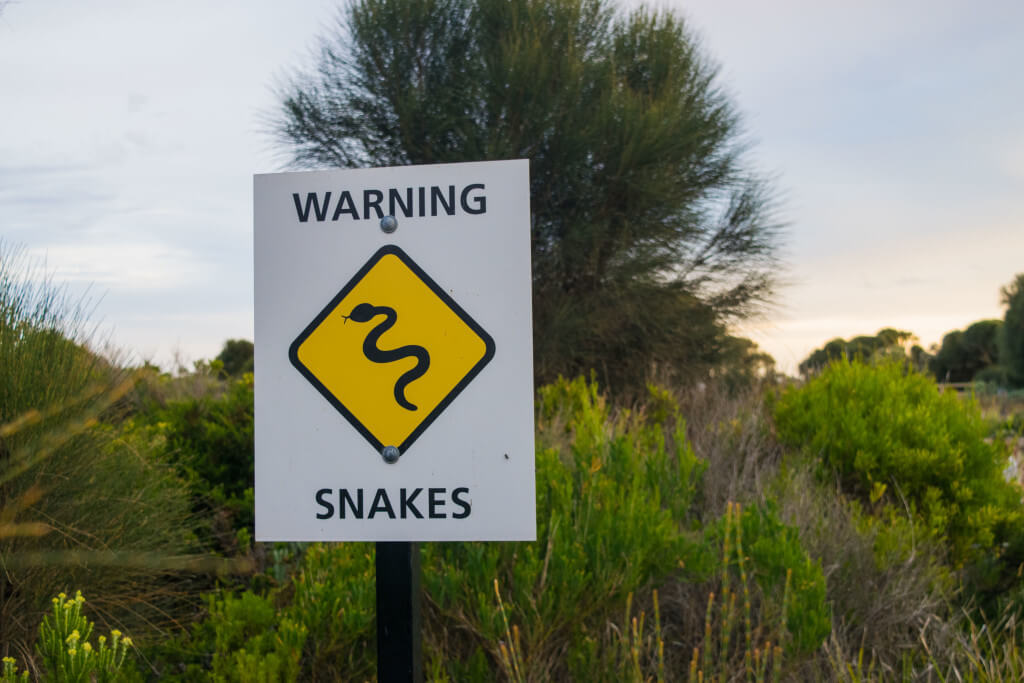
In northern areas, follow local crocodile and marine stinger advice as well, including wearing stinger suits where necessary (especially at Whitehaven beach in stinger season), these are really a thing! A warning sign is enough reason to choose somewhere else, although I’d assume you wouldn’t need to be told twice not to swim in waters with something that might want to eat you.
18. The Wildlife Might Surprise You in Less Glamorous Ways
The first kangaroo I saw in Australia was unfortunately dead beside the road, about ten minutes into arriving. 😛 So my introduction to Australian wildlife was considerably less adorable than I had pictured. Spiders are a thing, yes, but they aren’t as ‘everywhere’ as the media makes it seem.
You might see dozens of beautiful, colorful birds you wouldn’t think could exist in real life… and the sounds they make mjay surprise you too! I also remember hearing birds outside my window in Sydney and being genuinely unconvinced that birds could make those sounds (read: excruciatingly annoying ones). Apparently, they can, and they do not seem especially concerned about whether you’re sleeping.
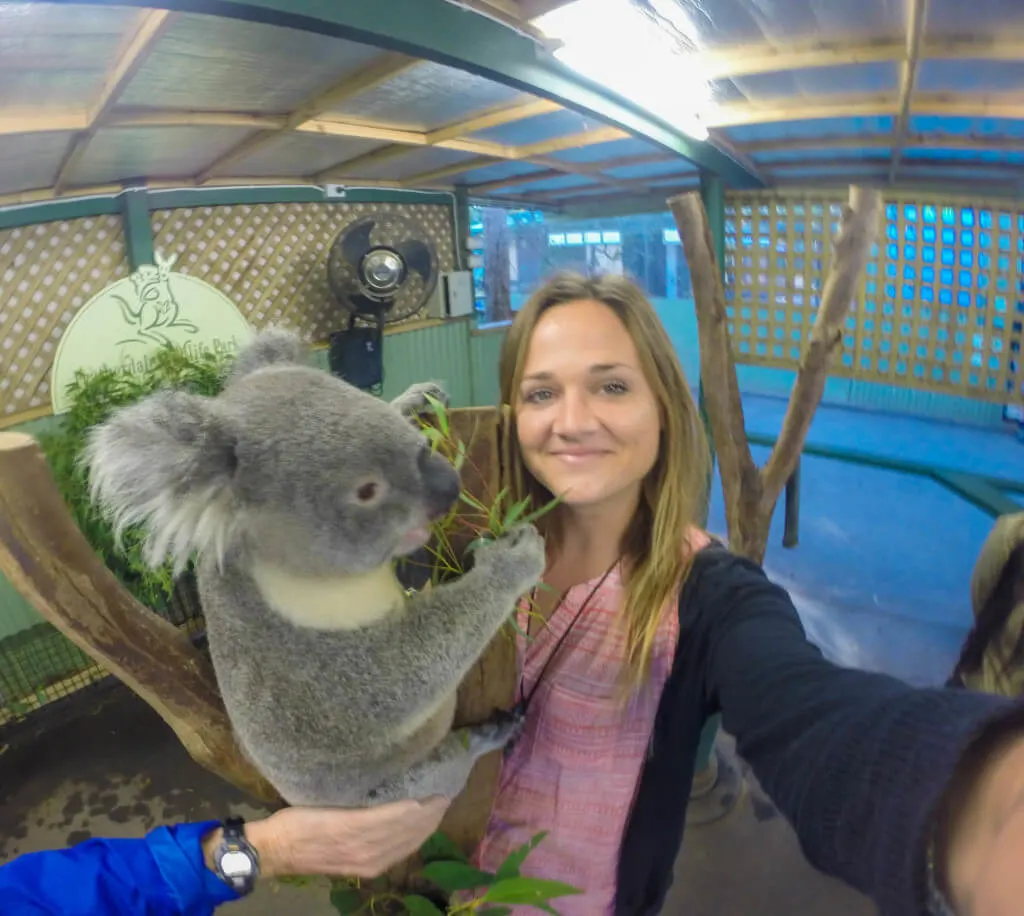
Enjoy the wildlife, but give animals space, don’t feed them, and pay attention while driving. It’s not super common to see lots of animals in the wild unless you know where to look or are exploring the country. Just know – getting closer for a photo isn’t necessary.

19. Go to Something You Like, Even If You’re Going Alone
When I moved to Melbourne, I went to house-music events by myself and met loads of people through them. If you already like the same music, you have a fairly good starting point for a conversation, and I was going to want to hear it anyway.
Hostels, day trips, classes, and group activities can work similarly. My first month-long tour helped me meet people while exploring, but you don’t need to book something that big to find company.
I have more ideas in my solo travel in Australia guide. Don’t wait for a travel companion before doing something you’re excited about.
20. You Might Get Attached to Somewhere You Didn’t Expect
I lived in Manly during my first year and Melbourne during my second, and Melbourne became the place I kept wanting to return to. The more I explored its neighborhoods, food, music, and hidden bars, the more I liked it.
If you have flexibility, leave yourself room for that. Spend another night in a town you love, take the day trip someone recommends, try out another neighborhood, or stay long enough to have a favorite coffee place.
I ended up hanging a $3 sarong from Bali in my Melbourne room and making myself at home. Your trip doesn’t have to turn into a move, but mine did get a little carried away.
Well, thats a good summary for what no one tells you before traveling to Australia. I hope you have gotten a few tips here that help you plan your trip!

Passionate, full-time travel blogger with over 230k on social media and 150kMPV blog. Extraordinary photographer with two DSLR's + a drone with a love for capturing candid moments, epic drone shots, and magical compositions. I'm a natural-born content creator originally from California, but I've been on the road for 9 years living, working, traveling, blogging, and photographing my way around the world. I recommend the most amazingly adventurous and unique + boutique travel experiences/stays and helpful products to my audience and write comprehensive guides on my website that have helped millions of travelers so far. I love to inspire people to plan their dream trips, and many readers have given feedback as such. The reach on my platforms continues to soar, especially when combining cutting-edge social content with optimized articles on my high-authority website.