
After living there for quite a few years, hopping around different cities and countrysides, and making it to all states (except the capital, oops), I have these tips for traveling Australia ready for you now.
Honestly, moving to Melbourne a few years back was never part of “the plan.” But that’s the beauty of a life lived without a fixed itinerary (or location). What started as a second-year working holiday visa turned into one of the most grounding, eye-opening, and genuinely transformative chapters of my nomadic life.
Australia is so much more than one destination; it’s a whole entire universe crammed onto one continent. And after living, working, and exploring it for the better part of 3 years, I can confidently say that it deserves WAY more than a rushed two-week itinerary. So let’s get into it: everything you need to know to have the adventure of your life Down Under.
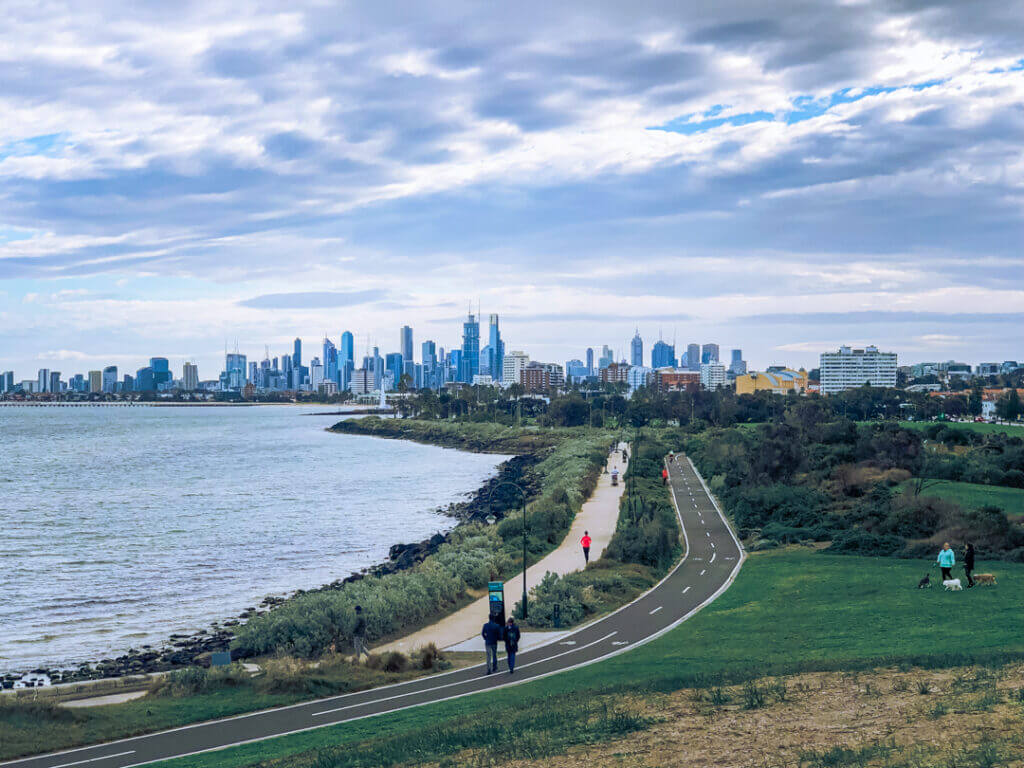
Why Australia Should Be on Every Adventurer’s Bucket List
Australia is one of those rare places that genuinely delivers on every front. Beaches? Iconic. Outback? Otherworldly. Wildlife? Absolutely nowhere else on Earth. Cities? Totally world-class. The range of experiences you can stack into one trip here is staggering.
You can dive the Great Barrier Reef, watch the sun melt into the red dirt of Uluru, surf in Byron Bay, and sip phenomenal coffee in Melbourne’s laneways, all within a couple of weeks. It’s the kind of place that pulls serious adventure travelers toward it like a magnet – and once you arrive, you’ll completely understand why.
When to Go to Australia
Australia is a massive country, and the best time to visit really depends on where you’re heading:
- October–April is ideal for the east coast (Sydney, Melbourne, Byron Bay) – warm, sunny, and festival season is in full swing. Melbourne is best in summer, too, although you can have four seasons in one day at any time of year – trust me. I’ve never been anywhere with such unpredictable weather.
- May–September is the sweet spot for the tropical north (Cairns, Darwin, the Kimberley) -0 dry season means accessible national parks and no crocodile-filled floodways blocking your path.
The Aussie Adventures You Absolutely Cannot Skip

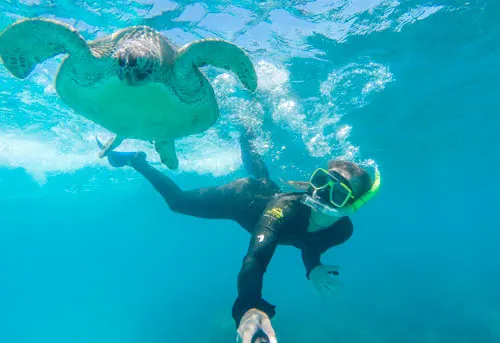
The Great Barrier Reef + Daintree Rainforest, Queensland
The Great Barrier Reef is the crown jewel of Australian adventures, full stop. Spanning over 2,300 kilometers off the Queensland coast, the Great Barrier Reef is the world’s largest coral reef system and one of the seven natural wonders of the world. Liveaboard dive trips from Cairns are the gold standard – three days underwater and waking up above the reef is the best experience. Even a day trip from Port Douglas for snorkeling will leave you absolutely speechless.
On the other side of the coin, the Daintree is one of the oldest tropical rainforests on the planet – older than the Amazon! Where it meets the Coral Sea near Cape Tribulation, you get one of the most surreal landscapes you’ll ever stand in: ancient rainforest on one side, the Great Barrier Reef just offshore on the other. It’s the ultimate contrast of land and sea. Guided night walks to spot tree kangaroos and luminous fungi are a must. Tourism Australia has a brilliant planner for first-timers figuring out how to base their reef experience.

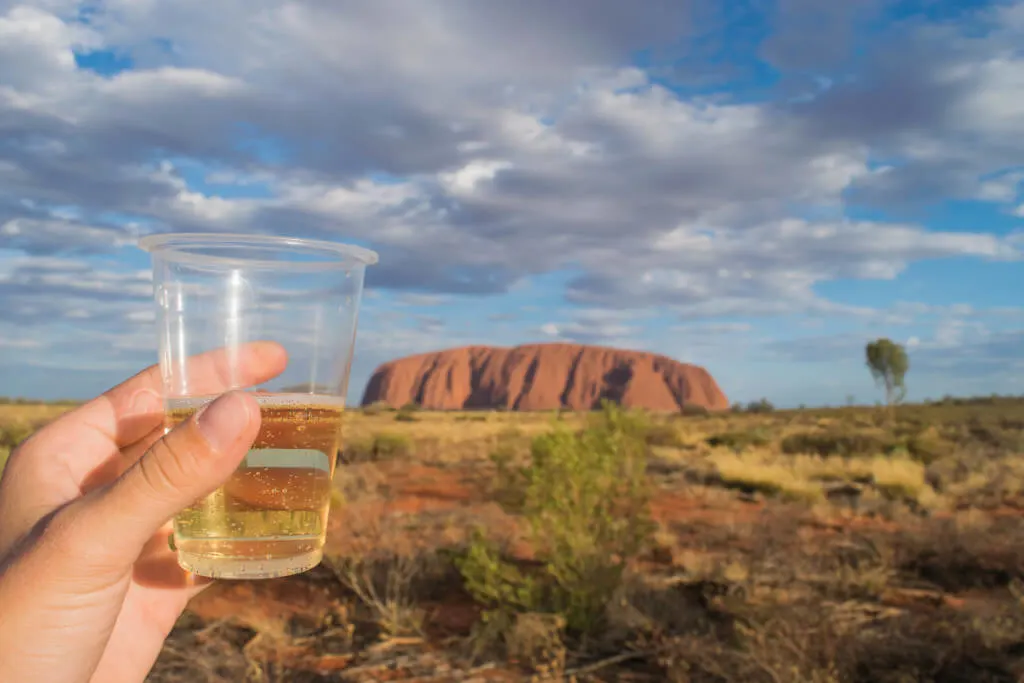
The Red Centre: Uluru & Kata Tjuta
Nothing prepares you for your first glimpse of Uluru. The sheer size, the energy of the place, the way the color shifts from burnt orange to deep crimson to violet as the sun drops (or rises)… it’s genuinely one of the most moving travel experiences I’ve ever had, and I’ve been to over 70 countries. Wake up before sunrise at your Uluru hotel, grab a thermos of coffee, and watch the sky change. Then spend the afternoon walking the Kata Tjuta Valley of the Winds trail and feel the silence of the outback wrap around you.
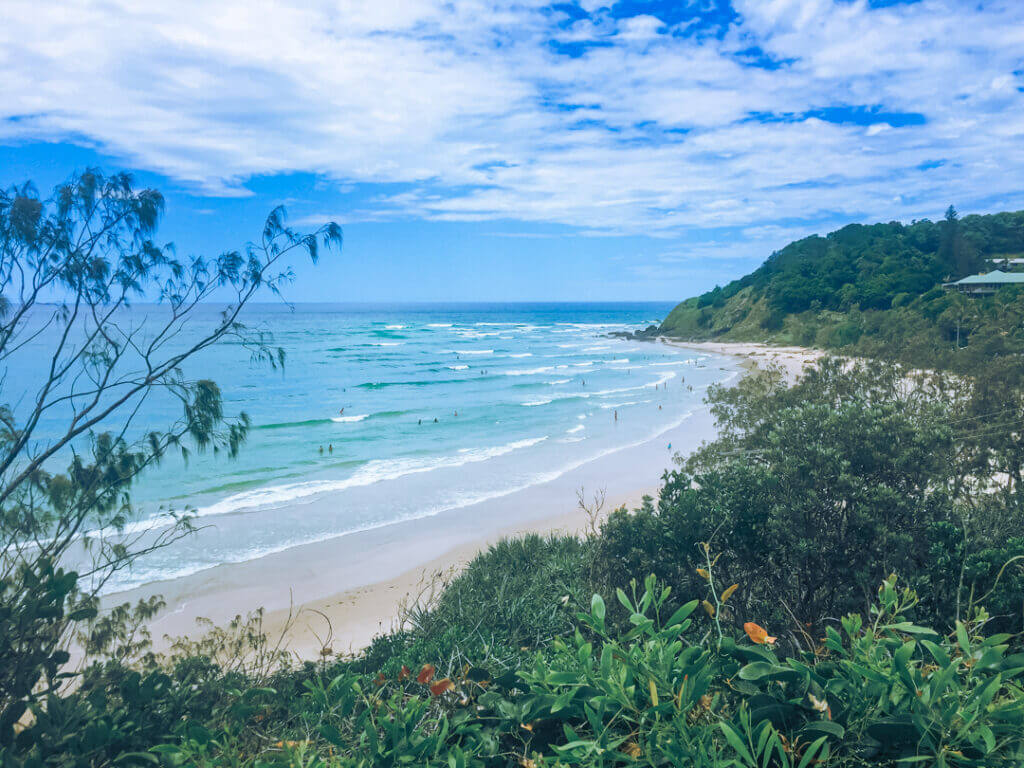
Byron Bay & the East Coast Surf Scene
Byron Bay is the kind of town that you arrive in and consider moving to within the same hour. The surf is world-class (especially at The Pass), the food scene punches way above its weight, and there’s a music and festival energy that any self-described festival fairy would fall deeply in love with. Cape Byron lighthouse hike at sunrise is non-negotiable – it’s Australia’s most easterly point, and the views are incredible 🙂
City Life: Where to Base Yourself

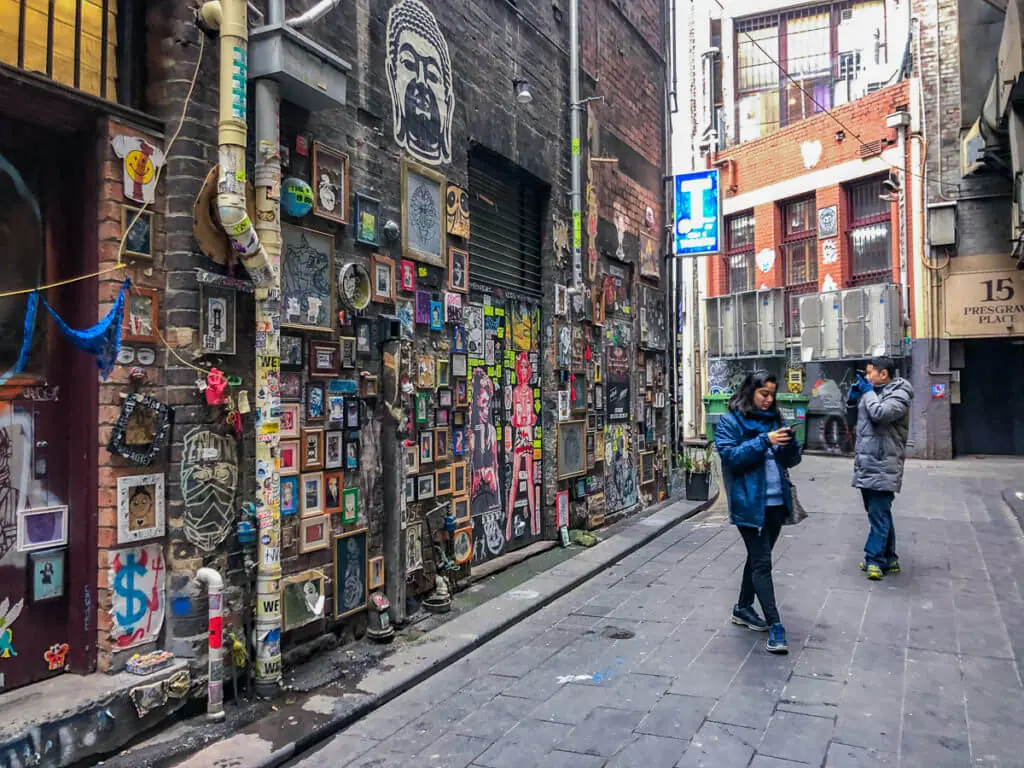
Melbourne
My forever city. Melbourne is the kind of place that rewards those who scratch beneath the surface. The laneways (Hosier Lane, Centre Place, Degraves Street, and more) are a world of hidden bars, incredible street art, and specialty coffee that will genuinely ruin you for all other coffee forever.
The food scene is incredibly multicultural (like the city itself); you can eat your way around the world without leaving the city. North Richmond for Vietnamese, Fitzroy for brunch, Chinatown for dumplings, Southbank for sunset views along the Yarra. The live music scene is absolutely legendary; Melbourne has more live music venues than any city I’ve been to.
Sydney
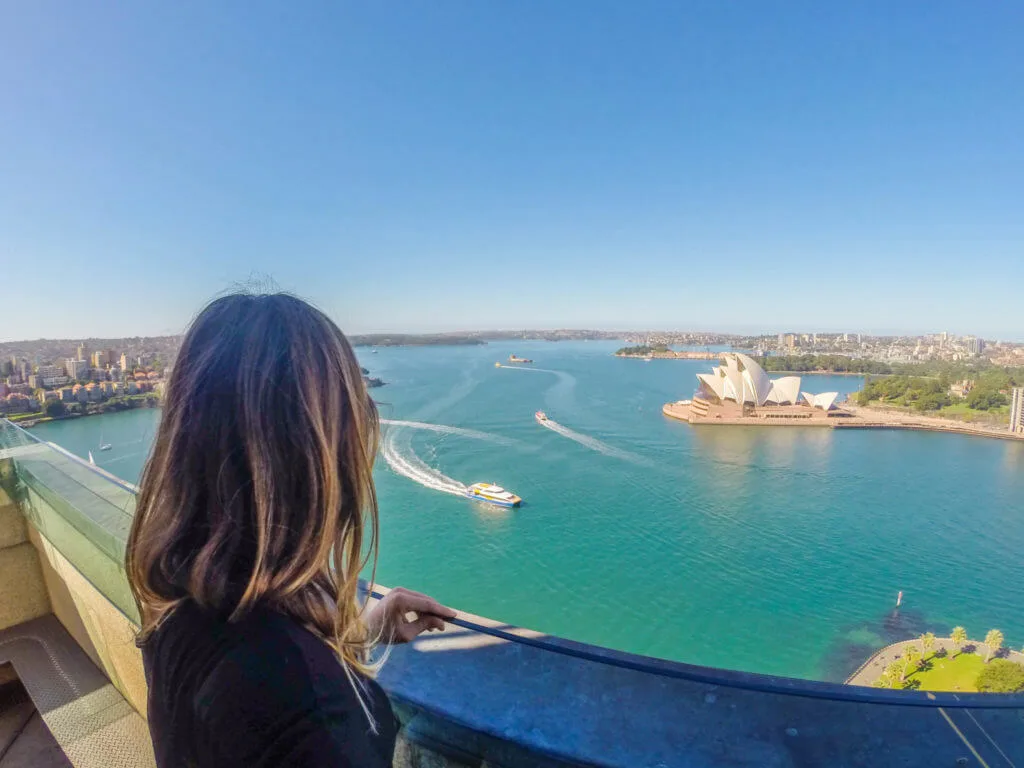
Yes, the Opera House is as impressive in person as every photo suggests. Bondi Beach is touristy but genuinely beautiful. The Bondi to Coogee coastal walk is one of the best urban hikes I’ve done anywhere in the world. The Rocks is brilliant for history, and the ferry system across the harbor gives you some of the best city views imaginable. Stay in Newtown or Surry Hills if you want to be around locals rather than tourist infrastructure.
Brisbane & the Gold Coast
Brisbane has quietly become one of Australia’s most exciting cities – a booming arts scene, incredible subtropical weather, and convenient access to both the coast and hinterland. South Bank’s Streets Beach (a man-made lagoon in the heart of the city!) is a uniquely Brisbane experience. The Gold Coast gets a bad rep from backpackers, but Surfers Paradise is genuinely fun for a couple of nights, and the Hinterland —-Lamington National Park, O’Reilly’s —-is stunning and massively undervisited.
Australia’s Entertainment Scene: More Than Just the Outdoors

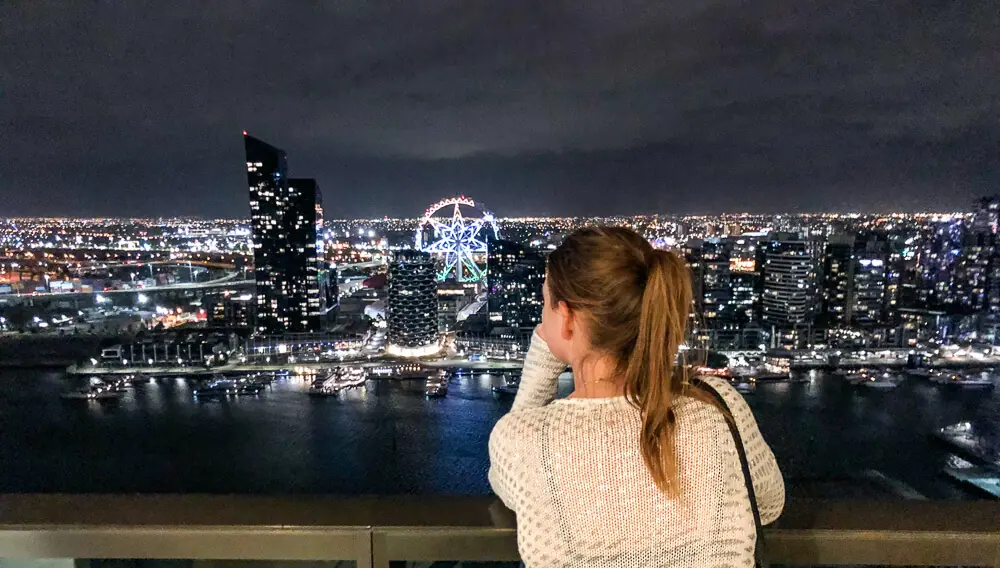
For all the adventure and natural beauty, Australian cities know how to have a seriously good time after dark, too. Pub culture is deeply ingrained – the classic Australian pub (or “hotel,” as they’re called here) is the social hub of every neighborhood, and Sunday sessions are a sacred institution.
Beyond the pub scene, Australia has a thriving live music circuit, incredible comedy festivals (Melbourne International Comedy Festival is world-class), and a wide variety of entertainment options, whether you’re in a city or a regional town.
What surprised many travelers I spoke to was how digitally switched-on Australians are when it comes to online entertainment – the country has one of the most sophisticated igaming cultures in the world, and platforms built around seamless, modern payment systems have become a major part of the local entertainment landscape. If you’re curious about how that all works, TheNationOnlineNG has a solid explainer on Australia’s leading digital iGaming platforms and the payment tech that makes them tick — surprisingly useful context for understanding the broader Aussie entertainment scene.
Practical Tips for Traveling Australia
Getting Around Australia
Australia is HUGE. Seriously, it’s about the same size as the continental United States. Flying between major cities is often the only realistic option. Budget airlines like Jetstar and Virgin Australia have frequent sales worth watching. For the East Coast, a campervan road trip is absolutely the dream – and actually one of the best ways to see it all at your own pace.
Budget for Traveling Australia
Australia is… expensive. Accommodation, food, and transport all cost more than in Southeast Asia or South America, and often Europe or the US too (it depends). Budget at least AUD $100–150/day as a backpacker; and more if you want private rooms and restaurant meals. The working holiday visa (available to most nationalities aged 18–30) is a genuine game-changer for long-term travelers – you can work to fund your adventures, and the wages are great here. Here’s my WHV guide.
Wildlife Safety in Australia – Overhyped, but Still Real
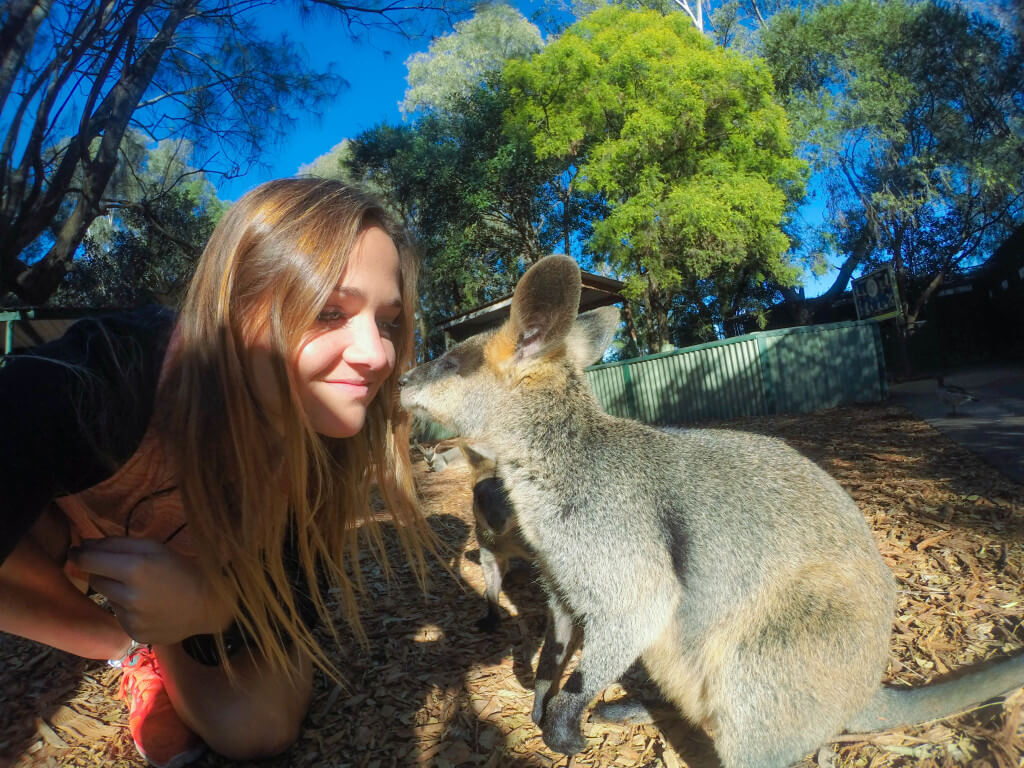
This is the part people either overthink or sometimes don’t think about enough. Box jellyfish are lethal in northern waters from October to May – swim in stinger suits or enclosures only. Saltwater crocs are not to be tested. Snakes do exist in the bush, so watch where you’re stepping and leave them alone. Everything else (spiders, sharks) is genuinely over-hyped. Don’t let fear stop you from exploring.
There’s a lot of hype around dangerous animals, and most of it doesn’t reflect what you’ll actually experience.
SIM Cards & Service (or Lack Thereof)
Telstra has the best regional coverage by far. It’s worth the extra cost if you’re heading outside the major cities. Optus is solid for city travel. It used to just be Optus vs Telstra in the Australian phone market, but smaller players are popping up all the time (check out Aldi mobile) with crazy competitive prices.
Honestly, the service is NOT amazing in Australia, and you will realize this quickly after leaving cities. It’s worth downloading offline maps, saving accommodation details, and having anything important accessible without needing data. There are plenty of stretches of road and even some popular areas where reception drops out completely.
You need to think in regions, not just “Australia”
This is probably the biggest mindset shift. Trying to piece together Sydney, Melbourne, the Great Barrief Reef, and Uluru into one neat itinerary sounds logical until you actually look at a map properly and start checking travel and flight times. Hint: all of those spots require a plane!
For a first trip, it’s way better to pair a city with a surrounding region and go deeper there, or two cities/regions. Sydney with part of the East Coast works well, Melbourne with Victoria and the Great Ocean Road is an easy win, or you build a trip around one major experience like the reef and the Daintree, or that and the Red Center. Anything beyond that starts turning into constant transit days. What I really reocmmend is allotting at LEAST a month to see more!
Flying Between Cities is Completely Normal
At some point, you will look at a route and consider whether you can bus or drive it instead of flying. Most of the time, you technically can… but it won’t be a good use of your time.
Domestic flights are just part of how people move around here, including locals. Once you accept that early on, it actually simplifies your planning a lot. Booking a bit in advance helps too, because prices creep up quickly on popular routes.

The Weather Varies a Lot
A lot of first-time visitors pack for “Australia” and then end up either freezing or overheating somewhere along the way.
Melbourne is the classic example. The whole four seasons in one day thing is not exaggerated, and I have absolutely been caught in it more times than I would like to admit. Queensland is a completely different situation with humidity and wet seasons, and the Red Center is extreme in both directions depending on the time of year.
It’s worth checking each stop on your itinerary individually (and daily – looking at you, Melbourne) rather than assuming it will all feel the same.
The Sun is Actually Stronger Here
This is one of those things people hear and then ignore slightly, and it always catches up with them. You can burn quickly in Aus, especially near the water or on long outdoor days.
Coastal walks, boat trips, even just sitting at the beach for a bit longer than you planned can do it. It’s less about bringing sunscreen and more about actually using it consistently and reapplying it, which makes a bigger difference than you think.
Having a Car Really Helps
Public transport is great within cities, but it only gets you so far once you start wanting to explore properly.
A lot of the best places – smaller beach towns, national parks, viewpoints along coastal drives – are much easier to reach with a car. Even renting one for a couple of days here and there can open up parts of a destination that you just couldn’t see otherwise.
Credit Cards are Used for Almost Everything
Australia has leaned heavily into tap payments, and it’s very easy to get by without cash. Cafes, transport, and small shops are all card-based. Having a travel-friendly card helps, especially to avoid unnecessary fees at ATM’s and otherwise, but you don’t need to worry about carrying much cash day-to-day.


Food is Great, but Can get Pricey
Eating out in Australia is consistently good, especially in cities like Melbourne (incredible food scene) and Sydney, but it’s not cheap enough to do for every meal without noticing it.
Mixing in a few grocery runs or casual meals, and taking advantage of pub deals or happy hours, helps balance things out without feeling like you’re missing out. The quality is high, so it still feels worth it… it just adds up faster than people expect (trust me on that one, too).
Give Yourself Extra Time – Actually, As Much as Possible!
Australia tends to reward slower travel a bit more than packed itineraries. Places that look like quick stops often turn out to be places you want to stay an extra day or two, and many of the best experiences come from having a bit of flexibility.
Almost everyone I know who has come here has either extended their trip or immediately planned another one, which probably says enough. Every destination you plan has many more nearby that are equally incredible and worth visiting, too… or have more to explore than you thought.
Wifi is Not as Good as You’d Expect
This one surprised me the first time I came here. You assume a country like Australia will have fast, reliable internet everywhere… and then you leave the cities and it very quickly becomes hit or miss.
Even in some popular coastal towns or islands, the connection can be slow or barely there. It’s gotten better over the years, but it’s still not something I would rely on completely. Download maps, save bookings, and don’t leave anything important until the last second (assuming you’ll just Google it).
Aussie Slang (and the Bottle-o Situation)
Australians shorten absolutely every word they say, and it takes a second to get used to. Breakfast becomes brekkie, afternoon becomes arvo, sunglasses are sunnies, mosquitoes are mozzies… you get the idea. After a week or two, you’ll start understanding it, and then at some point you’ll accidentally start saying it yourself.
Also, you can’t buy alcohol in a normal supermarket here. You have to go to a separate liquor store, which is called a bottle shop… or more commonly, a bottle-o. Some of them are even drive-through, which feels slightly hilarious the first time you see it if you aren’t used to it.
Tipping is Not Customary
Tipping isn’t built into the culture here the way it is in the US. Wages in hospitality are higher (actually, very high… which is why doing a working holiday visa here is amazing), so you’re not expected to add a big percentage on top of your bill.
If the service is great, people might round up or leave a little extra, but there’s no pressure to tip every time you eat or drink somewhere.
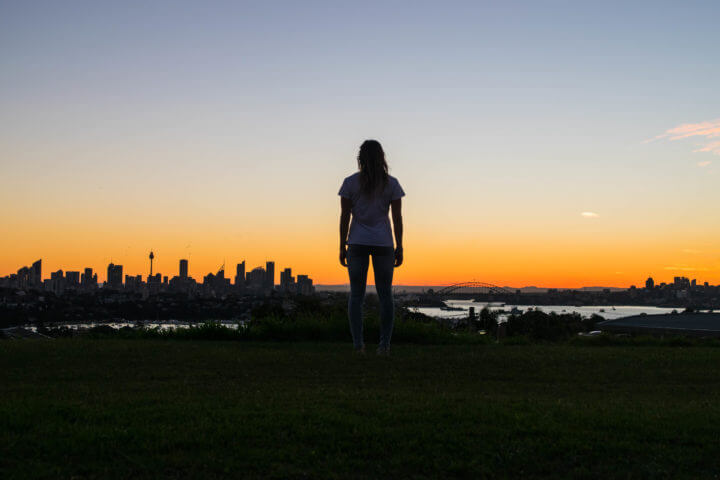
The Aussie Sunsets
I could not write about Australia without talking about the sunsets – obviously. The Outback delivers some of the most surreal evening skies on the planet; watching the red dirt around Uluru turn electric pink-gold as the sun drops is something I’ think about constantly’ll never forget.
Sydney sunsets are also pretty incredible (so much I wrote a whole article about them) from Mrs Macquarie’s Chair, Manly, or points along the harbor. The technicolor sky over Perth’s beaches (or all of the WA coast, honestly) will stay in your mind. The sun is disappearing behind the Melbourne skyline from the Tan Track along the Yarra is incredible, too. Australia is a photographer’s dream at golden hour, full stop.
Final Tips for Traveling Australia
There’s a reason so many travelers arrive in Australia on a two-week holiday and end up staying for months or years. It gets under your skin in the best possible way… the space, the light, the warmth of the people, and the sheer volume of extraordinary experiences and landscapes available will floor even the most seasoned of travelers.
Whether you’re chasing surf, ancient culture, wildlife, foodie highs, or that perfect sunset photograph, Australia delivers. Go slow, go deep, and say yes to every unexpected detour.
Have you traveled to Australia? Drop your favorite tip in the comments. I’d love to know what made it on your list!

Passionate, full-time travel blogger with over 230k on social media and 150kMPV blog. Extraordinary photographer with two DSLR's + a drone with a love for capturing candid moments, epic drone shots, and magical compositions. I'm a natural-born content creator originally from California, but I've been on the road for 9 years living, working, traveling, blogging, and photographing my way around the world. I recommend the most amazingly adventurous and unique + boutique travel experiences/stays and helpful products to my audience and write comprehensive guides on my website that have helped millions of travelers so far. I love to inspire people to plan their dream trips, and many readers have given feedback as such. The reach on my platforms continues to soar, especially when combining cutting-edge social content with optimized articles on my high-authority website.