
There’s a version of van life that lives on Instagram, and then there’s the real one. The Instagram version is all sunrise surfs, fairy lights inside a converted Sprinter, and coastal free camps with no one else around. The real version includes all of that, plus a stack of paperwork, a visit to Service NSW, and the slightly uncomfortable realization that “freedom on wheels” comes with a surprising amount of bureaucracy.
I’ve driven all over Australia, and New South Wales is genuinely one of the best states for van life. The coastline is unreal, the national parks are endless, and you can bounce between surf towns, rainforests, and remote bush camps within the same week. But before any of that fun starts, there’s an admin layer that trips up first-timers – especially travelers arriving from overseas who assume Australian rules mirror what they’re used to back home. Spoiler alert: they don’t.
Here’s everything I wish I’d known about the paperwork, permits, and legal side of van life in NSW before I hit the road.
Registration is a bigger deal than you might think
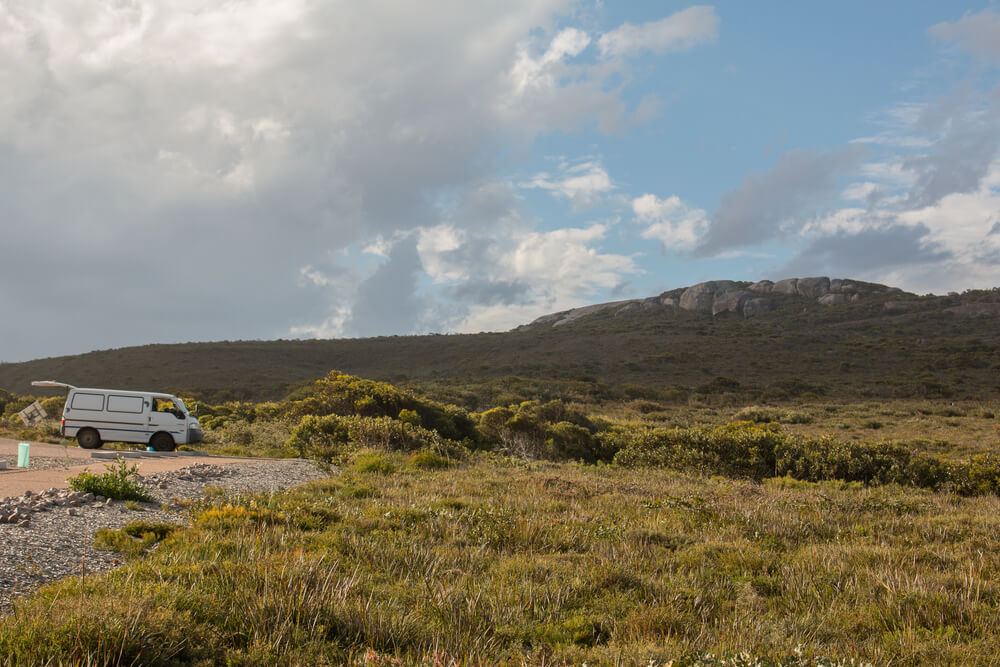
In NSW, a vehicle can’t legally be driven on public roads unless it’s registered with Service NSW. That applies to every van, camper, and motorhome, regardless of whether you bought it brand new, picked it up secondhand off Gumtree, or imported it from overseas.
The registration itself has a few moving pieces:
- Proof of ownership and identity
- A current safety inspection (if the van is over five years old)
- Compulsory third-party insurance (CTP, called a “Green Slip” in NSW)
- Payment of the annual rego fee, which includes a motor vehicle tax portion
If you’re buying a van from a private seller, the previous owner’s rego may still be on it for part of the year. That’s transferable to your name, but it has to be formally updated through Service NSW within 14 days of the sale to avoid a fine.
Interstate buyers have extra steps – vans coming from Victoria, Queensland, or anywhere else need to be re-registered in NSW, which usually involves a Blue Slip inspection on top of everything else I listed above.


The Green Slip is the one that confuses travelers most
Most countries have some version of compulsory auto insurance, but NSW’s Green Slip system works differently enough that it’s worth explaining properly.
A Green Slip is CTP (Compulsory Third Party) insurance. It only covers personal injury – if you crash and someone gets hurt (a passenger, another driver, a pedestrian), their medical and lost-income costs are covered. It does not cover damage to the van itself, damage to other vehicles, or your belongings inside. Those all require separate policies.
You cannot legally register a vehicle in NSW without a Green Slip. The purchase is a separate transaction from the rego fee, done through an approved insurer. Pricing varies depending on vehicle type, the age of the youngest regular driver, and where the vehicle will be based.
Several major providers offer Green Slips in NSW. NRMA Insurance is one of the most recognizable, and their policies lodge with Service NSW within the hour, which matters when you’re trying to complete a registration before a deadline. It’s worth comparing a few providers each year because CTP prices shift annually, and what was cheapest last year often isn’t cheapest this year.
Green Slips can be bought for either six or twelve months, matching whichever rego term you’ve chosen.
Don’t skip the vehicle inspection
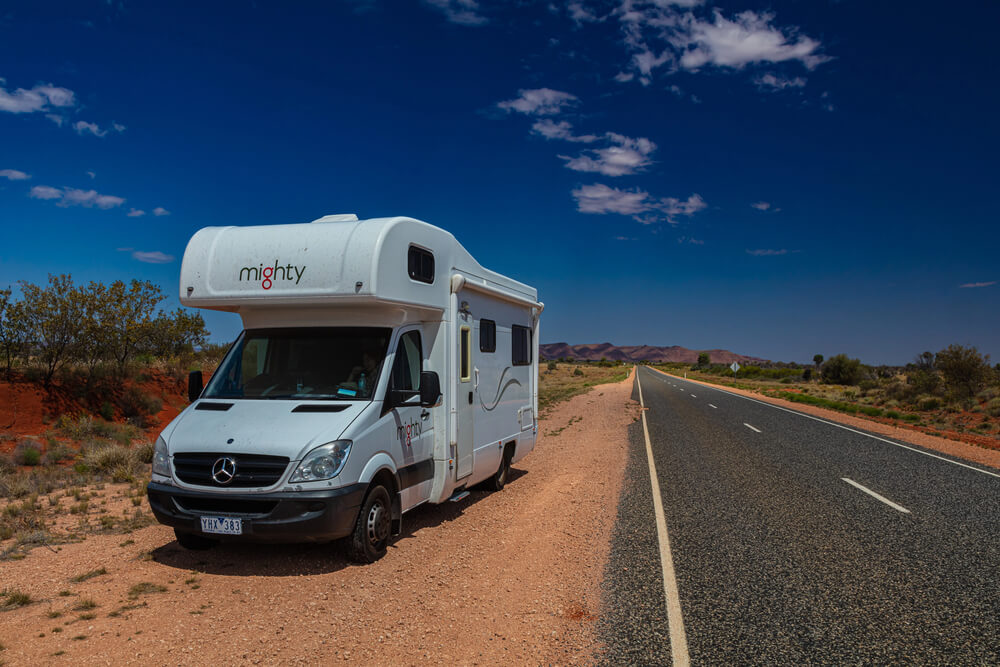
Any vehicle more than five years old in NSW requires an annual safety inspection, commonly called a Pink Slip (officially an eSafety Check). Older vans, which are exactly the kind most van lifers end up buying for budget reasons, fall squarely in this category.
The inspection covers the basics – brakes, steering, suspension, tires, lights, seatbelts, windscreen, and emissions. It’s pass/fail only, and if the van fails, repairs are required before re-inspection. Workshops that do Pink Slips are everywhere across NSW, and the certificate is lodged electronically with Service NSW the same day.
A few things to sort before the inspection:
- Check tire tread depth and replace if marginal
- Fix any warning lights on the dashboard
- Ensure all lights (headlights, indicators, brake lights, plate light) actually work
- Top up windscreen washer fluid and replace worn wipers
- Clear any obvious fluid leaks that might flag during inspection
Book at least two to three weeks before rego is due. That leaves time for repairs without missing the renewal deadline.
Comprehensive insurance is optional but highly recommended
The Green Slip covers injuries only. If something happens to the van itself – theft, fire, hail damage, a tree falling on it during a storm, or a prang you’re at fault for – that’s a comprehensive policy situation. It’s confusing – I know. And for van lifers specifically, contents insurance is often worth the extra money, because everything we own lives inside the vehicle.
Comprehensive premiums for vans are typically higher than for cars, partly because replacement costs for custom fit-outs can be high, and partly because vans get driven harder and parked in more varied locations. Some insurers offer dedicated motorhome and camper policies that take conversion value into account. Shop around.
The one thing I’d never skip is roadside assistance. Van life means being in remote places (which can be VERY remote in Aus), often at unsociable hours. A membership that covers towing and breakdown call-outs anywhere in Australia is worth every cent the first time a battery dies 200km from the nearest town.

National parks and free camping aren’t a free-for-all
NSW has an incredible network of national parks and free camping areas, but both come with rules that trip up international visitors.
National parks require a park pass for vehicle entry in most cases. An annual pass is cheap and pays for itself quickly if you’re planning to spend time in places like Kosciuszko, Blue Mountains, or Royal National Park. Day passes are available too, but buying multiple adds up fast.
Free camping is fantastic where it’s allowed, but it’s not automatically legal just because a spot looks empty. Councils across NSW have varied rules – some rest areas allow overnight stays, others don’t. Apps like WikiCamps and CamperMate crowdsource which locations are genuinely okay versus which will result in a 4 am knock on the window from a ranger. Fines for illegal camping are real, and they’re not small.
A few general rules that apply almost everywhere:
- No camping on beaches unless explicitly permitted
- No campfires in total fire ban periods (check the RFS site daily in summer)
- Grey water needs to be disposed of properly, not dumped in bushland
- Toilet waste goes to dump points only, which are mapped in the camping apps
- Always leave no trace – take rubbish with you
Once the admin and permits are sorted, NSW opens up beautifully. The state connects to some of the country’s best driving routes, and pairing the van with a longer itinerary is the fun part. Kimmie’s roundup of bucketlist-worthy Australian road trips is a great starting point for planning what comes next.


Urban NSW changes the rules again
Van life isn’t all bush camps and beaches. Sometimes the admin layer shifts when you roll into a city. Sydney, in particular, has strict parking rules, height restrictions at some car parks, and council-specific overnight restrictions that most van lifers learn about the hard way.
In most Sydney suburbs, sleeping in a van overnight on the street is a grey area at best and illegal at worst. Paid caravan parks, some suburban reserves, and designated RV spots are safer choices. Height-restricted car parks are everywhere – most CBD car parks cap out at around 2.1 metres, which rules out almost every high-roof van.
If Sydney is on the itinerary, it pays to treat the van as parked for a few days rather than trying to live in it actively. Park in a secure caravan park on the outskirts, catch the train in, and enjoy the city without stressing about parking rangers.

A simple admin checklist before hitting the road
Pulling it all together, here’s what every NSW van lifer needs sorted before the adventure starts:
- Registration in your name with Service NSW
- Current Pink Slip (eSafety inspection) if the van is over five years old
- Active Green Slip (CTP insurance) tied to the rego
- Comprehensive insurance for the van and contents
- Roadside assistance membership
- National park pass if you’ll be entering parks often
- A camping app downloaded with offline maps
- A rubbish bag, a toilet plan, and a grey water plan
None of this is glamorous, but all of it matters. Sorting the admin early means the fun parts – sunrise surfs, national park bush camps, coastal cliff drives – actually get to be the fun parts, without a Service NSW email haunting you from the background.
Van life in NSW is one of the best travel experiences on the planet once the paperwork’s handled. Trust me: do it properly, and the road opens up in ways it won’t if you’re constantly looking over your shoulder for a fine. Safe travels, legends.

Passionate, full-time travel blogger with over 230k on social media and 150kMPV blog. Extraordinary photographer with two DSLR's + a drone with a love for capturing candid moments, epic drone shots, and magical compositions. I'm a natural-born content creator originally from California, but I've been on the road for 9 years living, working, traveling, blogging, and photographing my way around the world. I recommend the most amazingly adventurous and unique + boutique travel experiences/stays and helpful products to my audience and write comprehensive guides on my website that have helped millions of travelers so far. I love to inspire people to plan their dream trips, and many readers have given feedback as such. The reach on my platforms continues to soar, especially when combining cutting-edge social content with optimized articles on my high-authority website.