
The Camino de Santiago attracts more than half a million pilgrims each year, and this number is only getting higher. Some are driven by spiritual or religious findings on the path, while others are simply looking for a way to detox and reconnect with nature.
Whatever the reasons, however, it’s one of the most rewarding journeys that every person should experience at least once, both mentally and physically. So, if you, too, are looking to embark on your very first Camino, here are the best route options for beginners.
Camino de Santiago Routes at a Glance
| Route and starting point | Approximate distance | Walking time | Why pick it? |
|---|---|---|---|
| Camino Francés from Sarria | 115 km | 5–6 days | A short first Camino with plenty of company and services |
| Camino Portugués from Tui | 115–120 km | 5–6 days | Historic towns, woodland, and a mostly gentle walk |
| Camino Inglés from Ferrol | 112–115 km | 5–6 days | A shorter route with fewer crowds and a few more hills |
| Camino Portugués Coastal from Porto | About 273 km | 12–14 days | Atlantic scenery and a journey through Portugal and Spain |
| Camino Primitivo from Oviedo | About 317 km | About 2 weeks | Mountain scenery and a challenge for fit first-time pilgrims |
| Full Camino Francés from Saint-Jean-Pied-de-Port | About 770 km | 30–35 days, plus any rest days | The classic long-distance pilgrimage |
| Full Camino del Norte from Irún | About 830 km | 35–40 days | Northern Spain’s coast, cities, and a more demanding walk |
About a Third of Pilgrims Walk the Camino Francés from Sarria
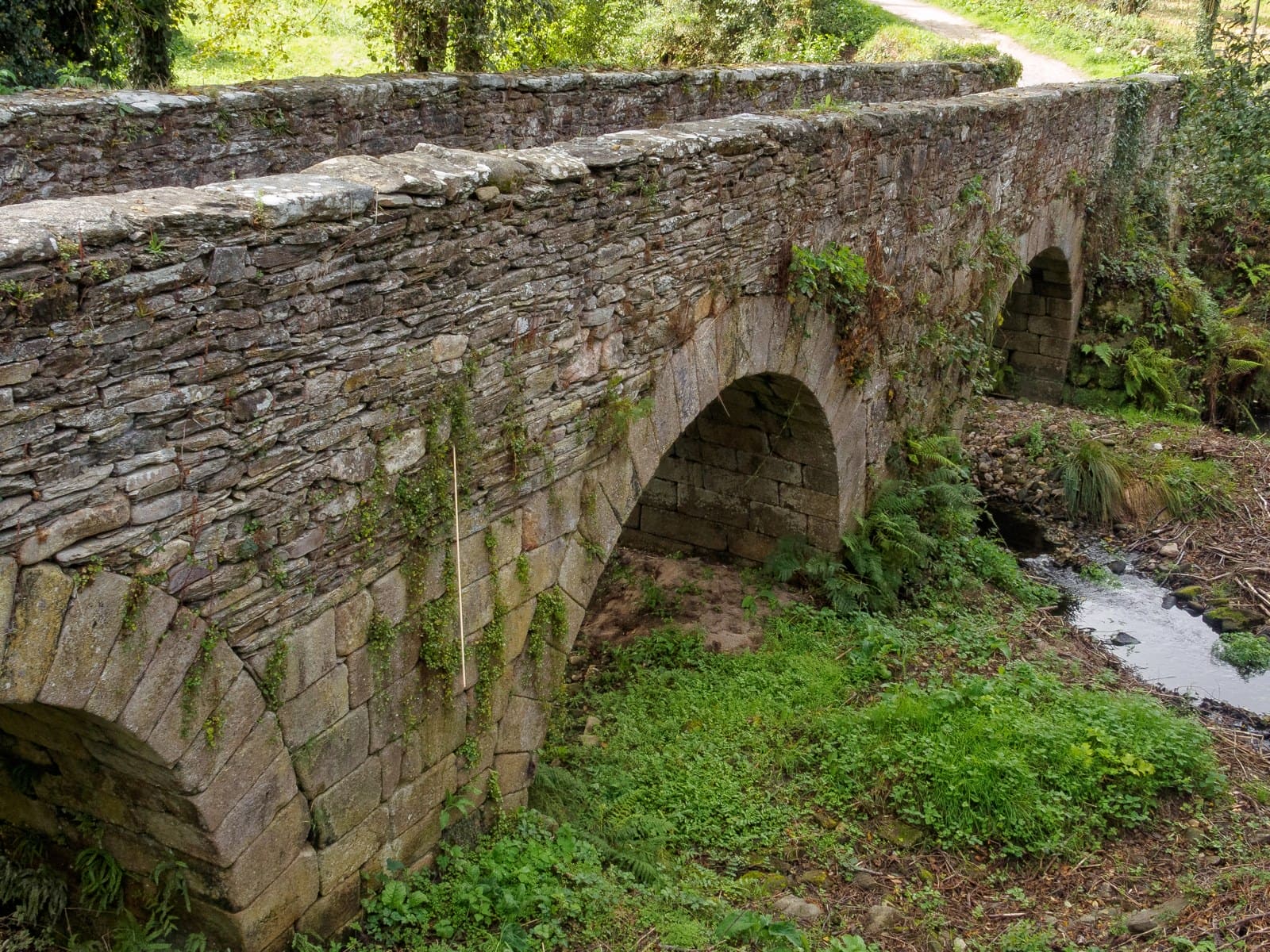
One of the more well-known routes for first-time pilgrims is the Camino Francés from Sarria, and there are a few reasons why. First of all, if you want to receive the Compostela, you have to walk for at least 100 kilometers to Santiago de Compostela.
The Compostela is the certificate issued by the Cathedral in Santiago to pilgrims who complete a qualifying pilgrimage for religious or spiritual reasons. You’ll need an official pilgrim credential to collect stamps along the way, with at least two stamps each day during the final 100 kilometers.
While the Camino Francés in its entirety stretches around 770 km, the section from Sarria covers the final 115 km or so. Most people complete it in 5 stages, with 20–30 km days, making it ideal for a week-long walking holiday.
Additionally, the terrain between Sarria and Santiago de Compostela is generally kind and manageable for people of varying fitness levels, including families with children. You’re primarily walking through rolling Galician farmland and shaded woodland, visiting small rural villages along the way.
Thanks to its popularity, the route is also known for its excellent infrastructure, with clear waymarkers and services available throughout, including shops, cafes, restaurants, laundromats and pharmacies.
The only downside, however, is how busy the trails get. Anytime from May to September, when the weather is pleasant for walking, Camino Francés is heaving with pilgrims, especially in the final stretch from Sarria. So, booking accommodation and any transfers you need early is a good idea if you choose this route.
Other Popular 100-Kilometer Routes
If the Camino Francés from Sarria sounds a bit too busy, but you still want to contain your journey to around 100 km for the Compostela, there are many other Camino routes and stages you can choose from. You can also find maps and daily walking distances there to help you compare the options.
Camino Portugués from Tui
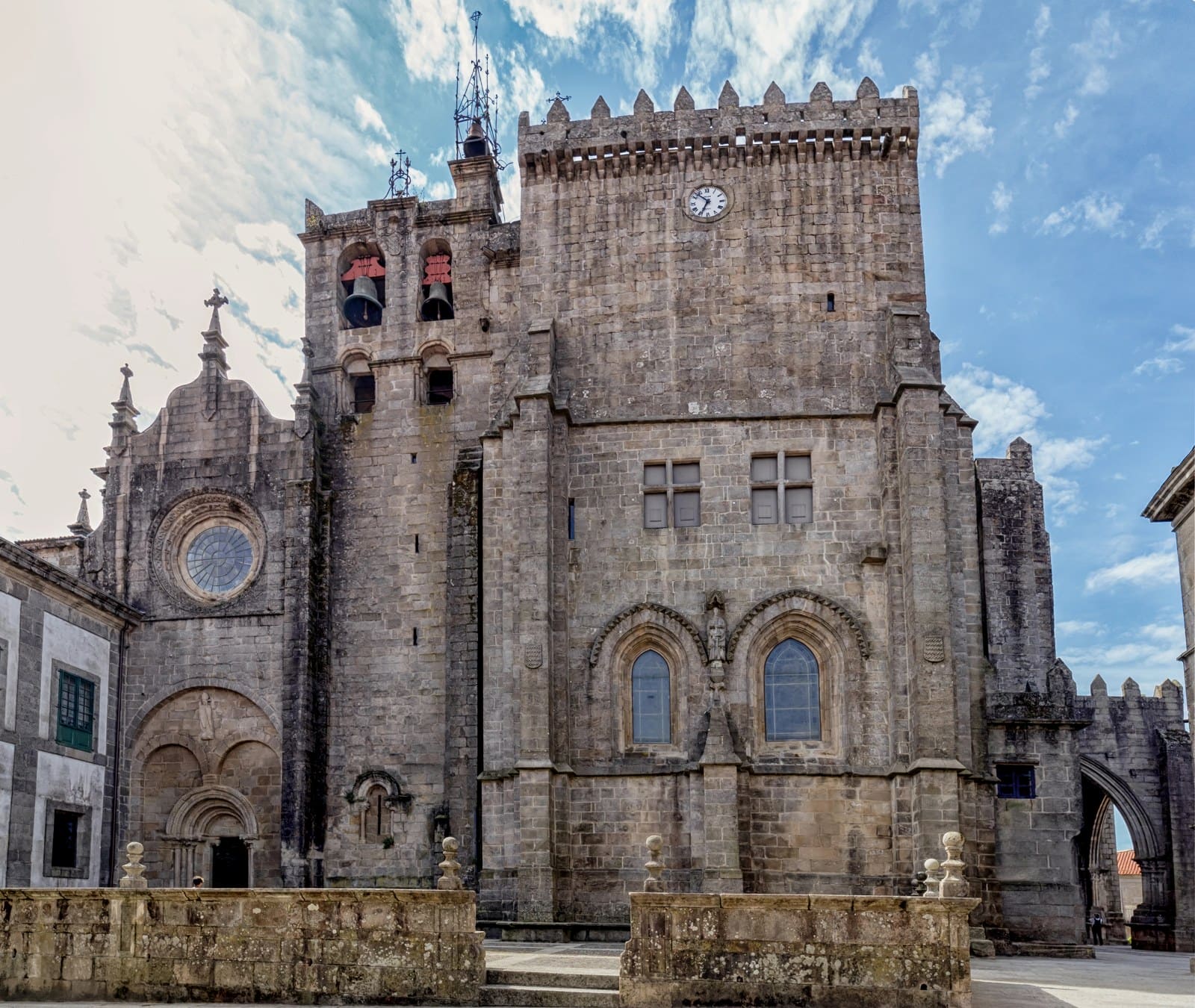
The Portuguese routes together welcome around 200,000 pilgrims each year, making them the next most popular choice after the Francés. One of the most popular starting points on the Central route, Tui, sits on the Spanish bank of the River Miño, facing the Portuguese town of Valença, and it’s around 115 km away from Santiago de Compostela.
The route runs north through Pontevedra and Padrón, past small villages and woodlands. Expect a little more asphalt than on the Francés, although the terrain is mostly flat with a couple of hills that might wind you a little, and the signposting is good. Pontevedra’s old town is a lovely place to spend a little extra time if you aren’t rushing through each stage.
Camino Inglés from Ferrol
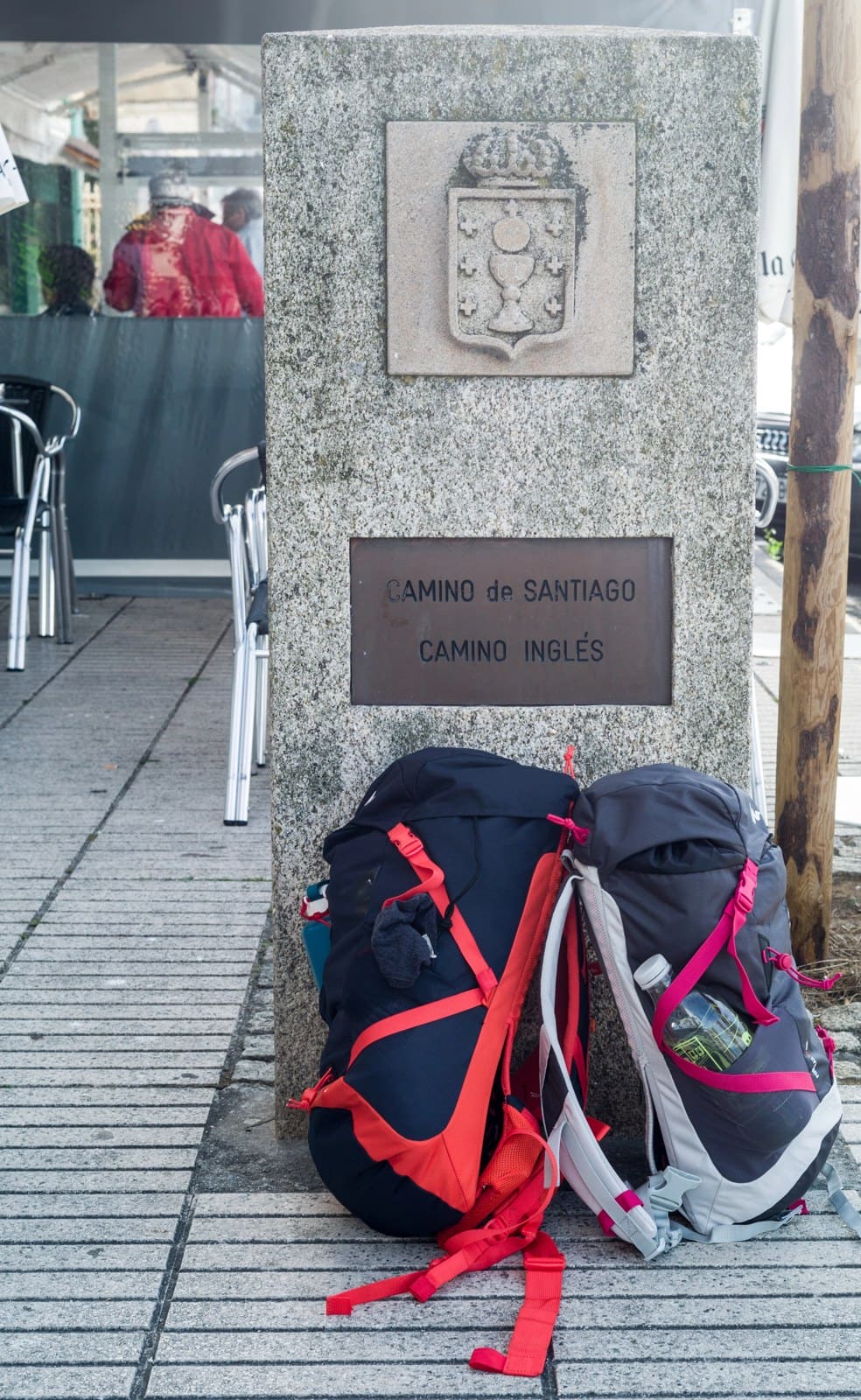
The Camino Inglés has two major starting points: A Coruña and Ferrol. However, the former only covers around 75 km, usually leaving you short of receiving the Compostela unless you meet an exception, such as documenting additional qualifying walking before arriving in Galicia. That’s why the majority of pilgrims walking the English Way choose to start in Ferrol, a naval port on Galicia’s north coast.
From Ferrol, it’s around 113 km to Santiago, usually spread over five or six walking days. Services here are a bit more scarce compared to the other two routes, but still good. There are also a few more strenuous days in terms of inclines but, overall, the route is still considered beginner-friendly.
Longer Camino de Santiago Routes
Not every first Camino has to fit inside a week. Some people have 10 or 14 days to spare, while others can devote a month or more for a truly immersive experience. If that sounds like you, here are some popular options:
Camino Portugués Coastal Route
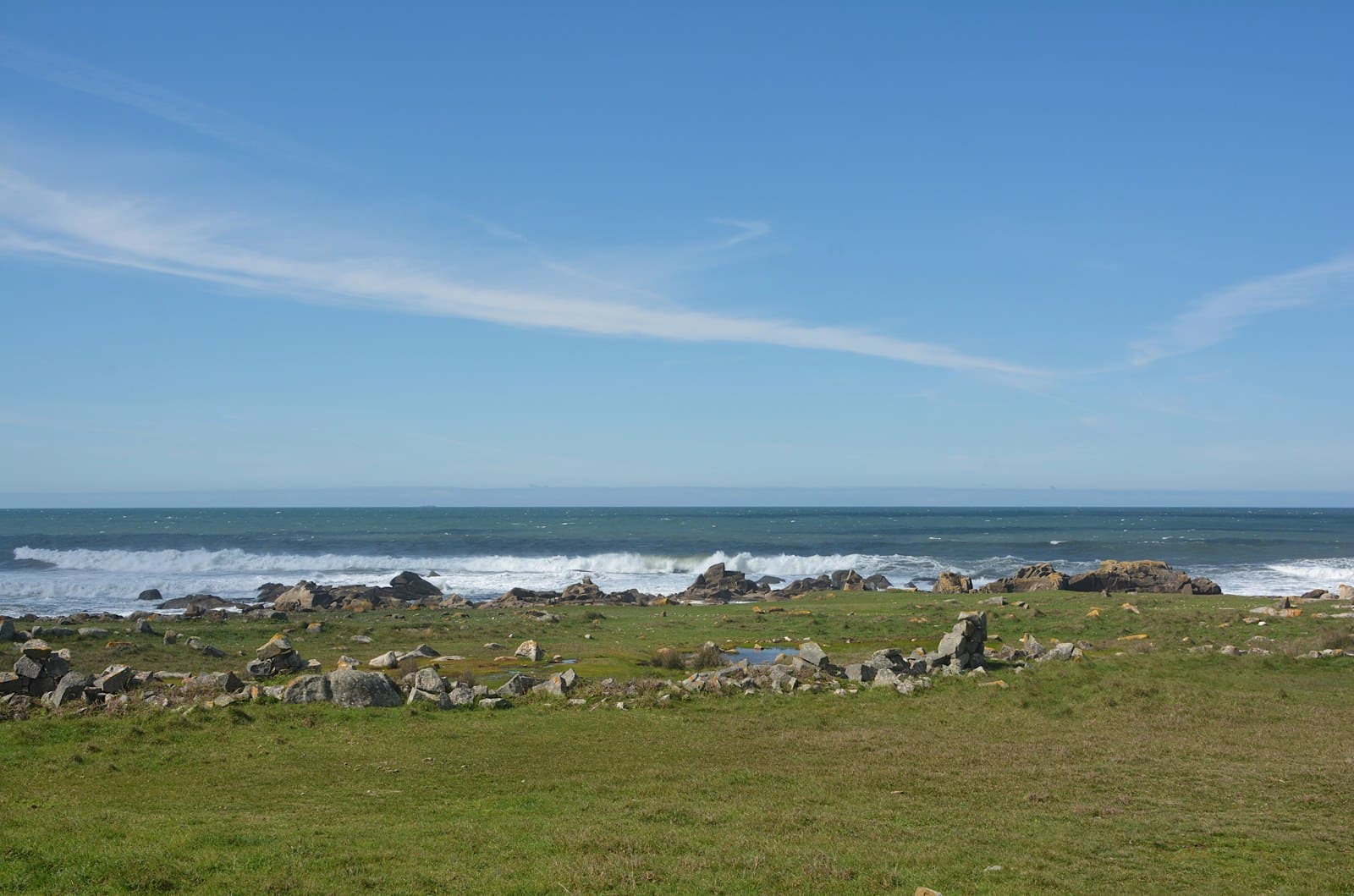
The Camino Portugués has two main options from Porto: inland and coastal. The Coastal route starts in Porto and follows the Atlantic coastline for much of its roughly 273 km, before joining the Central route at Redondela. Usually split into around 12 stages, it takes about 2 weeks to complete.
It’s a gentle route with little climbing and plenty of services along the way, making it a great choice for a first long-distance walk. It also covers two countries in one trip (Portugal and Spain), allowing you to experience both cultures and try a great variety of dishes.
Camino Primitivo
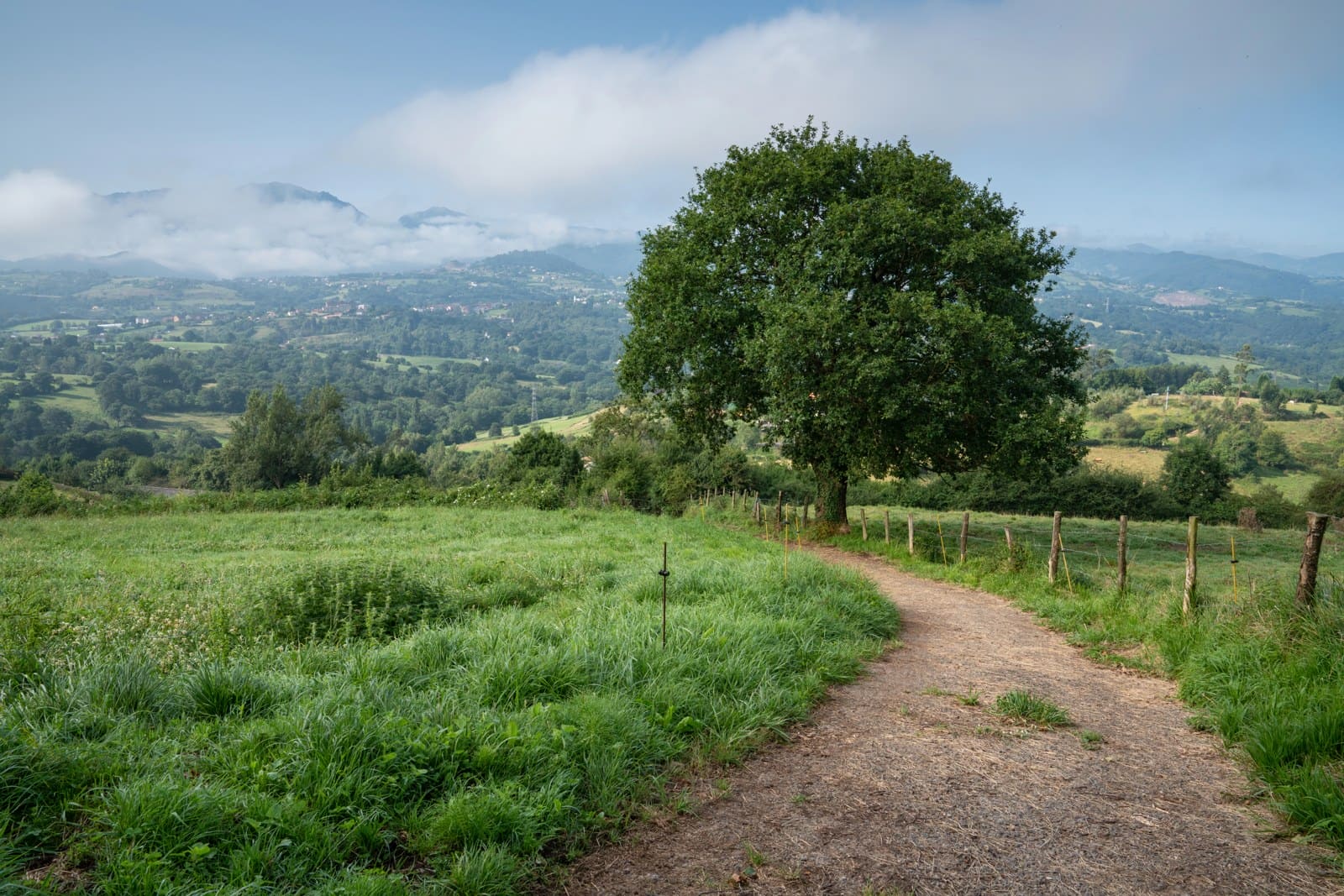
Camino Primitivo, also known as the Original Way, is the oldest of the Camino de Santiago routes, dating back to the 9th century. The route runs for around 317 km from Oviedo (although shorter alternatives are available too) and covers 14 stages, crossing the Asturian mountains before dropping into inland Galicia.
It’s widely regarded as one of the toughest trails on the network, with a total elevation gain of up to 11,064 meters completed in around 2 weeks. The route is only walked by around 5% of all Camino pilgrims (or approximately 30,000 people). It’s an option for a first Camino if you’re already comfortable with long, hilly walking days, but it wouldn’t be my first suggestion for someone new to hiking. It’s also part of the UNESCO-listed Camino routes, with a history that goes back well over a thousand years.
Full Camino Francés
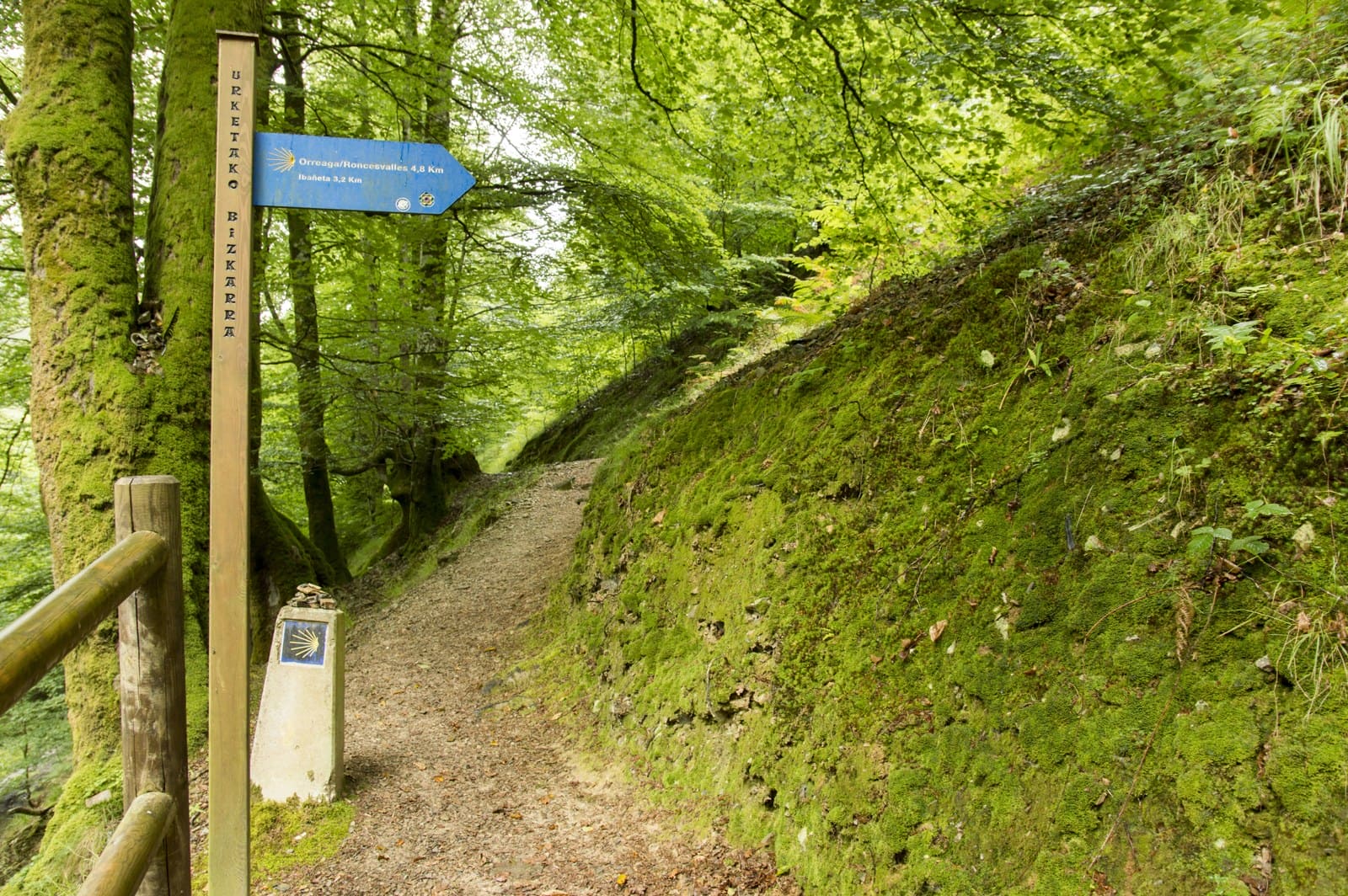
If you’re feeling brave and want to challenge yourself to a month-long walk, the most popular choice is, of course, the Camino Francés. Around 30,000 pilgrims who collect their Compostela in Santiago each year start in Saint-Jean-Pied-de-Port, although many more join the route along the way.
The full Camino Francés from Saint-Jean-Pied-de-Port is around 770 km, usually split into 33 stages, and it requires 30 to 35 days to complete, plus any rest days. While most of the track is easy to moderate in difficulty, the first day really sets the tone with a challenging climb over the Lepoeder pass in the Pyrenees (keep in mind that this high route is off-limits from November through March, when walkers use the Valcarlos alternative).
Full Camino del Norte
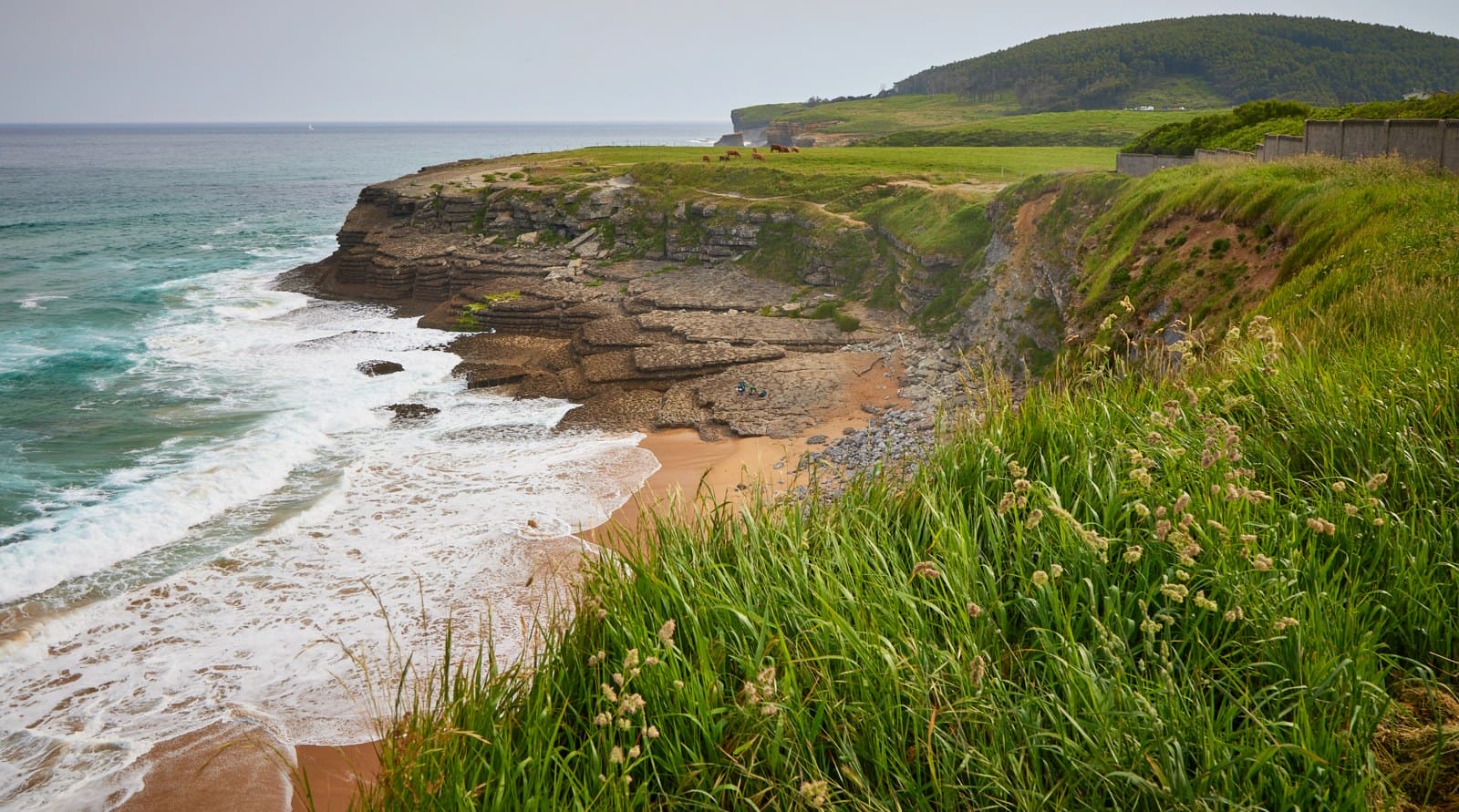
The Camino del Norte (the Northern Way) is longer still, at around 833 km in 36 stages from Irún, taking up to 40 days to complete. The path runs along the northern coast of Spain (hence the name), through the Basque Country, Cantabria, Asturias and Galicia, mixing sea views with hills and inland stretches before heading inland through Galicia. Planning a longer trip around your walk? Check out my Spain travel tips and coastal places to visit in the Basque Country for more ideas.
Only 4% of pilgrims choose it each year (or approximately 21,400 people), and some sections can be pretty thin on pilgrim services and require extra planning. In terms of difficulty, the route has a good balance between challenging and easier days, but it certainly requires a good level of physical preparation.
Start at Your Own Pace
Your first Camino de Santiago experience should be based on your own preferences and fitness level, so don’t feel pressured into choosing the longest or most challenging option. If you feel a little nervous, the Camino Francés from Sarria or one of the Camino Portugués routes are a safe bet and a great first taster for the Camino experience.
And, since the Cathedral is not going anywhere, you can always come back for another challenge!

Passionate, full-time travel blogger with over 230k on social media and 150kMPV blog. Extraordinary photographer with two DSLR's + a drone with a love for capturing candid moments, epic drone shots, and magical compositions. I'm a natural-born content creator originally from California, but I've been on the road for 9 years living, working, traveling, blogging, and photographing my way around the world. I recommend the most amazingly adventurous and unique + boutique travel experiences/stays and helpful products to my audience and write comprehensive guides on my website that have helped millions of travelers so far. I love to inspire people to plan their dream trips, and many readers have given feedback as such. The reach on my platforms continues to soar, especially when combining cutting-edge social content with optimized articles on my high-authority website.