
Australia is incredible… but it is most certainly not cheap! This country is known for its stunning scenery and amazing lifestyle, but unfortunately, it’s also quite well-known for being expensive.
Whether you live here or are traveling around the country on a budget, costs add up fast. I learned this the hard way while living and traveling in Australia, from during my own WHV years (backpacking and farm work included) to corporate job life in the city.
The good news is that you absolutely can save money in Australia… you just need to be intentional. Below are practical, real-life tips and creative ideas to stretch my dollars while still actually enjoying life down under.


Australia Is Expensive… Here’s Why You Need a Plan
Compared to much of Europe, the UK, and even parts of the US, everyday costs in Australia can feel high. Rent in Sydney, Melbourne, and other cities is steep. Eating out is pricey. Alcohol is eye-wateringly expensive.
If you treat it like a holiday free-for-all, or even if you aren’t super careful, your savings will disappear fast. If you treat it strategically, you can live well and still save.
Smart Budgeting & Money Habits
Let’s start with habits and budgets – the most boring way to save money in Australia, but in all honesty, the most effective.
Have a Budget and Actually Track It
You cannot save what you do not measure. This fact is hard for me to accept even to this day, but the earlier you start budgeting, the better – truly. Use a budgeting app or a simple spreadsheet and track expenses weekly.
When I first moved to Sydney, I was shocked at how much was disappearing on small things like cocktails and Ubers. Seeing it in writing changes behavior fast.
Set Clear Financial Goals
Do not just “try to save” – trust me, that was my whole stategy fo years. Save for something, or have a specific monthly financial goal. Save for a road trip, an Asia trip after your visa, an emergency fund, or a house deposit. Having a tangible goal makes skipping the extra cocktail much easier.
Build a Sustainable Savings Plan
Save with every paycheck, even if it’s small. In fact, starting small is good… almost as good as staying consistent. Automate transfers into savings if possible. Treat savings like a non-negotiable bill.
Start Small and Stay Consistent with Habits
If you are overwhelmed, start with one habit. For example, pack lunch three times a week, cancel one subscription, cut alcohol in half…. things like that. Momentum builds quickly.
Think Before Big Purchases
Avoid impulse buying. When you want something expensive, wait a few days. A general rule to follow is that the bigger the purchase, the longer you should wait before deciding to buy it or not. Something $100? Give it a day or two. Somethins $500+? Give it a few days to a week.
Go Through Your Statements Regularly
Scan your bank and card statements every month. You will almost always find something you forgot about – I definitely do! A random subscription. A double charge. It adds up.

Entertainment Without Blowing Your Budget
Choose Low-Cost Entertainment
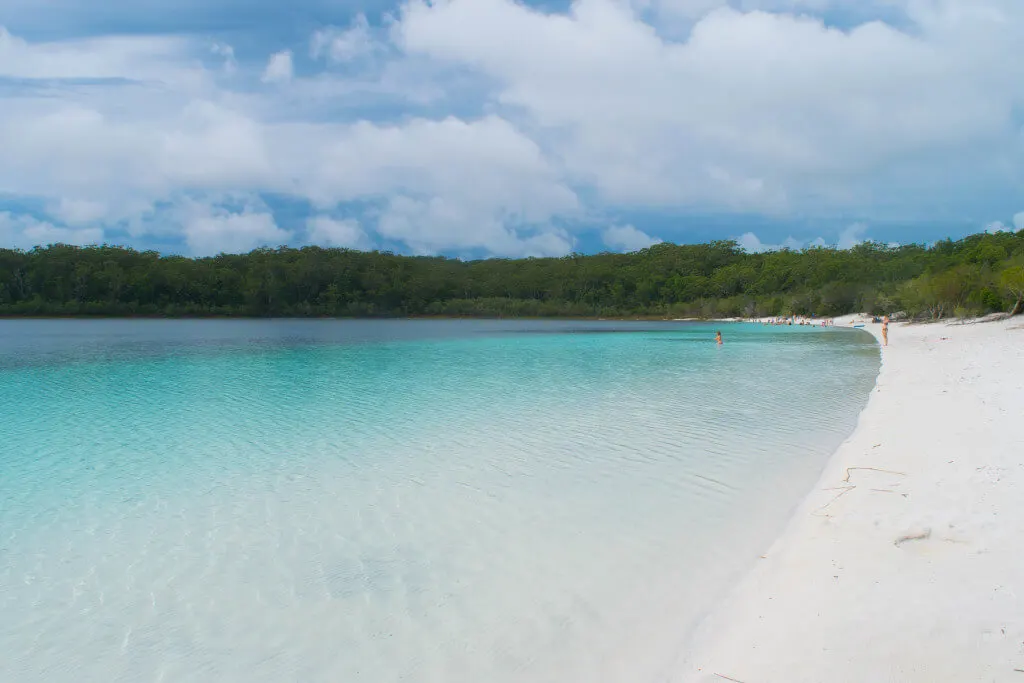
Not every night needs to be a bar tab! Host dinners, beach days, or movie nights at home. Scout out free festivals (there are LOTS in Aus) to enjoy a cheaper day out. Go hiking and spend time in the outdoors.
If you enjoy online entertainment, choose carefully and responsibly. Some people look for the best online casino australia as a form of entertainment – many Aussies love to gamble. If you must, always set limits and treat it like any other paid activity.
Grocery & Food Savings
This is another HUGE one when done right.
Shop at Aldi
Aldi is elite for saving money in Australia. Groceries here can be significantly cheaper than Coles or Woolworths, especially for basics. Aldi has some truly amazing deals, which are a breath of fresh air in Australia. This place has funded many budget-friendly dinners in my life, and their wine section is unbeatable for the cost.
Compare Unit Prices
When grocery shopping, don’t just look at the sticker price… Take a second to check the price per 100g or per litre to see what is actually cheaper. Bigger is not always better.
Plan Meals Around Weekly Specials
Check what is on sale and build your meals around that. Whether you start your grocery trip by browsing the red tags or collect the supermarket catalogue before you go, this one habit alone can cut your grocery bill noticeably.
Meal Prep and Cook at Home
Eating out constantly in Australia will destroy your budget. One of the tried-and-tested BEST ways to save money in Australia (and save time in your week) is to meal prep. Shop for a batch of groceries, cook it all, and freeze meals that can last a week or even two! This saves money on groceries, but honestly saves even more money on food delivery/Uber Eats when you run out. I cannot understate how helpful this is, no matter how annoying it is to do.
Minimize Food Waste
Use leftovers before they go off and find creative ways to eat them. I know this goes without saying, but seriously… most households waste a ton of money on food waste each year. I have made some questionable but surprisingly decent everything-in-the-fridge stir fries. Also, check what you already have before you grocery shop, and consider how things can be used together.
Minimize Alcohol
Alcohol is one of the biggest silent budget killers in Australia. And it’s also what most social gatherings are centered around. This is NOT good for the budget… especially in Australia, sadly.
Cocktails are expensive. Beer is not cheap. Wine is heavily taxed. The cheapest option is not drinking. The next cheapest is Aldi wine (or goon, lol). The third is religiously scouting and visiting happy hours.
Transport Savings
You can save significantly on getting around if you put your mind to it (and live in a place that makes sense for it).
Get a Bicycle!!
If you have to commute, consider buying a bicycle to do it instead of taking the car or other transport. This is BY FAR the most cost-effective way to get around. When I bought a bike on Facebook marketplace in Melbourne, I not only cut out transport costs but also got fitter as well! Two birds with one stone.
Sydney and Melbourne both have solid cycling communities. Public bikes and scooters can work too (I love Lime), but owning a cheap bike is usually cheaper long term.
Use Public Transport, and Do It Strategically If You Can
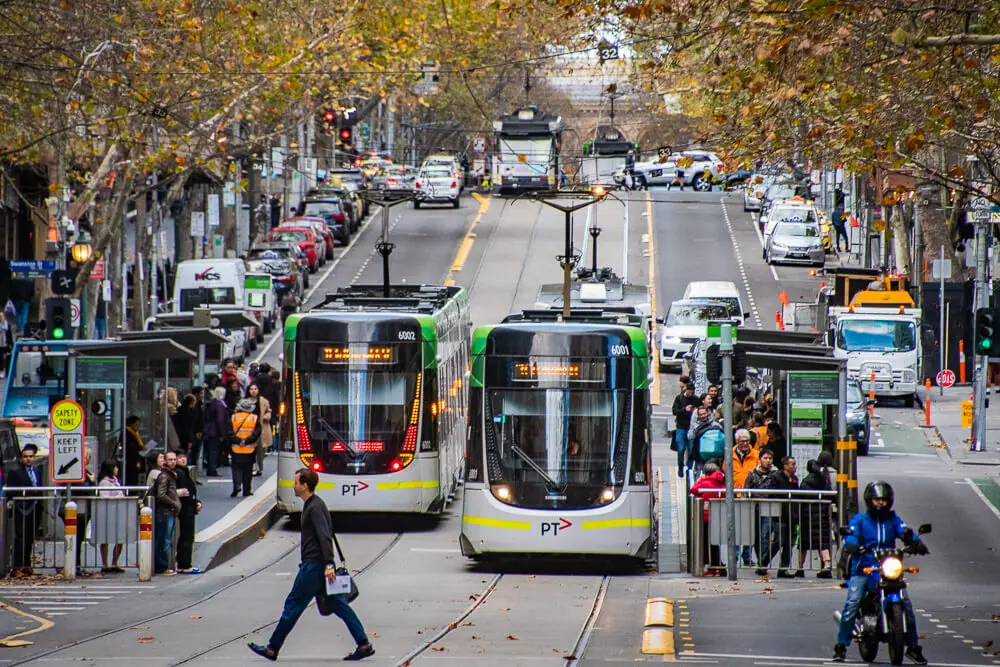
Get a transport card and understand caps and off-peak rates. This is an underrated way to save a few bucks here and there, if you don’t have to be at work at an exact peak time. In some cities, too, you stop being charged after a daily limit… so if you are traveling, plan big days to explore all at once.
Ubers add up fast… so make an effort to combine trips. Walk when possible and treat rideshares as occasional, not default. This is also easy to do when you drink and go out less… just saying!! (Brb, making a note to take my own advice).
Buy a Cheap Car for Travel
If you are traveling long term, buying a cheap car with cash can be FAR cheaper than renting. This is what most people do while traveling in Australia. Buy a car in one city, sell it in another. It’s much cheaper than trains, rentals, flights, and busses. As long as it runs and passes basic checks, it can save thousands compared to constant rentals.
This is also great for when you live here. Instead of opting for a nicer car, just have something that works while you’re intent on saving. You just need to get from point A to point B – for now.

Phones & Subscriptions
This is a huge one, especially in Aus. With monopolies vying for your business, choose the small company!
Buy Your Phone Outright + Choose a Prepaid Plan
Avoid expensive, long term phone contracts by buying your phone outright. Instead of opting for expensive monthly plans with the bigger providers in the country (not naming names…), choose a cheaper prepaid plan. Many people use Aldi Mobile for around $25 a month, and it works perfectly fine.
Review Subscriptions Regularly
Streaming, gym, random apps… not only do they creep in, but they are easily forgotten. Check your subscriptions monthly, and cancel what you are not using. For even more savings, use one streaming service at a time instead of five.


Smart Spending & Shopping
Now, some foolproof ways to shave money off other purchases.
Use Cash for Discretionary Spending
If you struggle with overspending, withdraw a set amount of cash for the week. When it is gone, it is gone. This is surprisingly effective!!
Use Cards and Digital Wallets Responsibly
If you are tempted by tap-and-go, leave your wallet at home for social outings to force yourself not to spend frivolously. It’s strict, but it works… obviously 😛
Thrift, Kmart & Big W
Australia may be expensive, but it sure does have ways to get clothing affordably. Take advantage of this. Yes, there are lots of amazing designers here, but you don’t need those right now. Thrift stores are gold in Australia. Kmart and Big W are genuinely useful for basics… and hey, sometimes you can even find something cute AND functional!
Buy and Sell on Marketplace
Facebook Marketplace is huge in Australia. Buy secondhand furniture, bikes, kitchen items, and more. Sell anything you don’t need for ome extra cash in hand.
Collect Points & Rewards
There are actually so many different kinds of rewards programs in Australia… join them. Use Flybuys at Coles. Platforms like ShopBack and Cashrewards give you small percentages back. It is not life-changing money, but it adds up over time.
Collect Bottles and Cans
Several states have container refund schemes. Return bottles and cans for cash. It sounds small, but over months it is surprisingly satisfying.


Energy & Home Savings
This is a big category how to save money in Australia not to overlook!
Switch Energy Providers
Opening deals can be much cheaper than staying loyal. Check every few months if another company is offering better rates, or switch back and forth between new customer bonuses.
Use Energy Wisely
There are loads of ways to use energy wisely! Only run laundry on full loads. Turn appliances off at the wall. Use heating and cooling sparingly. Electricity bills in Australia can sting.
Look Into Energy Rebates and Solar Power.
Depending on your state, rebates and incentives may be available. If you own property and can afford it, solar can significantly reduce long-term costs.
Group Insurance Policies
Bundling home and contents or other insurance policies can reduce overall premiums.


Working & Earning in Australia
Consider a Working Holiday Visa
If you are eligible, the Working Holiday Visa is one of the best ways to fund your time in Australia.
I did farm work, hospitality, and city jobs during mine. It allowed me to travel while earning local wages – and the wages in Australia are comparative to the costs… HIGH. If you want a full breakdown, read my complete Working Holiday Visa guide here. You can live frugally, save aggressively, then road trip and travel between contracts.
Work Overtime, Holidays and Doubles where Possible
The government (or your employer) would never recommend this, but Australia has some of the best penalty rates on the whole planet. If you work, try to work overtime or on holidays for 1.5 or even 2x hourly wages. Check the laws in your state and see if you can swing some penalty shifts. You’re welcome.
Work for Accommodation (Rural or Backpacker)
There are a lot of ways to work for accommodation, whether you’re a budget traveler or simply a resident working rurally. Hostels and farms often exchange a few hours of work for free accommodation (like when I did my farm work – story here). Tons of rural jobs provide workers with living quarters for as low as $50-$200 a week. Finding any opportunity that comes with accommodation dramatically reduces costs.
Follow Seasonal Work
Harvest seasons mean jobs are everywhere. If you are flexible and willing to move, you can earn solid money in short bursts, especially in a country where farming is so important.


Tips to Travel on a Budget in Australia
Camp Instead of Booking Hotels
Australia has amazing low-cost (or even free) campsites. Lots of travelers camp from their car (or even campervan) to be able to see all the amazing landscapes Australia can offer.
Book Flights Early
Domestic flights can be reasonable if booked in advance (and unreasonable if not, lol). Be flexible with dates and LOOK EARLY to get the best deals.
Look for Free Events + Explore Free Outdoor Areas
Cities like Melbourne are packed with free festivals and events year-round. Beaches, national parks, coastal walks, hikes… many of Australia’s best experiences cost nothing. Australia rewards people who like being outside.
Final Thoughts
Saving money in Australia is not about deprivation; it’s about intention.
I have lived in Sydney and Melbourne, done the working holiday visa, worked farms, road-tripped the coast, and learned the expensive lessons firsthand. Australia can drain your bank account fast… or it can be one of the most financially rewarding and adventurous places to live. Even with the expensive cost of living, it cannot be forgotten that living in a country with some of, if not THE best wages IN THE WORLD is pretty dang cool.
With smart habits, a clear goal, and a bit of discipline, you can save up for anything, even while living here. And that freedom feels better than any overpriced cocktail ever could.

Passionate, full-time travel blogger with over 230k on social media and 150kMPV blog. Extraordinary photographer with two DSLR's + a drone with a love for capturing candid moments, epic drone shots, and magical compositions. I'm a natural-born content creator originally from California, but I've been on the road for 9 years living, working, traveling, blogging, and photographing my way around the world. I recommend the most amazingly adventurous and unique + boutique travel experiences/stays and helpful products to my audience and write comprehensive guides on my website that have helped millions of travelers so far. I love to inspire people to plan their dream trips, and many readers have given feedback as such. The reach on my platforms continues to soar, especially when combining cutting-edge social content with optimized articles on my high-authority website.