
These Vietnam travel tips come from experience – namely, a backpacking trip that involved overnight buses, incredible food, some very personal discoveries, and almost not getting into the country in the first place. I like to think I’m a fairly capable traveler, but Vietnam certainly gave me a few stories that suggest otherwise.
My dad served in Vietnam, so traveling here meant more to me than following the usual backpacker route. Alongside the beaches, caves, and bowls of noodles, I visited places he had told me about and tried to understand a country I had grown up hearing about from a very different perspective.
There’s SO much to experience here, and a little preparation makes a big difference – especially if you would prefer your first night’s accommodation to involve a bed rather than a pool table. More on that shortly.


1. Sort Out Your Vietnam Visa BEFORE You Go
On my first backpacking trip, my friend Zoe and I assumed getting a “visa on arrival” meant we could sort everything out when we arrived. Other travelers had assured us it was easy, and we had entered other Southeast Asian countries without much trouble, so we thought we were fine.
We were not fine. The night before our flight from Laos, we discovered that Zoe needed an approval letter before she could even check in.
Her approval finally arrived at 12:10, the minute our gate was supposed to close for our 12:50 flight, after increasingly desperate phone calls from an airport computer inside a gift shop. Then the printer didn’t work. Honestly, you couldn’t make this stuff up if you tried.
I wish we’d organized everything properly through a service like iVisa, which I’ve used since, instead of relying on half a conversation with someone in a hostel. They offer help checking requirements and reviewing applications for a service fee, which can be useful if you want support with the paperwork. They can’t approve your visa or issue it of course, but they can help every step of the way.
Check what applies to your passport, your trip length, and whether you need single or multiple entry. Vietnam offers e-visas for stays of up to 90 days, while some travelers qualify for exemptions; iVisa’s Vietnam e-visa page is a useful starting point if you need one.
Allow time for processing and corrections, check every passport detail, and save your approved documents offline. The rules from our trip have changed, but you can still enjoy the full story of how we nearly didn’t get into Vietnam if you’d like to feel better about your own travel planning. It’s a funny one.

2. Be Realistic About How Much You Can See
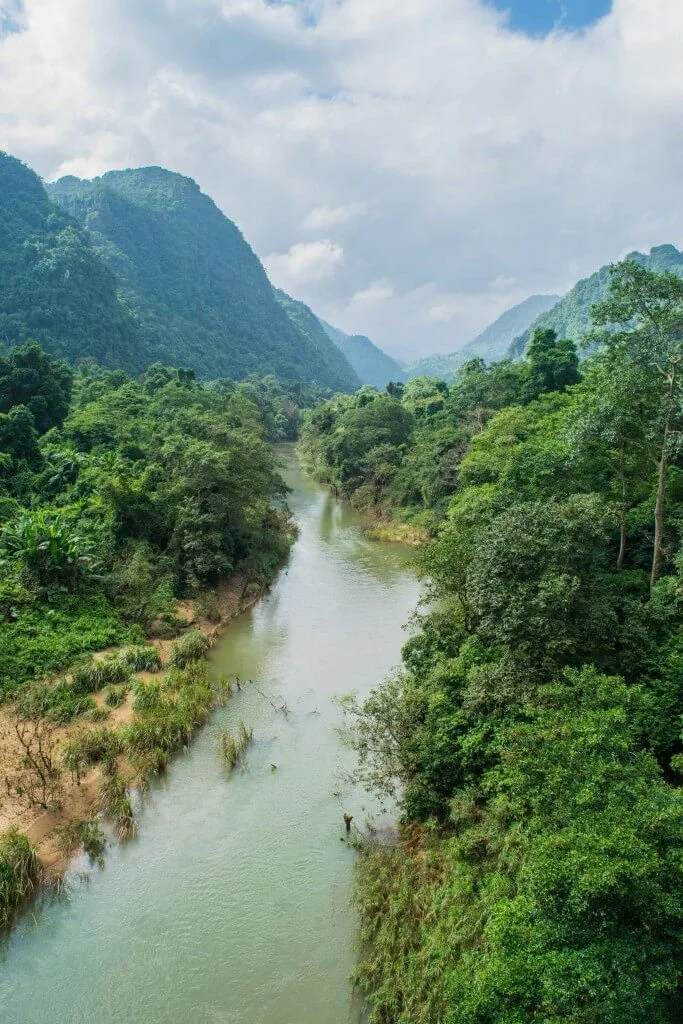
I would consider two weeks pretty much the bare minimum for a trip covering northern, central, and southern Vietnam. We were moving quickly, taking lots of overnight buses, and spending only a couple of days in most places… and we still felt like we were barely scratching the surface.
We missed Sapa and Da Lat entirely, which are very loved travel destinations in Vietnam. If either is high on your list, give yourself more time or remove another stop rather than assuming you can squeeze everything in.
My two-week Vietnam itinerary follows the general route we took. It suits people who like an active trip; if you prefer settling down somewhere and relaxing more than going out exploring each day, pick fewer destinations or concentrate on one region.
3. Visit the War Museums, but Be Prepared for What You’ll See
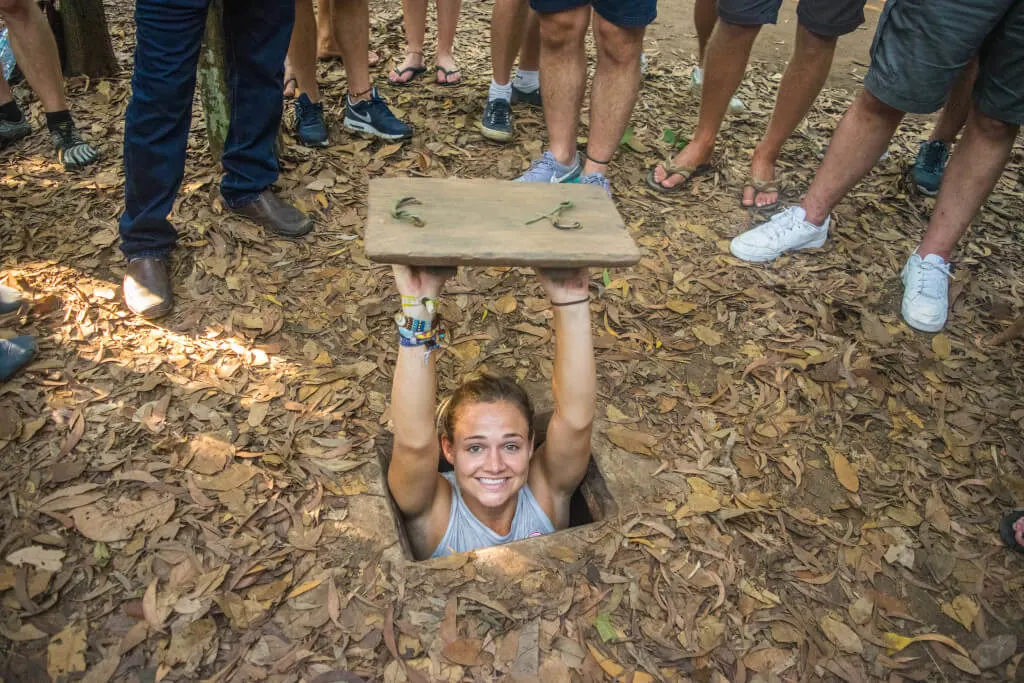
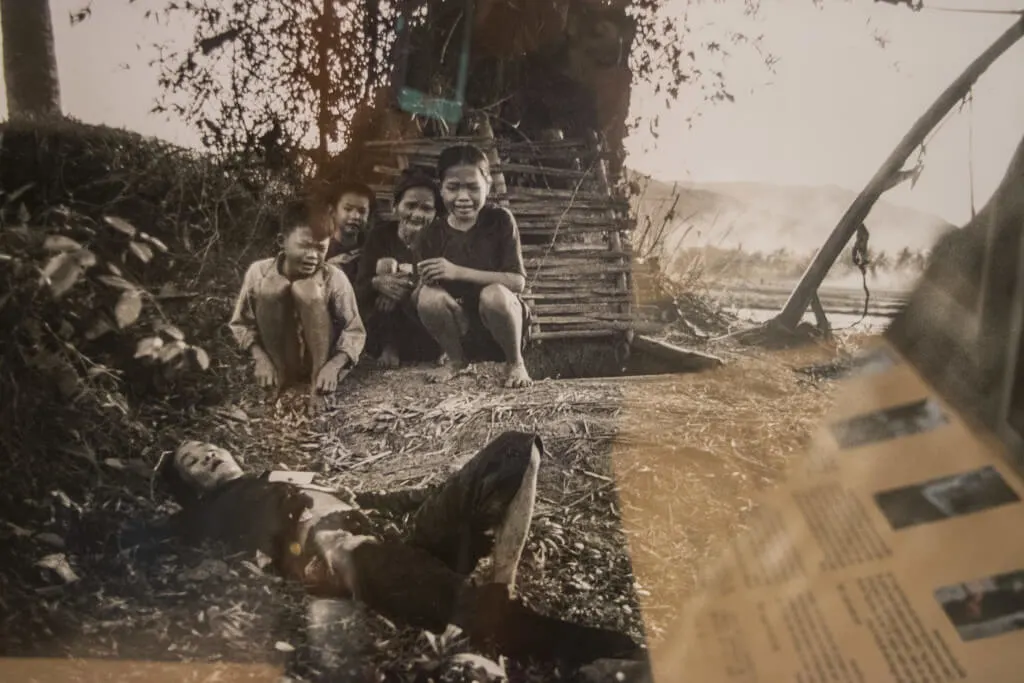
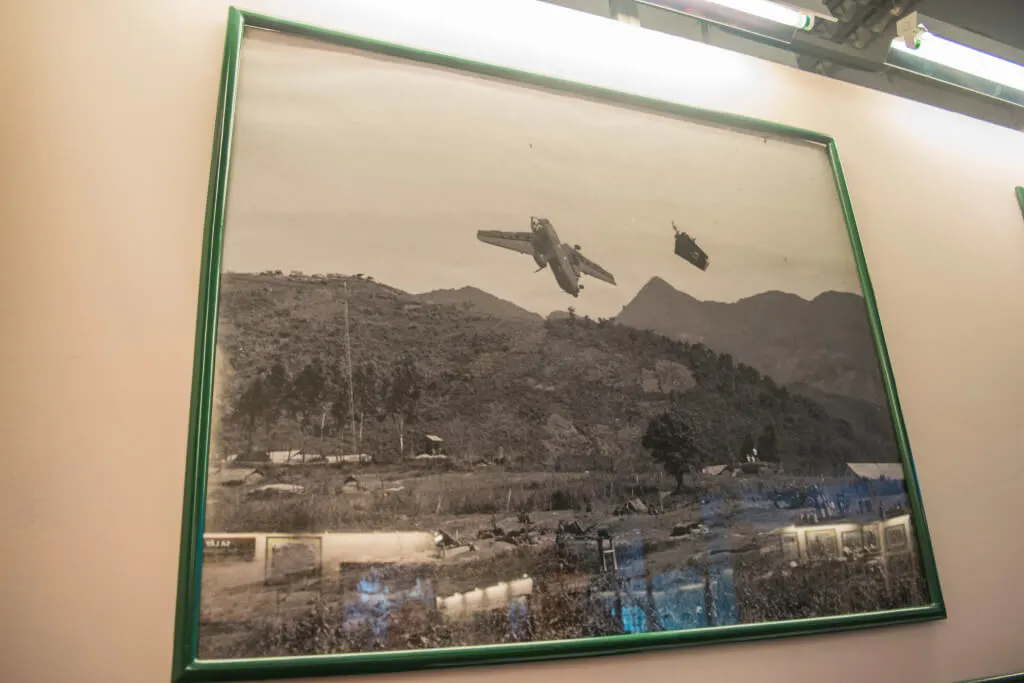
I think learning about the war is an important part of visiting Vietnam, although these aren’t necessarily museums you’ll leave feeling ready to cheerfully continue sightseeing. Some exhibits are graphic, and having a father who served here made certain parts especially difficult for me.
At Hỏa Lò Prison in Hanoi, I found myself questioning the presentation of American prisoners’ experiences after discussing the exhibits with my dad. At the War Remnants Museum in Ho Chi Minh City, the photography particularly affected me, including an image of the type of aircraft he flew.
Expect a perspective that may differ considerably from what you learned at home, including wartime propaganda and strong political framing. Give yourself space to absorb it, read beyond individual displays, and hear Vietnamese experiences too.
I wrote about traveling Vietnam as an American veteran’s daughter in a three-part series because there was far too much to fit into a few paragraphs.



4. Check the Weather for Each Part of Your Route
Vietnam doesn’t have one convenient weather forecast that applies everywhere. You can be packing for warm coastal afternoons and still need layers farther north.
Broadly speaking:
- Northern Vietnam: Winters can be chilly, especially in the mountains; summers tend to be hot, humid, and wet.
- Central Vietnam: Places such as Huế and Hội An can have heavy rain and flooding later in the year, when other regions are becoming drier.
- Southern Vietnam: Generally hot throughout the year, with a wetter period roughly from May to November.
Use Vietnam Tourism’s regional weather guide when planning, then check local forecasts closer to your trip.
5. Pack for a Biblical Rainstorm
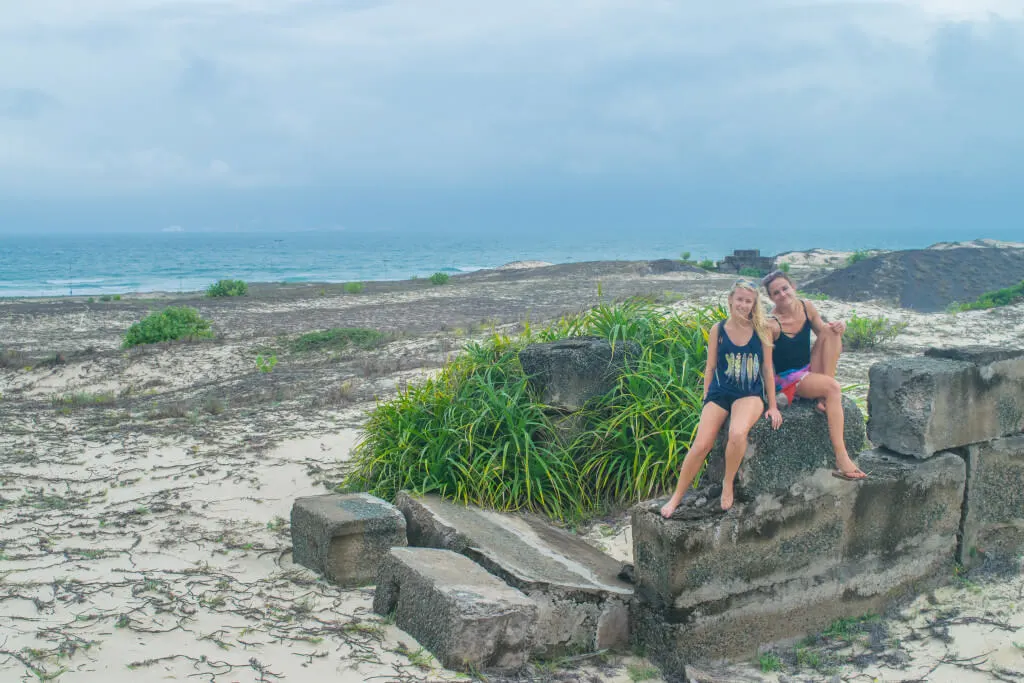
While exploring around Cam Ranh, we got suddenly caught in what my friends and I still refer to as a biblical rainstorm. You know the kind. Rain was hitting us sideways like little pebbles while we were on scooters zooming toward the nearest building, and we arrived at shelter absolutely drenched.
Bring rain protection that actually covers you and a waterproof bag or cover for electronics (We learned that the hard way). While a small umbrella is lovely for wandering between cafés; it would have done precisely nothing for us that afternoon, lol.
Add a warmer layer if your route or season calls for it, rather than packing exclusively for the tropical holiday you’ve imagined.

6. Check If You’re Traveling During Tết
Tết, Vietnamese Lunar New Year, is a major family holiday, so transport can book up, and businesses may close or operate different hours. Check the dates for your travel year and arrange important journeys ahead of time.
I’ve accidentally arrived in places during holidays before and kicked myself for not doing this basic bit of research. Being flexible is great, but it’s not so much fun when there are no rooms and tickets left to choose from.
You can still enjoy traveling during Tết, it can be an amazing experience – just don’t expect everything to run like an ordinary week. Lonely Planet’s Vietnam planning tips also flag booking ahead around the holiday.
7. Get Connected Before You Need to Find Your Hotel
Having mobile data makes it easier to find your accommodation, translate a menu, and book a ride without hunting for Wi-Fi first. Download maps and save your hotel address anyway, because arriving tired is generally when technology decides to become unhelpful.
You can compare a local SIM with an eSIM, checking that your phone is unlocked and supports whichever option you choose. My guide to the best travel eSIMs explains what to look for, including data allowances and coverage.

8. Carry Some Cash and Count Those Zeros
Vietnamese đồng takes a little getting used to, especially when you’re handing over notes with enough zeros to make a small lunch look like a major investment. Check the denomination and your change rather than identifying a note by its color alone. I’d keep a backup card separately, and have a currency exchange app on hand unless you happen to be a prodigy at math.
Try to carry smaller notes for everyday purchases (it’s hard but keep it in mind), and ask about card payment before ordering if you’re short on cash. Cards are useful at many hotels and larger businesses, but cash remains handy for small purchases to this day.
9. Agree on Prices Before You Agree to Anything Else
Before taking an unmetered ride or accepting a service in Vietnam, confirm the total price and what it covers. For tours, check transport, entrance fees, meals, and any activities that cost extra.
At markets, ask a few prices before bargaining, and only start negotiating if you’re actually interested. There’s no need to turn buying a souvenir into a competitive sport over an amount you’d lose between the sofa cushions at home. But that being said, haggling is part of the culture and many places start a lot higher than they’d be willing to accept.
Oh ,and if you want to leave a tip, check whether a service charge is already included.

10. Use Transport Apps and Check the Booking
Apps such as Grab and Green SM (electric taxi service) can simplify city journeys by giving you a booking to check against the vehicle that arrives, which I always prefer to hailing taxis and not knowing how much they should cost. Keep the journey in the app and match the driver and number plate before getting in – you know, just normal travel precautions.
Someone approaching you and saying “Grab?” is not the same as your booked driver arriving (and this rings true in most of Southeast Asia, haha). At airports, follow the pickup instructions or arrange a transfer through your accommodation. These are among the transport precautions in the FCDO’s Vietnam travel guidance.
11. Check What Time Your Overnight Bus Actually Arrives
Our night bus to Phong Nha arrived at 4 a.m. Reception at our hostel opened at 8. My friend and I ended up sleeping on the pool table until a friend who was already staying there found us. Very glamorous, very backpacker, surprisingly little back support.
Before booking an overnight journey, ask your accommodation about early arrival and room access. You may need to reserve the previous night and tell them when you’ll arrive.
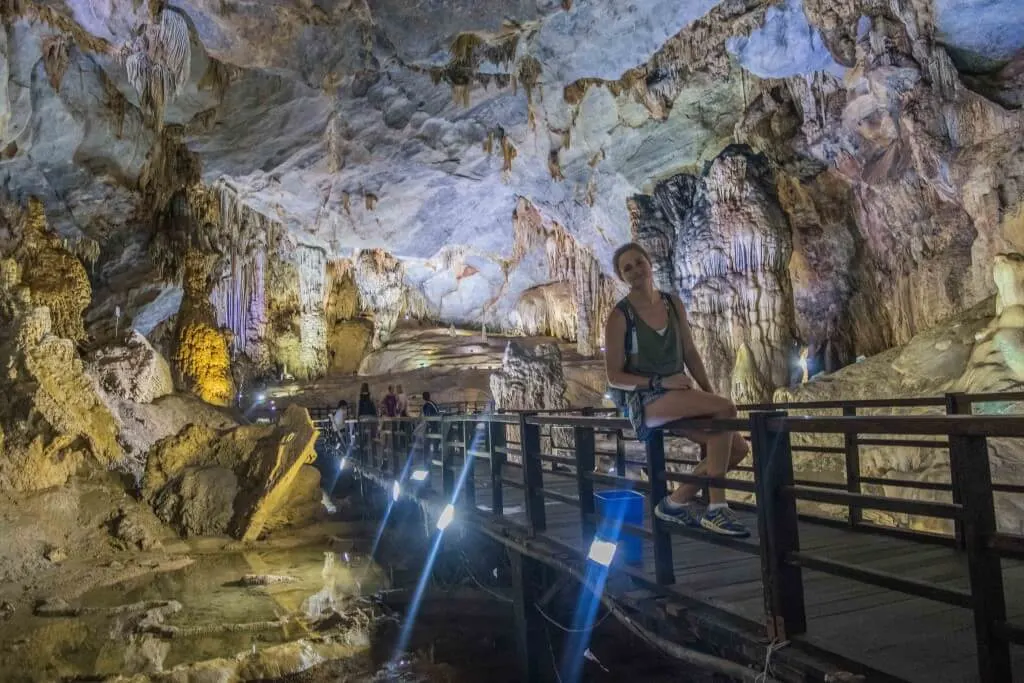
We still made it out exploring the Phong Nha caves that morning, although I’d recommend beginning an adventure day with slightly more sleep.

12. Compare the Whole Journey, Not Just the Ticket
When comparing a bus, train, or flight, put the departure and arrival locations into your map and check the transfers at both ends. Add baggage charges where relevant, and look at when you’ll actually reach your accommodation.
A cheap ticket can be less appealing if it leaves you far outside town before sunrise. Equally, a short flight still involves getting to the airport, checking in, and traveling onward afterward. These mightb e basic travel tips, but they make even more sense in Vietnam.
We used plenty of overnight buses to fit our route into two weeks, but I wouldn’t plan every day on the assumption that you’ll sleep brilliantly on any one of them.
13. Take Your Time Crossing the Road
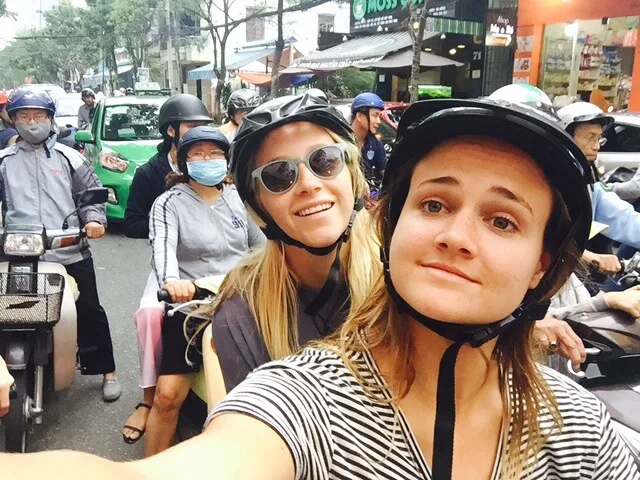
The traffic in Vietnam is notorious, and it can be a LOT to take in… especially when you’re standing on the pavement trying to work out how anyone ever reaches the other side. Walk and pray, baby!
Use crossings and signals where available, wait for a suitable gap, and keep watching approaching traffic. Avoid darting out or changing direction unpredictably, but don’t interpret the usual “walk steadily” advice as permission to step in front of moving vehicles (although if you move slowly and steadily, they tend to flow around you like a river. Don’t stop).

14. Be Honest About Your Scooter Skills
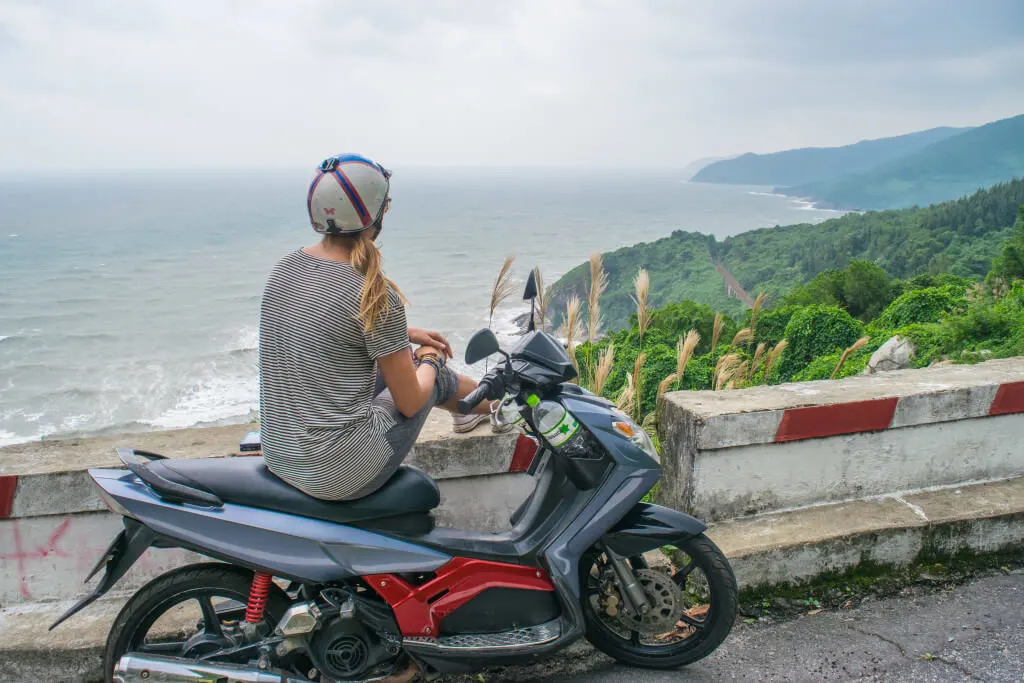
I loved exploring around Da Nang and the Hai Van Pass, where we kept stopping because the coastal views reminded us of Big Sur. I also had a scooter break down on the return from Cam Ranh toward Nha Trang, so my memories from that scooter adventure aren’t exclusively scenic. But as a whole, renting a scooter in Vietnam is amazing if you are confident.
Before renting, check which license and permit Vietnam recognizes for your situation, plus insurance coverage for the bike and activity. Someone agreeing to rent you a scooter doesn’t necessarily establish any of that.
Wear a proper helmet (!!!), and choose another way to travel if you’re inexperienced or conditions are poor. You can enjoy the scenery with a driver too, which is a completely good option as well.

15. Eat the Regional Food, Too
Phở and bánh mì deserve plenty of your attention, but leave room for dishes associated with the places you’re visiting. Look for mì Quảng around Da Nang and Hoi An, and cao lầu in Hoi An; Vietnam Tourism’s noodle guide is fun and useful for decoding a few options.
Our hostel in Da Nang gave us recommendations for local food spots, which helped enormously when there were tempting little restaurants everywhere.
Ask what a place specializes in rather than automatically ordering the only dish you recognize. But – necessary Vietnam travel tips here – if you have dietary restrictions, check ingredients rather than relying on the dish’s name.
16. Leave Time for Coffee and Cute Cafés
I have always been VERY enthusiastic about Vietnamese coffee while there, and I love how many tours offer it as an option in the included lunches. In Vietnam, there is apparently always time for another coffee, even when there isn’t time for another night in a destination.
Leave a little space for cafés between activities instead of treating every stop as a takeaway situation. Da Nang was one place where I loved having cafés and city exploring alongside beaches and mountains, and the cafe scene in both Hoi and And HCMC is epic, too.
If cooler weather and café time sound appealing, our Da Lat itinerary and café guide might help you decide if it deserves a place on your route.
17. Don’t Drink the Tap Water, but Do Enjoy the Street Food
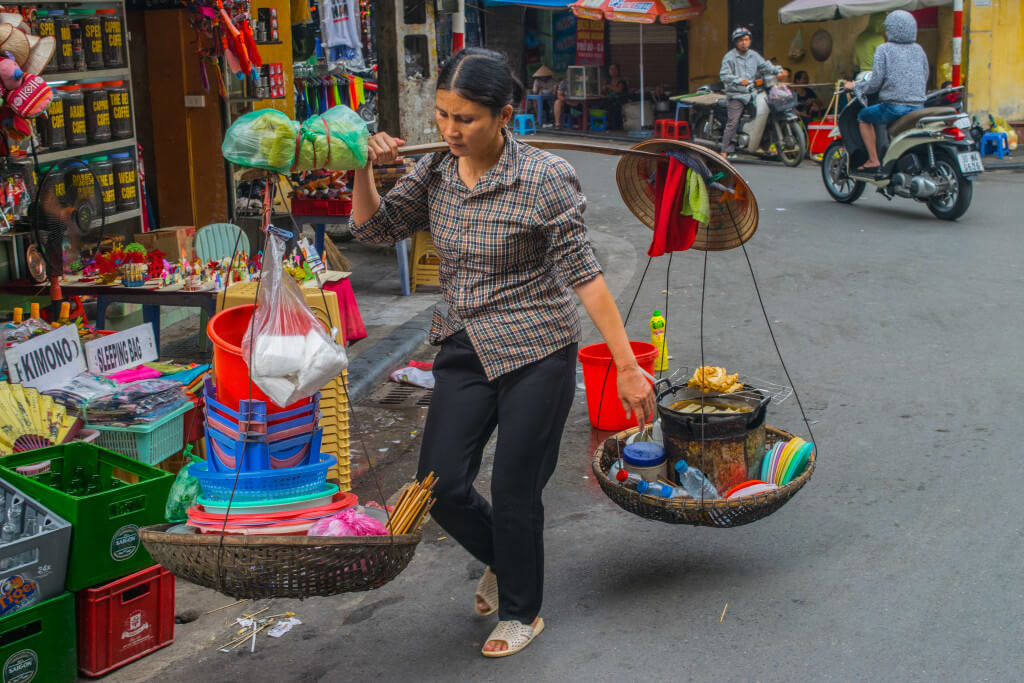
Food is such a big part of traveling Vietnam that I would hate to spend the whole trip worrying about every meal. I would, however, be a little choosy about where I ate, especially with a long bus journey coming up (we’ve already established that those have enough going on).
Somewhere you can watch your food being cooked is a good starting point, and your hostel or guesthouse can help you find places beyond whichever restaurant has the biggest English menu. If you’re unsure what something is, ask! You can be adventurous without feeling obliged to finish a meal you’re uncomfortable with. I definitely gave a couple of less trustworthy meals to street animals and bought another one.
Tap water isn’t for drinking, so stick with bottled or properly treated water of course, and check the water source if you’re unsure about ice. The CDC’s Vietnam health guidance has the more detailed food and water advice if you need it, and it’s good to read anyways.
18. Bring Mosquito Protection
Mosquitoes are one part of tropical travel I have absolutely no romantic feelings about. This might be one of the most essential Vietnam travel tips. Bring repellent somewhere you can actually reach it, rather than buried underneath everything you own while you’re already out exploring.
The less obvious thing is that mosquito protection matters during the day and in cities too, because dengue-carrying mosquitoes don’t reserve their activities for sunset in the jungle. That café afternoon still counts as being outside! Just… have it on you. Trust me.
19. Keep Your Phone and Bag Away From Passing Traffic
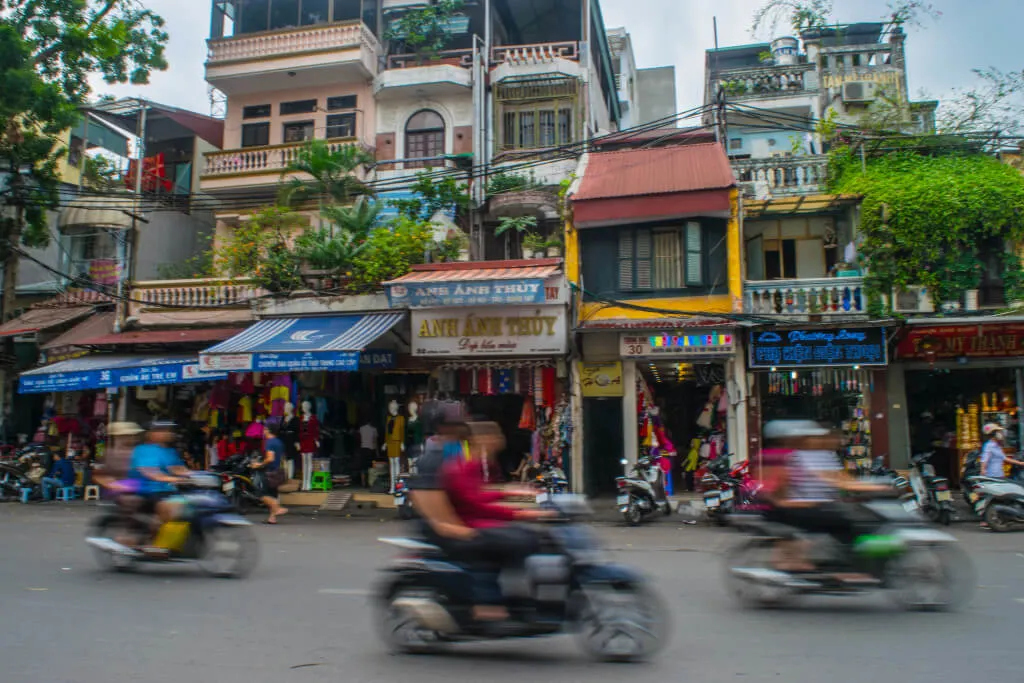
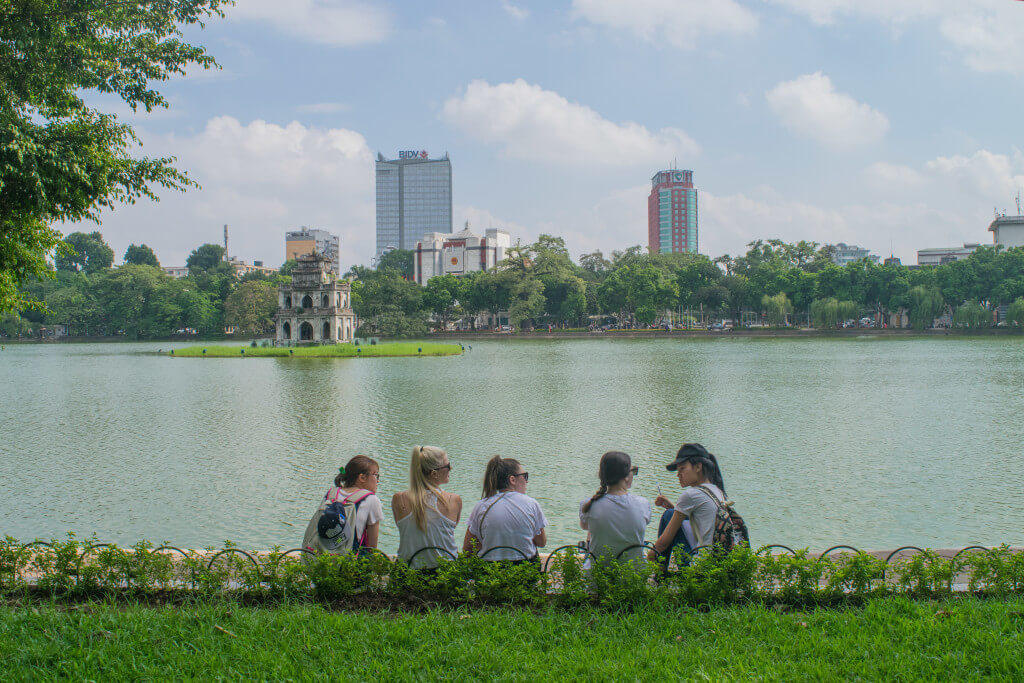
Motorbike phone and bag snatching happens in Vietnam, so step back from the road when checking directions or taking photos. I loved photographing the busy streets, but having your phone out right next to passing traffic is an unnecessary opportunity for someone.
Keep your bag on the side away from the road, and your valuables close on overnight buses. Just normal travel precautions, but worth remembering when you’re tired and distracted trying to figure out where you’re going.
20. Pack Clothes You Can Wear Into Temples
Pack something that covers your shoulders and knees for visiting temples and religious sites in Vietnam. Light, loose clothes are useful for this, so you can cover up without being absolutely boiling while exploring.
This applies to places like the Marble Mountains too, where there are shrines and pagodas among the caves. I LOVED exploring there and would allow plenty of time – plus wear comfortable shoes for the stairs. Check the signs at each site for any specific clothing or shoe-removal rules, becasue sometimes you do have to take them off.


21. Learn a Little Vietnamese, Even If You Need Your Phone for the Rest
You don’t need to become fluent before your flight, but I think learning how to say hello and thank you is a good place to start wherever you travel. In Vietnamese, those are xin chào and cảm ơn – listen to the pronunciation as well, because reading the words in your own accent might not get you quite where you intended 😛
Save your accommodation’s name and address in Vietnamese for when you need directions, and let a translation app help with the more ambitious conversations. Especially anything involving food ingredients, where enthusiastic pointing can only tell you so much!
And if you’re taking photos of people, have a little interaction and ask first. I love capturing everyday scenes, but someone selling their lunch or sitting outside their home hasn’t necessarily volunteered to be the subject of our travel photography. I usuallly get someone’s attention and point at my camera to make sure I have their consent.

22. Give Da Nang a Proper Chance
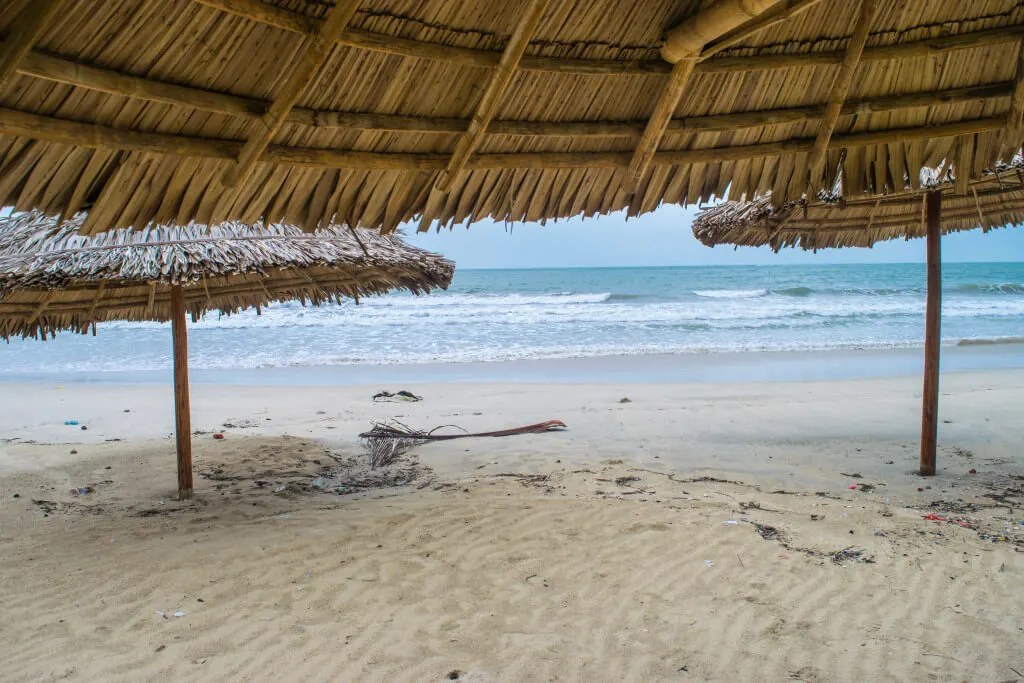
On my first backpacking trip, people kept telling us to skip Da Nang, which confused me even more once we got there. There were beaches right by the city, mountains to explore, bridges lighting up at night, and plenty of cafés and food spots – what exactly were we supposed to dislike?!
I had wanted to visit because my dad was based there during the war, but I would have enjoyed it without that connection too. Being able to spend part of the day exploring a city and then head out toward the coast or mountains is pretty much my ideal setup.
Things seem to have changed since those hostel conversations, with Da Nang attracting digital nomads and even hosting events aimed at that community. The city tourism board’s Vietnam Nomad Fest announcement definitely caught my attention, and I’d love to go back and spend longer there.
My guide to things to do in Da Nang will give you a better idea of why I was so glad we ignored that advice.
23. Make Time for Your Own Reasons to Visit
My dad’s stories took us to places I probably wouldn’t have thought about otherwise, particularly around Da Nang and Cam Ranh. I sent him photos of what we found, and having him recognize parts of his old air base made the whole experience feel much more real than simply looking at a place on a map.
I wrote more about finding places connected to my dad’s time in Vietnam, which remains one of the most meaningful parts of that trip for me. It also happened to involve the biblical rainstorm and scooter trouble, because apparently we couldn’t have a moving family-history experience without a few logistical problems thrown in.
You don’t need a family connection to make room for something you’re particularly curious about. We made time for caving because we REALLY wanted to do it, and went to Da Nang despite everyone’s opinions; I’m glad those decisions weren’t left entirely to whatever route was being sold at the hostel.
If you’re planning your first trip, start with the visa and the route, then give yourself enough time to enjoy what you’ve come for. And please check that your accommodation will let you in when your bus arrives – I have already tested the pool-table option for you.
That;s it for my top Vietnam travel tips – hope you have gotten some useful information!

Passionate, full-time travel blogger with over 230k on social media and 150kMPV blog. Extraordinary photographer with two DSLR's + a drone with a love for capturing candid moments, epic drone shots, and magical compositions. I'm a natural-born content creator originally from California, but I've been on the road for 9 years living, working, traveling, blogging, and photographing my way around the world. I recommend the most amazingly adventurous and unique + boutique travel experiences/stays and helpful products to my audience and write comprehensive guides on my website that have helped millions of travelers so far. I love to inspire people to plan their dream trips, and many readers have given feedback as such. The reach on my platforms continues to soar, especially when combining cutting-edge social content with optimized articles on my high-authority website.